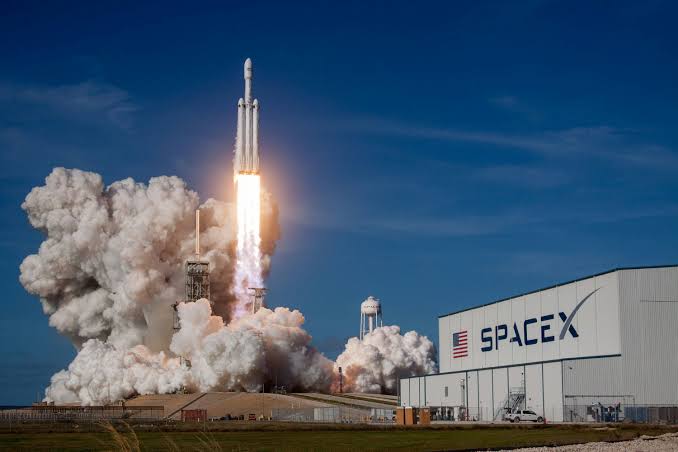
SpaceX is preparing to take Starship into a new phase of testing as Flight 14 is scheduled to attempt the spacecraft’s first orbital mission on Monday, marking a major step beyond the rocket’s previous test flights.
The launch window is set to open at 8:15 a.m. ET from SpaceX’s Starbase facility in Texas and will remain open for 75 minutes. If the mission proceeds as planned, Starship is expected to remain in space for nearly 10 hours, completing about six trips around Earth before making a controlled splashdown in the Pacific Ocean west of Chile.
Unlike Starship’s first 13 test flights, which were conducted along suborbital paths, Flight 14 is designed to demonstrate the vehicle’s ability to enter and operate in orbit before returning to Earth.
Starlink deployment adds commercial focus
The mission is also expected to serve as a major test of Starship’s potential as a high-capacity commercial launch vehicle.
SpaceX plans to release 26 Starlink V3 satellites during the flight. The satellites are designed to significantly increase the capacity of the company’s Starlink broadband network, with each spacecraft expected to contribute about 1 terabit per second of capacity.
If all 26 satellites are successfully deployed, the mission could add approximately 26 Tbps of capacity to Starlink. SpaceX says that would represent about 10 times the capacity of a typical Falcon 9 launch carrying its smaller V2 Mini satellites.
The planned deployment illustrates the role SpaceX envisions for Starship in future satellite launches. Its much larger payload capacity could allow the company to send bigger groups of more capable spacecraft into orbit, potentially lowering the cost of deploying Starlink satellites as the system expands.
NASA’s lunar ambitions add significance
Flight 14 also comes as SpaceX continues developing Starship technology for NASA’s Artemis program.
NASA intends to conduct an in-space demonstration of a version of SpaceX’s Starship Human Landing System during the Artemis III mission in 2027. The test is expected to focus on rendezvous and docking operations in Earth orbit, providing experience relevant to NASA’s longer-term plans for crewed lunar missions.
NASA currently plans to use Artemis IV for a subsequent return of astronauts to the lunar surface in 2028.
Flight comes amid volatile SpaceX share performance
The Starship test is also taking place as SpaceX shares have experienced considerable movement since the company’s public debut in June.
Shares closed their first trading session on June 12 at $160.95, then climbed to $211.39 on June 16. The gains subsequently faded, with the stock falling toward the $150 level by late June and early July.
Trading later remained below those initial post-IPO highs, with shares spending much of August and September in a range of approximately $140 to $155.
Against that backdrop, Flight 14 represents a significant test not only of Starship’s technical progress but also of SpaceX’s plans to use the vehicle as the foundation for a larger-scale satellite deployment operation and future human-spaceflight missions.