The Director-General of the Nigeria Centre for Disease Control and Prevention, Jide Idris, has clarified that the ₦10 billion approved by President Bola Tinubu for Ebola preparedness was also intended to strengthen Nigeria’s capacity to manage other endemic diseases, including Lassa fever.
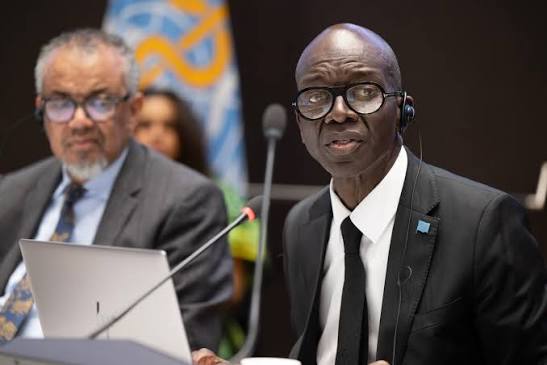
Idris made the clarification on Monday night during an appearance on Channels Television’s Politics Today, where he addressed the country’s preparedness for Ebola and measures being implemented to contain the disease. He explained that the intervention was part of a broader public health strategy rather than funding dedicated solely to Ebola.
According to the NCDC chief, the allocation was designed to improve Nigeria’s readiness to respond to multiple disease threats, particularly with the approaching Lassa fever season. He noted that several infectious diseases require similar public health interventions, including effective diagnostic systems, screening, surveillance and monitoring at the country’s points of entry.
Explaining the rationale behind the funding, Idris said the allocation was initially requested to support disease control measures beyond Ebola, stressing that strengthening these systems would also benefit the country’s response to other public health emergencies.
“The money is good for people to understand why. This money was requested not only for Ebola, but to address issues of control of other endemic diseases. Right now, Lassa fever season is coming.
“Lassa fever and Ebola are the same class of viruses, just like ongoing fever and dengue fever. We have all this ongoing in this country. And many of the surveillance measures are the same.
“Leadership, diagnostics, screening, surveillance issues, point of entry- all those funny things. They are the same thing. And that was the request initially.
“And the president graciously approved it then.”
The NCDC director-general also rejected allegations that the Ebola situation was being exploited for political purposes, maintaining that public health concerns should remain separate from partisan interests. His remarks came amid questions over claims that the ruling All Progressives Congress (APC) was using the disease situation as a political strategy.
Idris insisted that health officials had no intention of turning disease outbreaks into political instruments. He also distanced himself from decisions concerning the postponement of elections, stressing that such matters did not fall within his authority.
“That is totally false. We in the health sector will not use disease issues as a political weapon. And there will not be any postponement of the election on the case of Ebola? That’s not my decision,” Idris said.
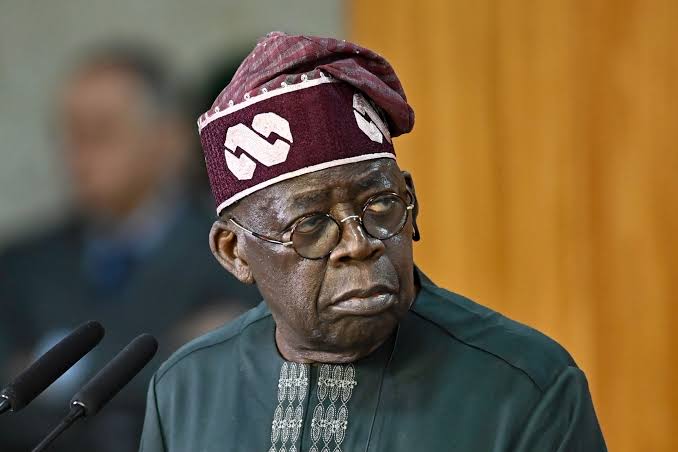
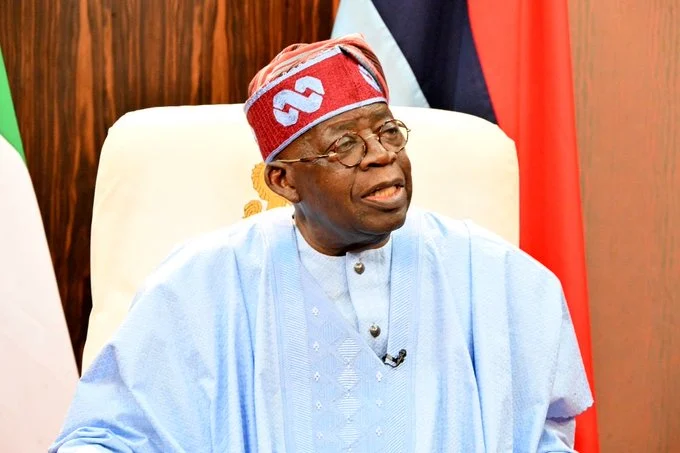
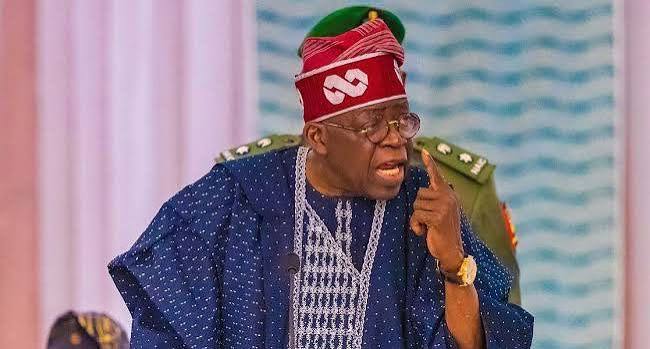
In May, President Tinubu approved the creation of a Presidential Task Force on Ebola Virus Disease Preparedness and Emerging Public Health Threats as part of efforts to strengthen the country’s ability to respond to potential outbreaks and other health emergencies.
As part of the initiative, the President directed the immediate release of ₦10 billion in emergency funding to improve Nigeria’s preparedness and response capacity for Ebola and other public health threats. The allocation has since triggered political debate, with opposition figures calling on the Federal Government to provide a detailed account of the funds.
Former Vice-President Atiku Abubakar questioned the handling of the intervention money following claims that the allocation remained unused. He urged the Federal Government to disclose the status of the funds and explain how the money had been managed.
Atiku also called for greater accountability, arguing that Nigerians should be informed about the availability, management and intended deployment of the emergency allocation.
In response, the APC Presidential Campaign Council maintained that the ₦10 billion approved for Ebola preparedness had not been spent, rejecting suggestions that the funds had been utilised. The council said the NCDC, the Federal Airports Authority of Nigeria (FAAN) and other agencies responsible for disease surveillance had continued their operations using existing resources.
The differing positions have heightened public scrutiny of the intervention fund, with questions persisting over whether the money remains intact, how it is being managed and when it will be deployed. The debate has also renewed calls for the Federal Government to clarify the scope of the allocation and explain how it will support Nigeria’s preparedness for Ebola, Lassa fever and other infectious disease threats.