The Nigeria Customs Service has approved the release of the first 98 containers of electricity transmission equipment that had been stranded at Nigerian ports for nearly 20 years, following a directive from President Bola Tinubu.
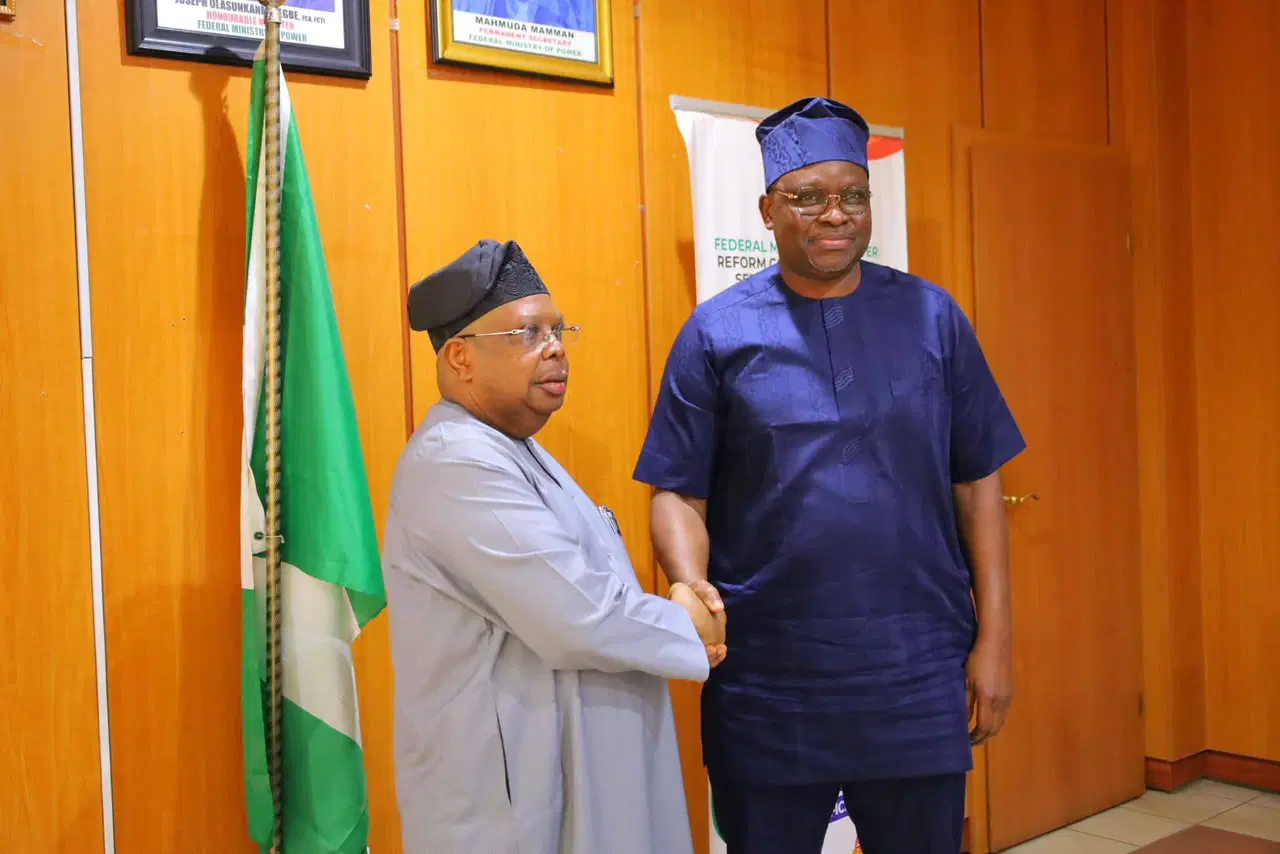
The Minister of Power, Joseph Tegbe, announced the development in a post on his X handle on Friday, revealing that the equipment was originally bought to expand the national grid, relieve overloaded substations and bring more reliable electricity to Nigerians.
“For nearly 20 years, over 300 containers of transmission equipment sat stranded at our ports,” Tegbe wrote. “Yesterday, the Nigeria Customs Service approved the release of the first 98. Our engineers will now verify the equipment, test it and deploy it where it is needed most.”
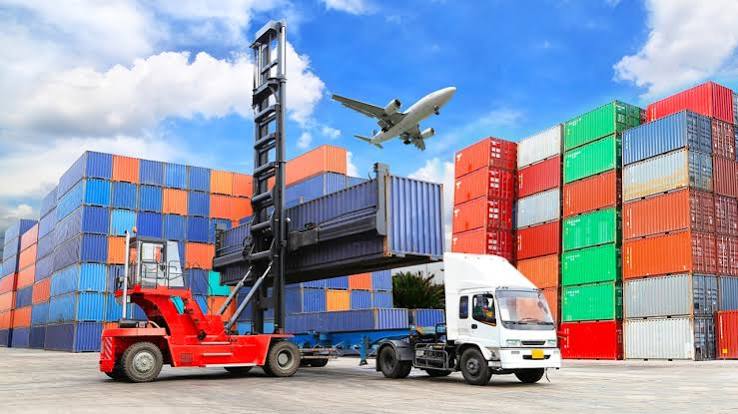
The clearance exercise began on Friday at the ENL Terminal, Apapa Port, Lagos, with the release of the first 44 containers. Another 54 containers at APMT and Sun & Moon Terminals were also released, bringing the total to 98 .
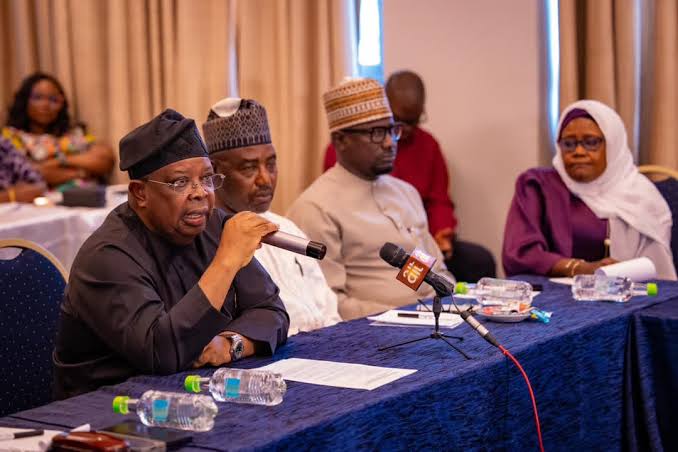
The Comptroller-General of Customs, Adewale Adeniyi, said the release followed a presentation by the Minister of Power to the Federal Executive Council, after which President Tinubu directed the immediate clearance of the equipment and instructed relevant agencies to resolve all outstanding charges and administrative bottlenecks .
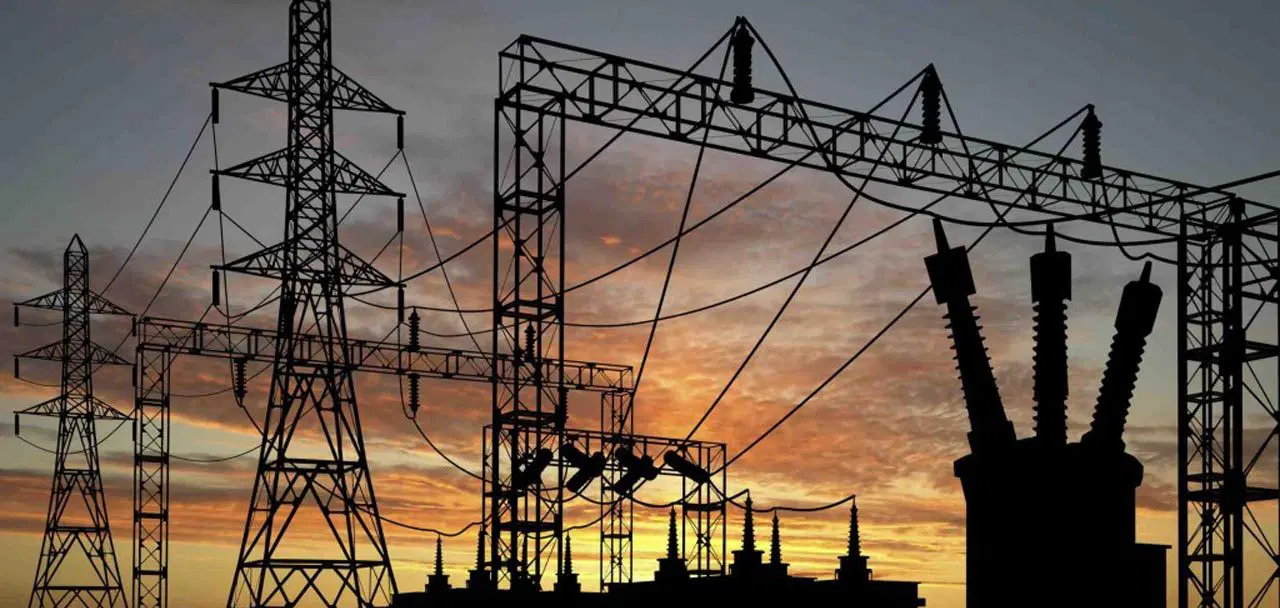
The consignments contained high-capacity transformers, cables, switchgear and other transmission equipment imported for the Federal Ministry of Power and agencies including the Transmission Company of Nigeria and the Niger Delta Power Holding Company .
The equipment had remained at the ports for between 14 and 20 years, with some containers stranded since the 2006–2012 period, spanning the administrations of Presidents Olusegun Obasanjo, Umaru Musa Yar’Adua, Goodluck Jonathan and Muhammadu Buhari .
The prolonged delay meant that substations such as Katampe and Ikeja West were completed but never energised, while existing substations continued to carry loads that new facilities were meant to share .
Tegbe said the consequences were visible: “Essential equipment remained unaccounted for. Secondly, existing substations continue to carry loads that new facilities were intended to share, placing pressure on the system and limiting operational flexibility and efficiency” .
Customs had introduced priority processing, dedicated officers for joint examinations, and approved waivers on accumulated charges to fast-track the evacuation. The Minister of Finance, Taiwo Oyedele, approved waivers on administrative charges, while the Minister of Marine and Blue Economy, Adegboyega Oyetola, facilitated waivers on demurrage through engagements with terminal operators.
Adeniyi condemned what he described as a disturbing pattern of contractors importing equipment for government projects but abandoning the consignments at the ports without executing the projects.
“Contractors who have been awarded government projects, paid for them, and fail to deliver while abandoning equipment at the ports should therefore be exposed for their illegality as economic saboteurs,” he said.
He warned that the Customs Service would work with supervising ministries to identify such contractors and ensure they were held accountable.
Tegbe said engineers from the TCN would verify, test and deploy the equipment to project sites. Some of the equipment is being moved to Kaduna, Lafia and Akwanga in Nasarawa State, as well as Ilaro in Osun State and Cross River State, to support ongoing transmission projects .
“Some of the equipment is fairly new. Some are being deployed to Kaduna, Lafia, Kwale and many other locations,” he said .
The minister said the deployment would complete stalled projects, ease pressure on overloaded substations and strengthen the grid.
Tegbe expressed gratitude to President Tinubu for approving the release, as well as the Comptroller-General and officers of the Nigeria Customs Service, the Minister of Finance, the Minister of Marine and Blue Economy, the Nigerian Ports Authority, terminal operators and the TCN team for their support.
The government is targeting the evacuation of the remaining 200-plus containers within one month .
“A stronger grid, one step at a time,” Tegbe wrote.