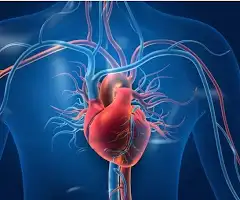
Scientists have identified a possible reason cancer rarely develops or spreads to the heart, suggesting that the organ’s constant pumping action may help prevent malignant cells from forming tumours.
A new study has found that the mechanical forces generated by the heart’s continuous contraction and relaxation can suppress cancer cell growth by triggering molecular changes that interfere with tumour development.
The findings, published in the journal Science, offer a potential explanation for the heart’s unusual resistance to cancer and could open new research directions for developing treatments that use mechanical stimulation to restrict tumour growth.
Cancer cells commonly spread through the bloodstream, making the heart, which receives a continuous supply of blood, a potential destination for metastatic disease. Yet cancer affecting the heart remains exceptionally rare, with primary cardiac tumours identified in fewer than one per cent of autopsies.
Researchers have long struggled to explain this phenomenon.
“It’s interesting that [cancer] doesn’t occur that often in the heart,” Michael Fradley, a professor of clinical medicine at the University of Pennsylvania who was not involved with the study, told STAT. “People have not really been sure exactly why, but it’s just something that we accepted. What makes this article really fascinating is that they have provided a potential mechanism to explain this phenomenon.”
The research, led by Giulio Ciucci and Serena Zacchigna at the International Centre for Genetic Engineering and Biotechnology in Trieste, Italy, investigated whether the heart’s physical activity could account for its resistance to cancer.
The researchers began with the observation that most heart muscle cells lose much of their ability to divide shortly after birth. They questioned whether the biological conditions that prevent adult heart cells from multiplying could also make the organ less favourable for cancer development.
Experiments involving genetically modified mice provided an initial clue. Although cancer-promoting mutations triggered tumour formation in several organs, including the liver and skeletal muscles, the animals’ hearts remained free of cancer.
To investigate further, the scientists transplanted additional hearts into the necks of mice. The transplanted organs remained alive and received blood but did not perform the normal pumping function of the animals’ original hearts.
When cancer cells were introduced into both organs, they multiplied rapidly in the transplanted hearts. However, their growth was significantly restricted in the animals’ naturally beating hearts.
Similar results emerged from experiments using laboratory-grown cardiac tissues. Cancer cells from lung, colon and melanoma tumours grew more readily when the tissues were not subjected to normal mechanical forces.
The researchers subsequently identified a protein called Nesprin-2 as a key component of the process.
Nesprin-2 helps connect a cell’s internal structures to its nucleus, allowing mechanical signals such as pressure and stretching to influence cellular activity and gene regulation.
According to the researchers, the physical forces generated by the heartbeat increased Nesprin-2 activity in cancer cells, triggering changes that restricted their ability to multiply.
To confirm the protein’s role, the team suppressed Nesprin-2 in lung cancer cells before introducing them into mouse hearts.
The cancer cells subsequently regained their ability to grow, forming large tumours even in actively beating hearts.
The findings indicate that the heart’s resistance to cancer may not be explained solely by its immune or metabolic environment. Its continuous mechanical activity could also activate molecular processes that prevent malignant cells from expanding.
“Our findings show that the heart’s pulsation is not merely a physiological function but may act as a natural suppressor of tumor growth,” Zacchigna said in a statement. “This suggests that the cardiac environment is unfavorable to cancer cells not only for immunological or metabolic reasons, but also because its continuous mechanical activity physically constrains their expansion.”
Potential implications for cancer treatment
Beyond explaining why the heart rarely develops cancer, the findings have raised the possibility that mechanical stimulation could eventually be explored as a treatment strategy.
Zacchigna’s team is collaborating with engineers to develop devices that can deliver rhythmic pressure to tumours located close to the skin, including certain breast and skin cancers.
The proposed approach seeks to reproduce some of the physical forces generated by the heartbeat to determine whether they can restrict tumour growth or improve the delivery of existing cancer treatments.
“We have the first prototypes, and results are promising,” Zacchigna told STAT. “Other than adding this mechanical stimulus, it is a way to perform a kind of massage the tumor that could improve the delivery of any chemo or immunotherapy.”
However, researchers stressed that the approach remains experimental and requires further investigation before it can be considered a viable cancer treatment.
Important questions remain about the types of tumours that might respond, the appropriate pressure levels and frequency of stimulation, and whether the technique could produce unintended effects.
The study was conducted primarily using mice and engineered tissues, meaning further research will be necessary to establish whether the findings can be replicated in humans.
Nevertheless, the discovery provides fresh insight into how the physical environment within the body can influence cancer development, suggesting that the heart’s rhythmic movements may serve a protective function beyond pumping blood.