President Bola Ahmed Tinubu has acknowledged that growing economic challenges and frustration among young Nigerians could threaten his chances of remaining in office if his administration fails to deliver meaningful improvements.
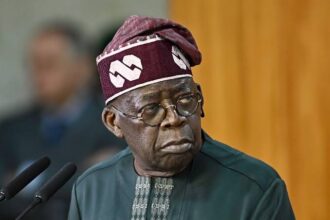
Speaking on Thursday at the Africa CEO Forum, the President admitted that many young people in the country are becoming increasingly impatient with the current economic situation. He noted that the youthful population is demanding results and unwilling to tolerate excuses from leaders.
“We have a very dynamic youthful population, restless and not ready to accept any excuses. As a politician, if I don’t prepare them for that, they will vote me out,” the President said.
Tinubu also used the occasion to discuss Nigeria’s economic reforms and efforts to improve the investment climate. He pointed to achievements recorded during his tenure as governor of Lagos State, particularly in the area of tax administration and economic growth.
“Lagos is the fifth-largest economy in Africa. I’m very proud of the legacy I left behind there, and I’m still monitoring it,” he stated.
The President further stressed the importance of removing bureaucratic bottlenecks to encourage foreign investors and boost confidence in Nigeria’s economy. According to him, the country has already begun attracting substantial foreign direct investments this year.
“This year alone, I can beat my chest that Nigeria is attracting close to $20 billion in foreign direct investments,” he said.
Tinubu maintained that transparency, accountability, and good governance remain key factors in attracting investors to African economies. He urged African nations to work together and maximise their collective resources in negotiations on the global stage.
“Investment is very cowardly unless you are transparent, accountable and forthright. Part of that is Africa looking at itself, putting our resources together so we can go out there and negotiate for ourselves,” he added.
The President also revealed that he recently authored an article in the Financial Times in which he addressed issues surrounding international rating agencies.