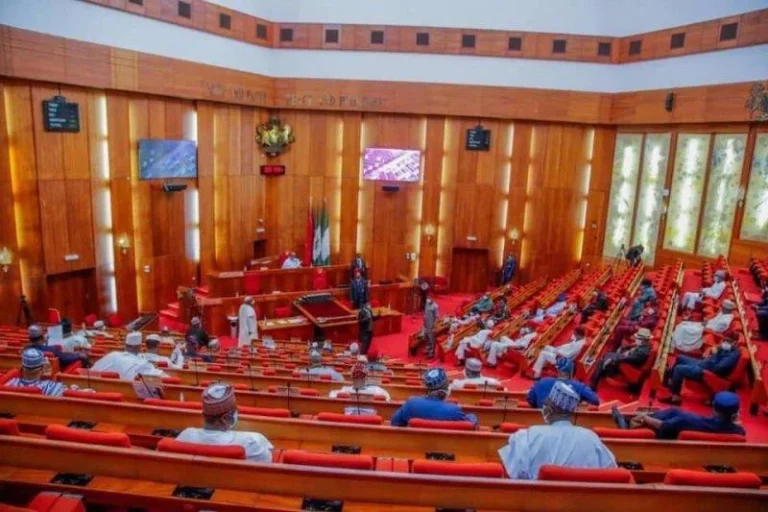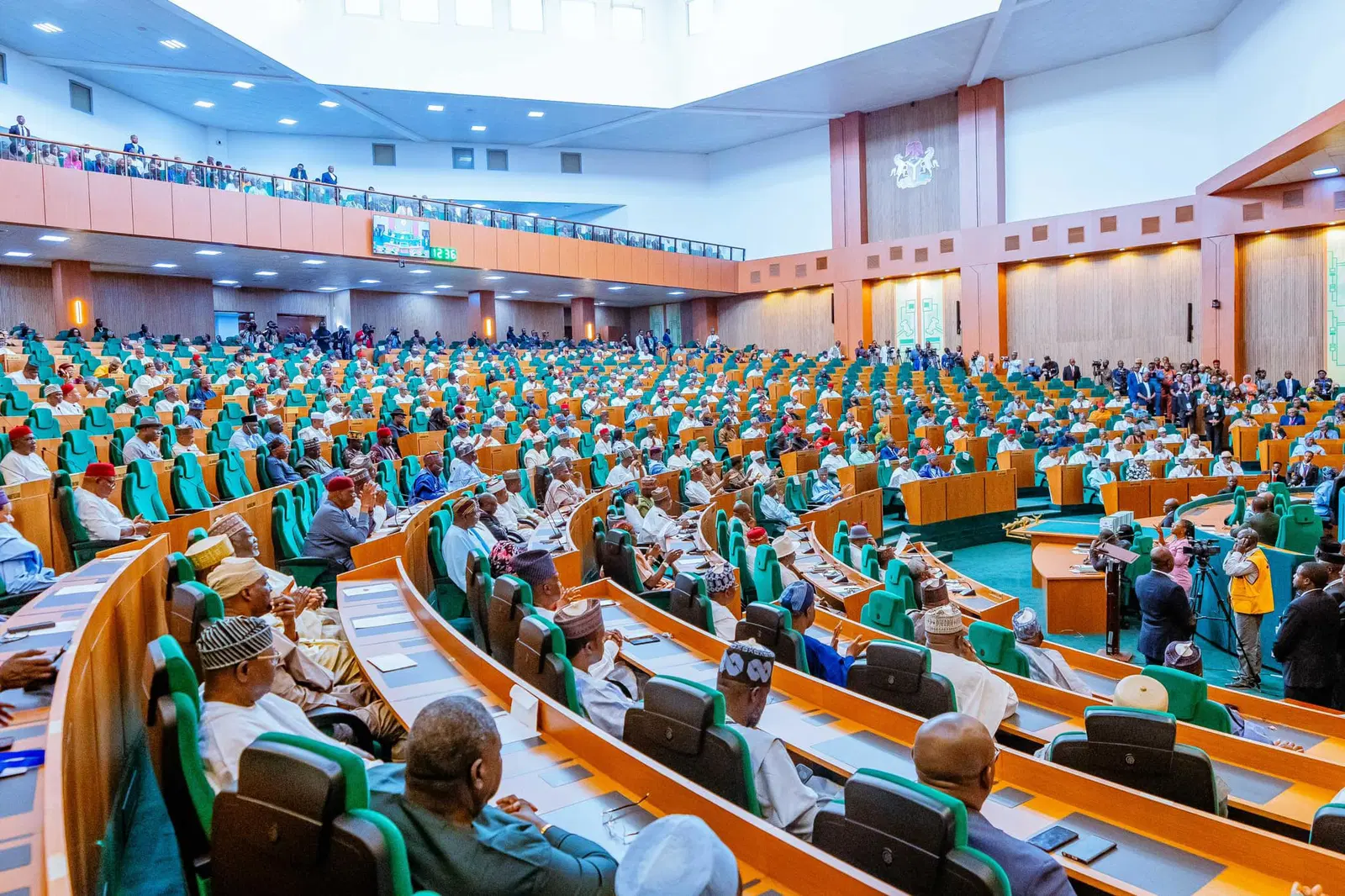
The National Assembly has proposed creating 74 additional seats for women in the Senate and House of Representatives as part of ongoing efforts to improve female representation in Nigerian politics.
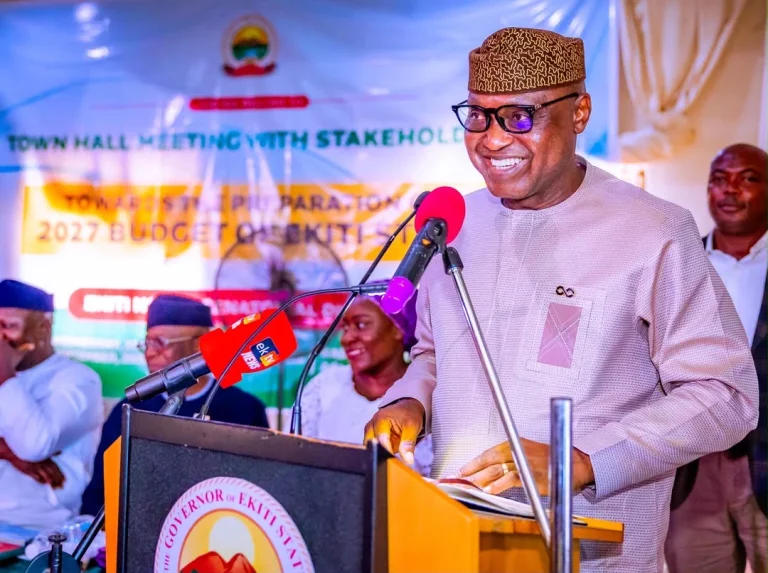
According to The PUNCH, Senate Leader Opeyemi Bamidele disclosed the proposal during the 2026 Law Week organised by the International Federation of Women Lawyers in Ekiti State on Monday, November 2.
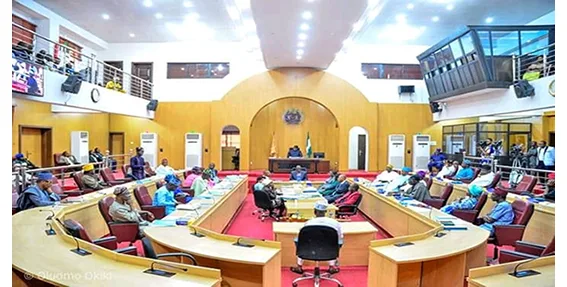
The proposed constitutional amendment would also create three additional seats for women in each state House of Assembly.
Bamidele explains 74-seat proposal
The Senate Leader explained that the initiative was designed to address barriers preventing women from participating fully in legislative decision-making.
“The proposal, as it stands, is meticulous in its design. It seeks to add 37 seats in the Senate and 37 seats in the House of Representatives,” he said.
According to him, the arrangement would provide each state and the Federal Capital Territory with one additional female representative in both chambers of the National Assembly.
The proposal would not displace existing lawmakers or reduce the number of seats currently occupied by men.
Reserved seats to last 16 years
Bamidele disclosed that the proposed arrangement would operate for 16 years, covering four electoral cycles.
He explained that lawmakers would review the programme after the period to determine its effectiveness.
“This arrangement is proposed to run for a period of 16 years, four electoral cycles, before a comprehensive review,” he said.
The senator maintained that the measure would allow political institutions to develop a more inclusive culture over time.
He also stressed that approval would require the participation of state Houses of Assembly under the constitutional amendment process.
N’Assembly seeks stronger protection for women, children
Beyond legislative representation, Bamidele called for stronger laws to protect women and children against abuse.
He maintained that victims of domestic violence and other crimes should have access to legal assistance, medical treatment and psychosocial support.
The Senate Leader also urged the judiciary, security agencies and civil society organisations to work together to improve access to justice.
He described the special seats proposal as a constitutional intervention rather than an initiative intended to benefit a particular political party.
The proposal remains under legislative consideration and has not yet become law.