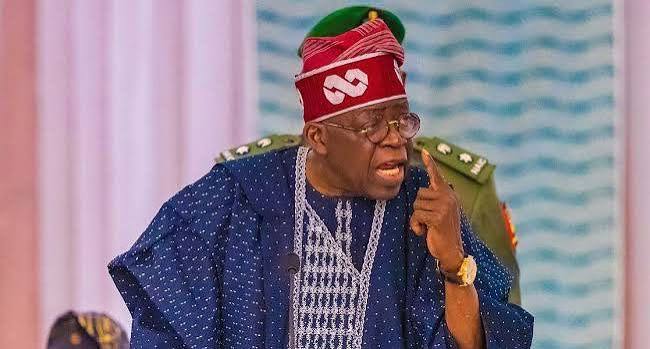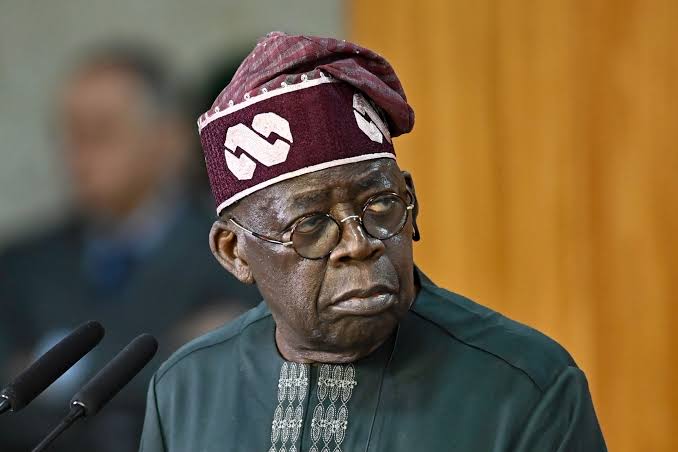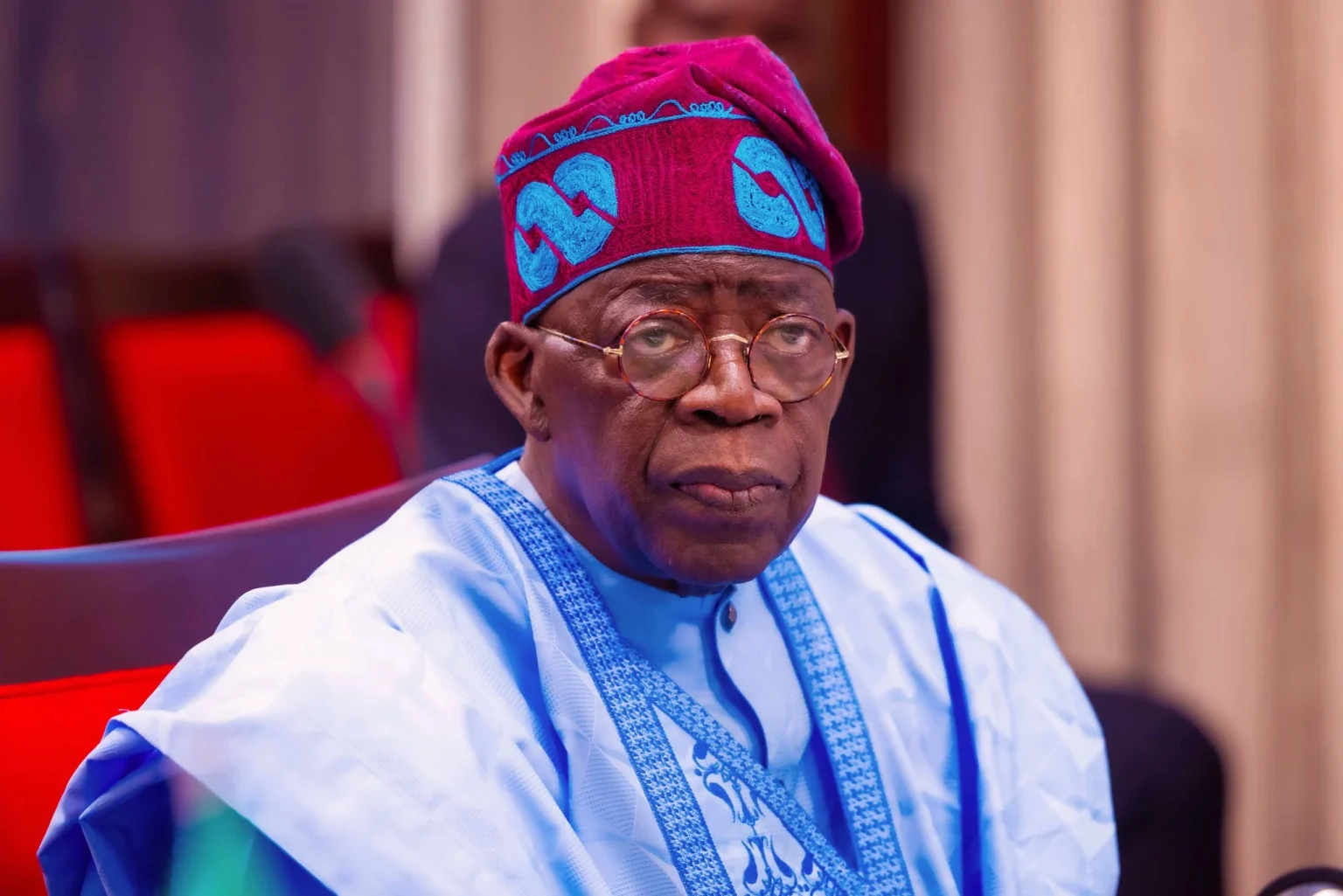
The All Progressives Congress Presidential Campaign Council has defended President Bola Tinubu’s 2023 campaign promise to end estimated billing, arguing that critics are omitting the qualifying clause in his original statement as millions of Nigerians remain without meters.
In a statement issued on Sunday, the council’s spokesperson, Dele Alake, said recent public commentary had reproduced the campaign pledge without its concluding qualification: that should he fall short, he would owe Nigerians an adequate explanation before seeking their support for a second term
“A fair assessment of the pledge should consider the full statement alongside the administration’s record since 2023. This record should be assessed against measurable improvements in electricity supply, metering, infrastructure and market stability,” the statement said.
“While fixing the power sector crisis remains unfinished, the President is working consistently to deliver on his promise to Nigerians, and his commitment to face the challenges head-on has never diminished.”
The council cited the signing of the Electricity Act 2023 within two weeks of Tinubu taking office, which it said liberalised the sector and allowed states to participate in generation, distribution and transmission. It said Lagos, Enugu, Abia, Ekiti, Oyo, Kaduna and Niger have started setting up their own electricity regulatory agencies.
The APC-PCC also pointed to the Presidential Metering Initiative, which it said has metered over 1.5 million customers in the last three years, and the settlement of legacy debts through a N4 trillion bond programme.
It added that the Rural Electrification Agency has connected universities, hospitals and rural communities to solar power, while the government has unveiled plans to modernise the Osogbo Grid Control Centre and build an East-West super grid.
What Tinubu promised in 2023
Speaking to members of the Organised Private Sector in Lagos ahead of the 2023 general elections, then-candidate Tinubu said:
“Whichever way, by all means necessary, you will have electricity, and you will not pay for estimated bills anymore. A promise made will be a promise kept. If I don’t keep the promise and I come for a second term, don’t vote for me, unless I give you adequate reasons why I couldn’t deliver.”
The Presidency has consistently insisted that Tinubu never promised 24-hour electricity for all Nigerians, with presidential spokesman Bayo Onanuga accusing critics of misrepresenting the context of the Lagos remarks.
Official figures from the Nigerian Electricity Regulatory Commission show that while distribution companies have installed 672,539 meters, the number of unmetered customers stands at 7.3 million out of over 13.16 million registered electricity customers. This means a significant majority of Nigerian electricity consumers are still subjected to the estimated billing system Tinubu pledged to end.
The national grid has also remained unstable. In January 2026 alone, the grid experienced multiple disturbances, with power generation dropping to as low as 39 megawatts at one point. The Nigerian Independent System Operator reported a voltage disturbance originating from the Gombe Transmission Substation that spread across the network, affecting Jebba, Kainji and Ayede stations.
The Federal Government has claimed progress, announcing in August 2026 that it had metered roughly 60 percent of active electricity customers under Phase 1 of the World Bank-financed Distribution Sector Recovery Programme, with 668,000 meters installed.
An independent assessment by the AdvoKC Foundation, released in June 2026, found that only 20.8 percent of Tinubu’s campaign promises had been fully fulfilled, while 37.7 percent were categorised as broken or unfulfilled. The report identified security, infrastructure and governance reforms as among the weakest-performing areas.
The Catholic Bishop of Awka Diocese, Most Rev Paulinus Ezeokafor, also criticised the government in May 2026, saying Tinubu had promised improved power supply within his first two years but had instead installed a “first-class solar system in Aso Rock”.
New promises for 2027
At the APC presidential campaign flag-off in Kaduna on October 24, 2026, Tinubu made fresh commitments as he seeks a second term.
Tinubu promised an “aggressive acceleration of nationwide infrastructure development,” with “upgraded road networks, reliable electricity generation, and modern transportation systems” serving as the foundation for job creation and industrial revival over the next four years
“We have prosperity, consistency, growth, recovery and opportunity. I assure you of that,” he told supporters.
He also ruled out a return to the petrol subsidy regime, declaring: “What is past is past. Fuel subsidy is in our past. No more corruption, no more falsification of invoices, no more lies and no more smuggling.”
On poverty, Tinubu blamed his political opponents: “I hear my opponents talking about hunger. Who created it? They did. They created hunger and poverty. We are trying to eradicate them.”
The President also assured Nigerians of regular salary payments and praised APC governors for their performance.