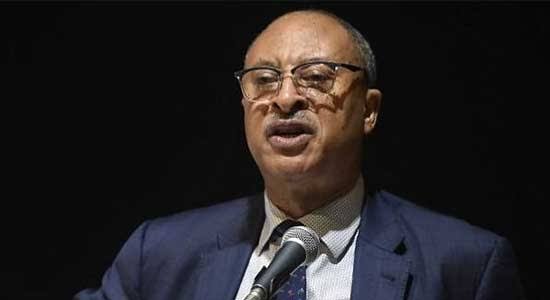
Political economist and activist, Professor Pat Utomi, has criticised Nigerians who accept food items from politicians he described as corrupt instead of demanding accountability from them.
Utomi made the remarks in a post on his official X account, warning that citizens who prioritise temporary benefits over good governance contribute to the country’s political challenges.
The professor argued that accepting handouts from political figures without questioning their performance undermined efforts to promote responsible leadership.
Utomi faults Nigerians accepting political handouts
In the post, Utomi responded to an earlier social media message by a user identified as Boluwatife, who had asked followers to share random facts.
The political economist used the opportunity to criticise the practice of receiving food items from politicians while failing to demand accountability.
“If you still collect bread and rice from corrupt politicians instead of demanding accountability from them, you are part of the problem,” he wrote.
His statement highlighted concerns about political patronage and the distribution of food items to voters, particularly during election periods.
Utomi urges greater political accountability
The professor has consistently advocated responsible leadership, transparency and greater political participation among Nigerians.
His latest remarks reinforce his position that citizens should evaluate elected officials based on their performance rather than the material benefits they distribute.
The comments also come amid growing political activities ahead of Nigeria’s January 2027 general elections.
Utomi had previously praised politically conscious young Nigerians, particularly members of Generation Z, for what he described as their resistance to political inducements.
In a separate statement on November 1, he argued that young voters were increasingly willing to challenge underperforming politicians rather than accept food items or other handouts.
The political economist maintained that greater citizen participation and accountability were essential to improving governance in Nigeria.
His latest post adds to ongoing discussions about political inducements, voter expectations and the responsibilities of citizens in a democratic society.