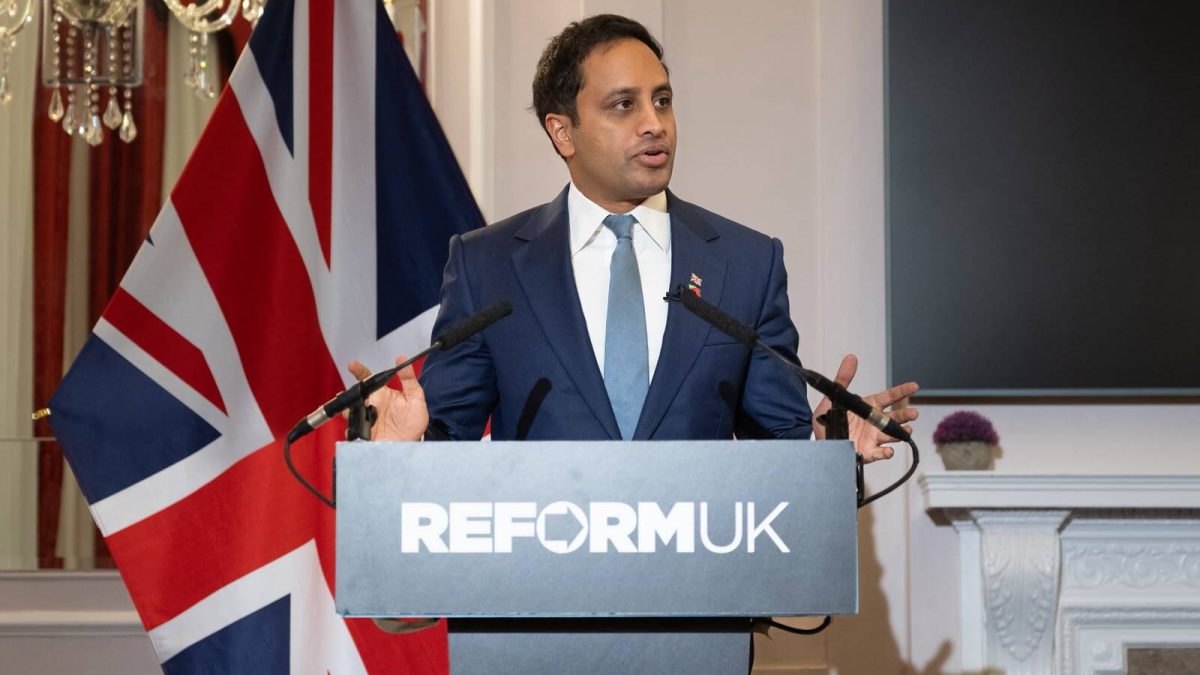
Reform UK has pledged to abolish the Graduate visa route, a policy that would force international students to leave the country within 30 days of graduation unless they secure a qualifying skilled job.
The declaration was made by the party’s Treasury spokesman, Robert Jenrick, in a post on X on Thursday, November 26, 2026.
“Reform will abolish the Graduate Visa scam. Universities should be in the education business, not the immigration business,” Jenrick stated.
Outlining the party’s proposed policy, he added, “Under Reform, if a foreign student wants to stay on after studying here, they will have to find a job that meets the requirements for a normal work visa. If they can’t find a job within 30 days under Reform, they will have to leave.”
Jenrick claimed the current system has allowed “800,000 migrants” to enter Britain recently, noting that “1 in 4 of them were dependants, so not even students!” He argued that “hundreds of thousands ended up in low level jobs like Deliveroo drivers, dependent on you, the British taxpayer forever.”
Positioning the party as the champion of strict immigration control ahead of the next general election, Jenrick emphasized, “It’s time we put the 1 million British NEETs first – who’ve been totally abandoned by the Tories and Labour. British jobs for British workers.”
Introduced in July 2021 under Boris Johnson’s government, the Graduate route allows international students to remain in the UK for two years after completing a bachelor’s or master’s degree, or three years for PhD graduates, without requiring a job offer or employer sponsorship. Reform UK claims around 800,000 such visas have been granted since its inception, including 172,400 for dependants, with 157,000 issued in the year to June 2026 alone.
The proposed ban would have a significant impact on Nigerian nationals, who are among the largest beneficiaries of the scheme. In the year ending June 2026, Nigeria was the UK’s third-largest source of sponsored students, with 26,060 study visas issued to main applicants. During the same period, 20,604 Nigerian nationals received permission under the Graduate route, marking the third-highest figure for any nationality.
Reform’s home affairs spokesman, Zia Yusuf, claimed that “70 per cent of these visas go to Nigerians, Indians and Pakistanis.” However, this specific figure remains independently unverified, as Home Office data does not break down Graduate route grants by nationality in its public summary statistics.
The visa proposal is part of a wider Reform UK immigration and higher education package. The party has also pledged to bar foreign graduates who fail to repay their student loans from entering the UK to recover an estimated £6 billion in outstanding debt, and promised to abolish indefinite leave to remain in favor of a renewable five-year visa.
Reinforcing the party’s stance, Reform’s education spokeswoman, Suella Braverman, stated she had fought to scrap the route as Home Secretary but was blocked by Rishi Sunak and Kemi Badenoch. “Too many universities are selling immigration, not education and that must change,” Braverman said.
Meanwhile, the current Conservative government has already moved to tighten the rules. From January 1, 2027, the standard Graduate visa for bachelor’s and master’s graduates will be reduced from two years to 18 months, though graduates from universities with strong immigration compliance and employment outcomes may still receive the full two years.
Critics, including Universities UK, argue that the Graduate route is vital for the UK’s higher education sector, which relies heavily on international student fees. They warn that forcing graduates to leave within 30 days would severely damage Britain’s ability to attract and retain global talent, while Nigerian students who rely on these post-study work opportunities to gain professional experience and recover the cost of their degrees would face a dramatic tightening of their prospects.