





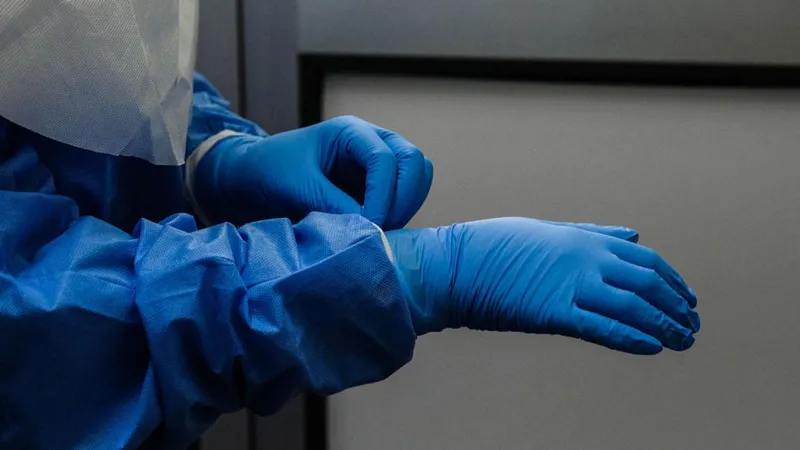
The Nigeria Centre for Disease Control and Prevention has intensified surveillance and preparedness measures following Kenya’s confirmation of an imported case of Bundibugyo Virus Disease associated with the ongoing outbreak in the Democratic Republic of the Congo.
NCDC Director-General, Jide Idris, disclosed this in a statement on Tuesday, saying the development highlighted the continuing risk of infectious diseases being introduced across borders through international travel and population movement, with Nigeria potentially exposed to similar risks.
According to Idris, Kenya’s Ministry of Health confirmed that the affected individual was a Kenyan national residing in the DRC. The patient travelled by road to Kampala, Uganda, and subsequently boarded a flight to Nairobi, where he was placed in isolation and tested positive for the virus.
The patient later died, Idris said, adding that Kenyan health authorities had activated contact tracing and other response measures to locate people who may have been exposed and limit further spread of the virus.
Idris said Nigeria had not recorded any confirmed case of Ebola as of Tuesday, while the NCDC remained closely engaged in monitoring developments in Kenya, the DRC and other countries affected by the outbreak.
He added that the agency was reassessing Nigeria’s risk level and reviewing existing preparedness arrangements in response to the Kenyan case, with plans to reinforce interventions as the regional epidemiological situation changes.
“Since the outbreak was reported in the DRC, NCDC, the Ministry of Health and Social Welfare, Port Health Services, state governments and partners have strengthened national Ebola preparedness measures.
“These measures include early detection, isolation and referral, laboratory diagnosis, infection prevention and control, contact tracing, risk communication and protection of healthcare workers across the country.
“NCDC also conducted a National Ebola Preparedness Tabletop Simulation exercise to test existing response arrangements, assess readiness and identify gaps requiring further attention by relevant authorities and partners,” he said.
The NCDC chief urged Nigerians to remain calm while maintaining a high level of vigilance, particularly by observing regular hand hygiene and avoiding direct exposure to the blood or body fluids of anyone suspected of having Ebola disease.
He further advised members of the public to stay away from the bodies of people who died from unexplained illnesses, as well as sick or dead wild animals and raw or inadequately prepared bushmeat.
Idris also called on people who develop symptoms of illness, especially those who have recently travelled to an affected area or had contact with a suspected case, to seek medical attention without delay at a recognised healthcare facility.
He advised such individuals to give healthcare workers complete and accurate information about their recent travel and possible exposure, while encouraging Nigerians to obtain updates only from the NCDC, the Federal Ministry of Health and other authorised sources.
“Healthcare workers are advised to maintain a high index of suspicion among patients with compatible symptoms and relevant travel or exposure histories within the preceding 21 days,” he explained.
Idris reminded healthcare professionals that the initial symptoms of Ebola can be similar to those of several common febrile illnesses. He therefore urged them not to wait until a patient develops bleeding before considering the possibility of Ebola.
He directed healthcare workers attending to suspected cases to immediately isolate the patients, implement appropriate infection prevention measures and use the required personal protective equipment, while promptly reporting suspected cases through established public health surveillance channels.
“Travellers from affected areas are advised to remain vigilant, monitor their health for 21 days after leaving an affected area, and promptly report symptoms or possible exposure,” he said.
Idris assured that the NCDC would maintain collaboration with national, regional and international partners to evaluate the implications of the latest development for Nigeria, strengthen the country’s preparedness and issue additional updates as the situation across the region develops.