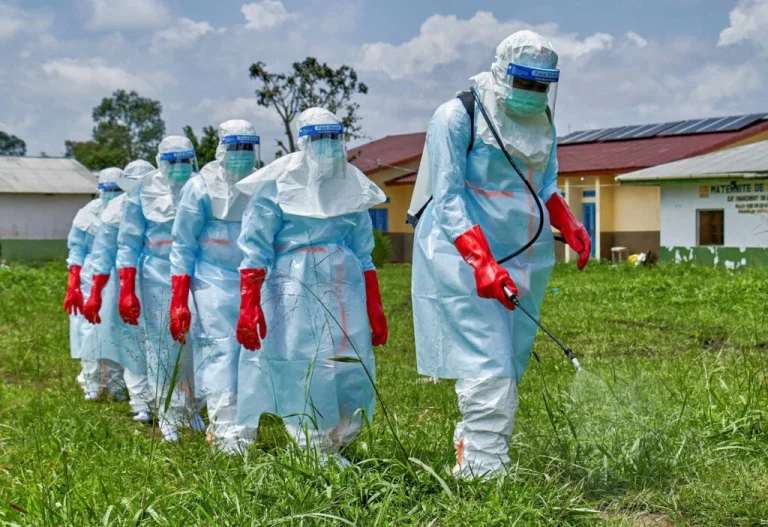
Nigeria has recorded no secondary Ebola infections after all 62 people identified as contacts of an imported Bundibugyo virus disease case completed their 21-day monitoring period.
The World Health Organisation described the development as an important milestone in Nigeria’s response to the imported case reported in October.
According to The PUNCH, WHO Director-General Tedros Adhanom Ghebreyesus commended the Nigerian government and healthcare workers for preventing further transmission.
WHO praises Nigeria’s response
In a statement shared on Friday, the WHO chief disclosed that all identified contacts had successfully completed monitoring without evidence of secondary infection.
He praised the work of healthcare professionals, surveillance teams and emergency responders involved in containing the disease.
The announcement followed an update by the Director-General of the Nigeria Centre for Disease Control and Prevention, Dr Jide Idris.
Idris disclosed that the final contact completed monitoring on November 13.
He explained that 13 of the contacts experienced fever or other symptoms during the monitoring period, but laboratory tests returned negative results for the virus.
NCDC maintains emergency response
Despite the development, the NCDC warned that the completion of contact monitoring did not mean the outbreak had been formally declared over.
The agency said the National Emergency Operations Centre would remain activated at Level 3 while the country continued surveillance.
Nigeria is also observing the required 42-day countdown associated with determining whether transmission has ended.
Imported case confirmed in October
The initial case involved a 42-year-old woman who travelled from Uganda to Nigeria through Ethiopia.
She arrived in Abuja on October 3 and later developed symptoms.
Laboratory testing confirmed Bundibugyo virus disease on October 20.
The patient was subsequently evacuated to Switzerland for treatment and recovered.
The NCDC maintained that continued surveillance, laboratory readiness and effective infection prevention remained essential despite the absence of secondary cases.