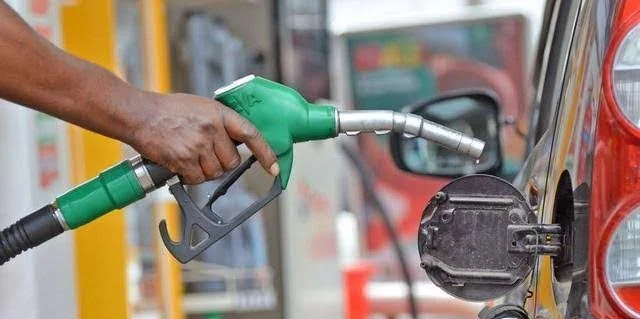
The price of Premium Motor Spirit, popularly known as petrol, has climbed sharply across Nigeria, with pump prices reaching N1,500 per litre in several northern states and rising significantly in other parts of the country.
The latest increase has triggered fresh concerns among motorists, transport operators, businesses and households, while the Nigeria Labour Congress has called on the Federal Government to introduce urgent measures to reduce the impact of higher energy costs on citizens, according to The PUNCH.
In states including Kano, Yobe, Sokoto, Borno, Taraba and Zamfara, petrol was reported to be selling at about N1,500 per litre, with some locations recording prices above that level.
The NLC, in a statement issued on Wednesday by its president, Joe Ajaero, said petrol was selling for roughly N1,430 per litre in major cities, while consumers in more remote areas were paying considerably more.
The union warned that rising fuel prices could deepen the country’s cost-of-living crisis because higher transportation expenses tend to feed into the prices of food, accommodation, education and other essential services.
In Yobe State, petrol prices in Damaturu reportedly ranged from N1,500 to N1,520 per litre. Residents said the increase was placing additional pressure on household finances.
A resident, Hassan Auwalu, said he was buying the product for N1,500 per litre, describing the price as unusually high.
A tricycle operator, Musa Ibrahim, also said he was paying about N1,500 per litre at some NNPC filling stations in the state capital.
Another resident, Lawan Garba, said certain filling stations were charging as much as N1,520 per litre.
In Kano, prices ranged between N1,460 and N1,500 per litre at several filling stations. The increase has reportedly affected vehicle use, with some private motorists leaving their cars at home.
Commercial tricycle operators have also adjusted fares. A journey that previously cost about N200 now attracts around N300, while longer trips cost between N500 and N700, depending on distance.
Sokoto also recorded a significant increase, with petrol selling for between N1,465 and N1,500 per litre. The new prices represent an increase from the earlier level of about N1,365.
In Maiduguri, Borno State, motorists were buying petrol for around N1,500 per litre. One motorist, Ishaku Curutsi, said he purchased the product at that price from a filling station in the city on Wednesday.
Taraba State recorded prices of approximately N1,500 per litre, with some motorists reporting prices as high as N1,700 at certain outlets.
In Zamfara, petrol sold for between N1,450 and N1,500 per litre in Gusau and surrounding areas, compared with a previous price of about N1,350.
The price increase was not limited to the northern region. Checks across several states showed that pump prices had also risen in Kaduna, Benue, Kogi, Plateau, Bauchi, Adamawa, Rivers, Abia, Imo, Delta, Bayelsa, Ekiti, Edo and Kwara.
In Kaduna, petrol sold for as much as N1,450 per litre at some filling stations, while an NNPC Mega station was dispensing the product at N1,439.
In Makurdi, Benue State, the commodity sold for between N1,430 and N1,470 per litre. Transport fares have also begun to rise, with some routes reportedly increasing from N400 to N600.
A filling station attendant in the city attributed declining sales to the higher cost of petrol, saying commercial motorcyclists now make up a larger share of customers.
Jigawa State recorded prices between N1,460 and N1,480 per litre in Dutse. At some roadside outlets, however, petrol was reportedly being sold for N2,000 or more, depending on availability.
In Lokoja, Kogi State, several filling stations adjusted their prices following a recent price review by the Dangote refinery. Pump prices ranged from N1,400 to N1,450 per litre at outlets monitored.
Plateau State also recorded prices between N1,450 and N1,470 per litre in Jos, raising concerns among workers who commute daily from surrounding communities.
In Bauchi, motorists paid about N1,460 per litre within the metropolis and up to N1,470 at some stations on the outskirts.
Adamawa recorded considerable variations. Prices in Yola ranged from N1,400 to N1,470 per litre, while consumers in Mubi reportedly paid between N1,700 and N1,850.
In Port Harcourt and surrounding areas of Rivers State, petrol sold for approximately N1,400 per litre at several filling stations, while an NNPC outlet in Rumuodomaya dispensed the product for about N1,385.
Prices also increased in Abia, where petrol sold for between N1,350 and N1,440 per litre. The commodity had previously been available at lower prices in Aba and Umuahia.
A fuel station operator in Umuahia said retailers were charging more because their own purchase costs had increased.
In Delta State, filling stations in Warri and Effurun sold petrol for around N1,350 per litre, while prices in Asaba ranged from N1,400 to N1,410.
Some commercial tricycle operators in Delta reportedly turned to alternative sources to obtain cheaper supplies.
Bayelsa State recorded pump prices of approximately N1,400 per litre in Yenagoa. Motorists were seen moving between filling stations in search of lower prices and shorter queues.
In Ado Ekiti, petrol sold for between N1,380 and N1,450 per litre, depending on the filling station.
Benin City in Edo State recorded prices of roughly N1,395 to N1,425 per litre, while stations in Auchi and other parts of Edo North sold the product within a similar range.
In Ilorin, Kwara State, prices ranged from N1,379 to N1,405 per litre. The difference reflected variations among individual marketers and locations.
Reacting to the development, the NLC urged the Federal Government to move quickly to protect workers and households from the effects of rising petrol prices.
In its statement, titled “Save the Situation Now,” the labour organisation linked the latest increase to renewed instability in the Gulf region and developments in the international crude oil market.
The union argued that Nigeria’s position as an oil-producing country should provide some protection from global energy-price shocks.
Among its demands, the NLC called for reasonable wage awards for workers, increased sales of crude oil to domestic refineries in naira and an expansion of national petroleum storage facilities.
According to the union, stronger domestic supply arrangements and larger strategic reserves could help the country respond more effectively to disruptions in the international oil market.
The labour centre also said government intervention, including temporary subsidies or other forms of assistance, should remain an option during periods of severe economic pressure.
Ajaero argued that higher crude oil prices could provide the Federal Government with additional revenue, which he said could be used to finance measures aimed at reducing the impact of rising living costs.
The NLC also questioned reports that some domestic refineries were importing crude, arguing that such developments could undermine efforts to build a more reliable local refining system.
Fuel marketers have similarly urged the government to intervene, warning that petrol prices could climb further if international crude oil prices remain elevated.
Some industry stakeholders have put the possible price at as much as N2,000 per litre should the pressure on the global oil market persist.
The latest developments have also intensified debate over the structure of Nigeria’s downstream petroleum market, including the increasing influence of the Dangote Petroleum Refinery.
Stakeholders have called for measures that would promote a more competitive market while ensuring adequate supply and preventing excessive pressure on consumers.
For households and businesses already dealing with higher transportation and operating costs, the latest petrol-price increases have added another layer of economic pressure.