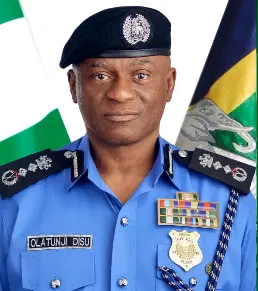
The Inspector-General of Police, Olatunji Disu, has deployed a Deputy Inspector-General of Police, Umar Shehu Nadada, to Niger State to restore normalcy in Borgu Local Government Area following bandit attacks and subsequent reprisal killings that reportedly claimed more than 30 lives.
The Force Public Relations Officer, CSP Ani Iniedu, disclosed this in a statement on Wednesday, November 25, 2026, saying the deployment was aimed at assessing the security situation, strengthening security arrangements and preventing further violence in the affected communities.
Nadada, who is the DIG in charge of Operations, arrived in Minna on November 23 and was received at Government House by the Deputy Governor, Comrade Yakubu Garba, on behalf of Governor Mohammed Umaru Bago.
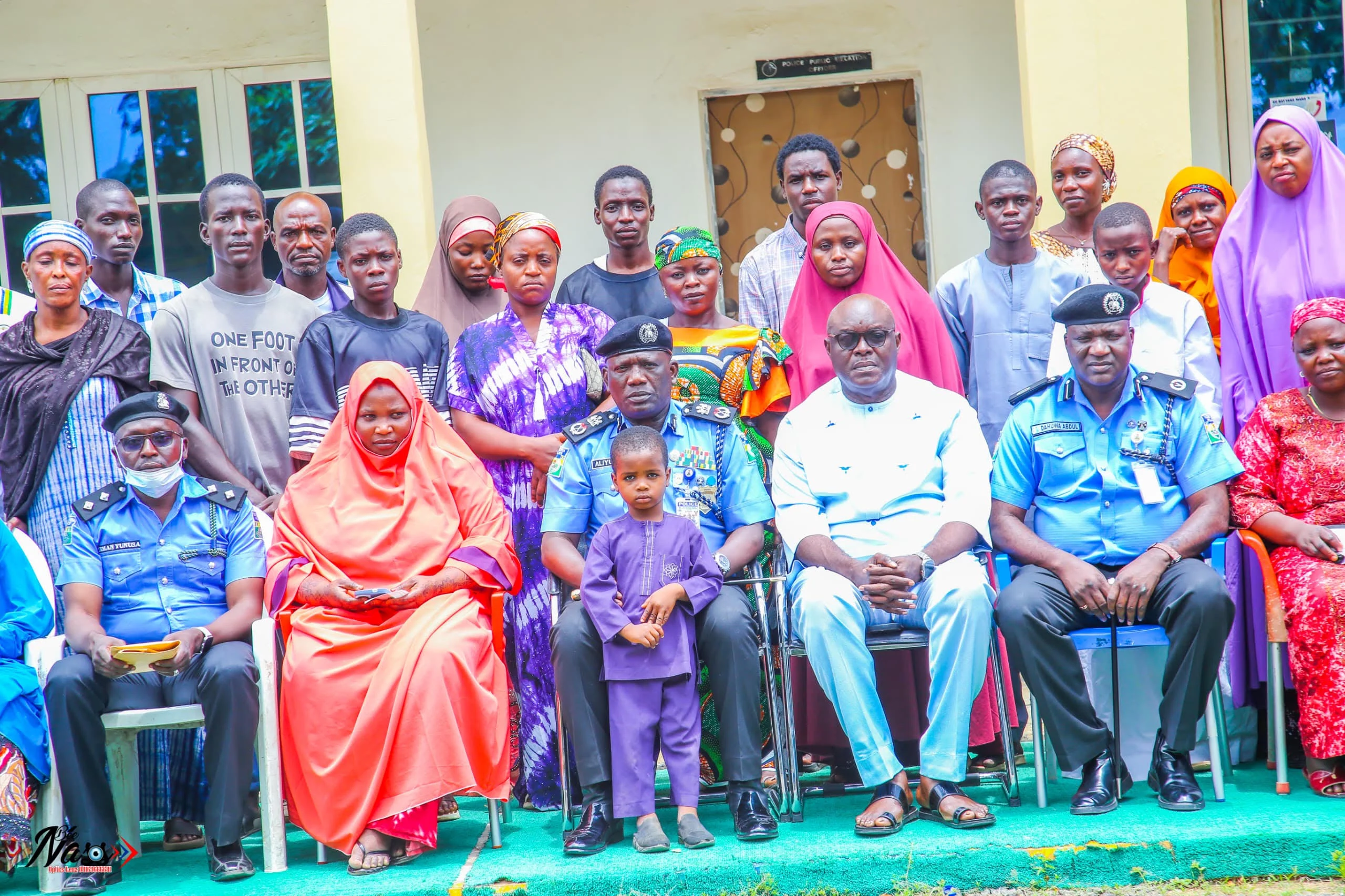
The police delegation subsequently visited the Emir of Borgu, Alhaji Muhammed Dantoro, at his palace in New Bussa, where the DIG offered condolences over the violence.
Nadada said security agencies were working with relevant stakeholders to restore lasting peace in the area. He warned that communal violence and reprisal attacks would only worsen insecurity, assuring the Emirate Council that additional operational assets and tactical teams would be deployed to stabilise the affected communities.
The DIG, accompanied by the Commissioner of Police in Niger State, CP Salisu Bello Fago, and other senior officers, also visited Lumma Ba’are and Wawa communities for an on-the-spot assessment and engagement with residents and community leaders.
Iniedu said the November 21 attack on Lumma Ba’are claimed six lives, including the village head, and left several houses burnt. He added that a suspected reprisal attack in Wawa later that day resulted in the deaths of more than 30 people.
The police spokesperson said the figure was different from reports circulating in the media and on social media, which put the death toll at 64.
During the visit, Nadada announced the deployment of additional tactical personnel to reinforce joint security teams already operating in the area. He also urged residents to cooperate with security agencies, stressing that maintaining peace was a collective responsibility.
The IGP had specifically directed the DIG to visit the affected communities and engage traditional rulers, community leaders and other stakeholders to find lasting solutions to the crisis and prevent a recurrence.
The killings in Borgu are the latest in a series of attacks and reprisals that have destabilised communities in Niger State’s border areas.
The violence began on November 21 when bandits attacked Lumma Ba’are, killing the village head and five others, and burning several houses. In response, residents of Wawa reportedly mobilised and launched a reprisal attack against suspected bandits, resulting in more than 30 deaths.
The cycle of attack and reprisal has become a recurring pattern in Nigeria’s North-Central and North-West regions, where banditry has entrenched itself over the past decade. Communities often take justice into their own hands when they feel the state has failed to protect them, leading to further escalation and civilian casualties.
Niger State has been particularly hard hit. In October 2026, the state recorded mass abductions in Rafi Local Government Area, where 14 Islamiya students were kidnapped while helping their teacher harvest maize. The state government has repeatedly called for stronger federal security intervention, while critics argue that governors have not done enough to protect rural communities.
The DIG’s deployment is intended to signal the Federal Government’s commitment to restoring order, but the challenge in Borgu and similar communities is not just the presence of security personnel. It is the cycle of distrust and reprisal that makes lasting peace difficult to achieve.