Maha Christopher
The Federal Government has reportedly set aside N500 billion from the Federation Account Allocation Committee (FAAC) revenue for May 2026 to fund emergency security interventions across the country.
According to The Punch, multiple sources familiar with the FAAC proceedings disclosed that the deduction was made before the monthly revenue allocation was shared among the Federal Government, states and local government councils.
Confirming the development, one source said, “FAAC deducted N500bn for national security emergency fund this month.”
Another official said the deduction contributed significantly to the difference between the total revenue generated and the amount eventually distributed to the three tiers of government.
“That is where the FAAC windfall is going too,” the source stated.
The official further revealed that commissioners of finance from the 36 states, who are members of FAAC, were aware of the deduction.
“Commissioners are not talking about it, which means they are in the loop,” the source added.
Documents obtained by The Punch showed that N250 billion was earmarked for a Military Intervention Fund, while another N252 billion was allocated as an Infrastructure Development Fund to states.
The records also indicated a N450 billion deduction to the Non-Oil Excess Revenue Account, bringing the total value of the three major deductions to N952 billion.
The development comes as FAAC distributed N2.30 trillion among the Federal Government, states and local government councils as revenue allocation for May 2026.
According to the Director of Press and Public Relations in the Office of the Auditor-General of the Federation, Bawa Mokwa, the allocation represented an increase of N43 billion from the N2.26 trillion shared in April.
A breakdown of the distribution showed that the Federal Government received N818.68 billion, states received N759.14 billion, while the 774 local government councils got N534.28 billion. Oil-producing states also received N188.13 billion as 13 per cent derivation revenue.
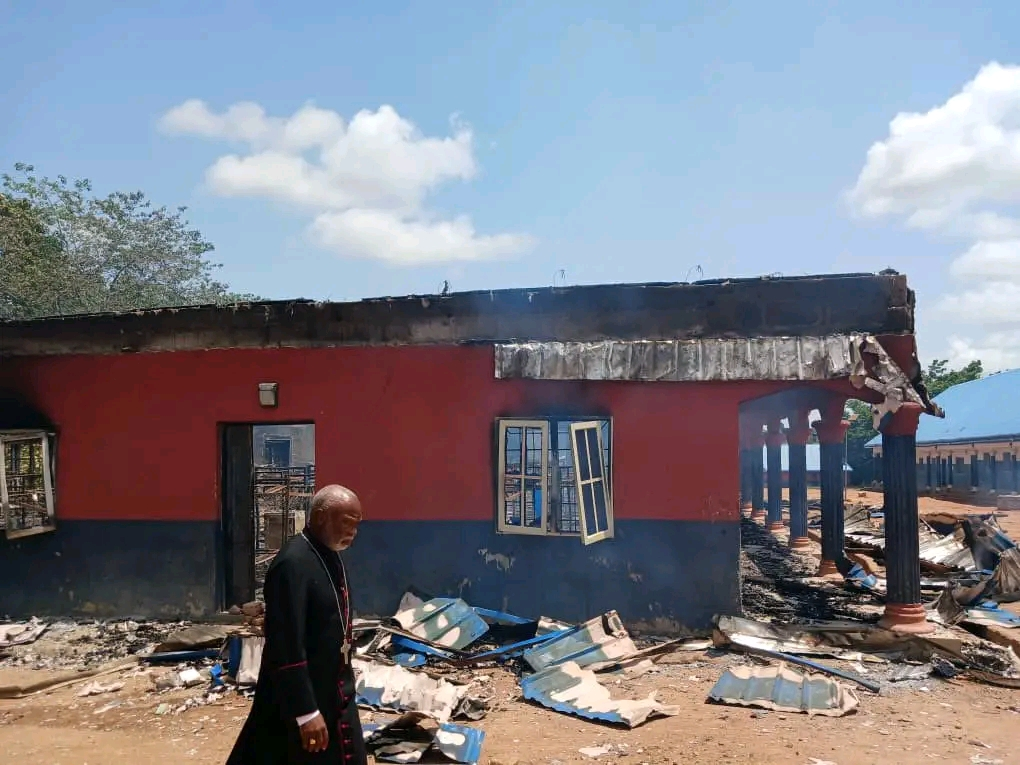
The security fund initiative comes amid persistent security challenges, including insurgency, banditry, kidnappings, communal clashes and oil theft across various parts of the country.
Speaking on the development, Chief Executive Officer of Economic Associates, Dr Ayo Teriba, said increased funding for security was necessary given the country’s security challenges.
“Everybody agreed that not enough is being done on security, not enough is being spent on security, and the funding gaps on security are obvious,” Teriba said.
He added that the success of the initiative would depend largely on transparency and accountability.
“It is up to them to reassure Nigerians that this time they mean well and that they can be transparent about what they want to use this funding for,” he said.
Also speaking, Professor of Economics and Public Policy at the University of Uyo, Prof Akpan Ekpo, described security as critical to economic growth and investment.
“Without security, all the investments coming in will not work. With security, you can develop a place. Without security, you can’t,” Ekpo stated.
He said creating a dedicated emergency security fund was a positive step, provided the resources were properly managed.
“If you have an emergency fund to boost security, to get modern equipment and fight insurgency and terrorism, it is a step in the right direction, provided the money is used efficiently, and there is transparency,” he added.
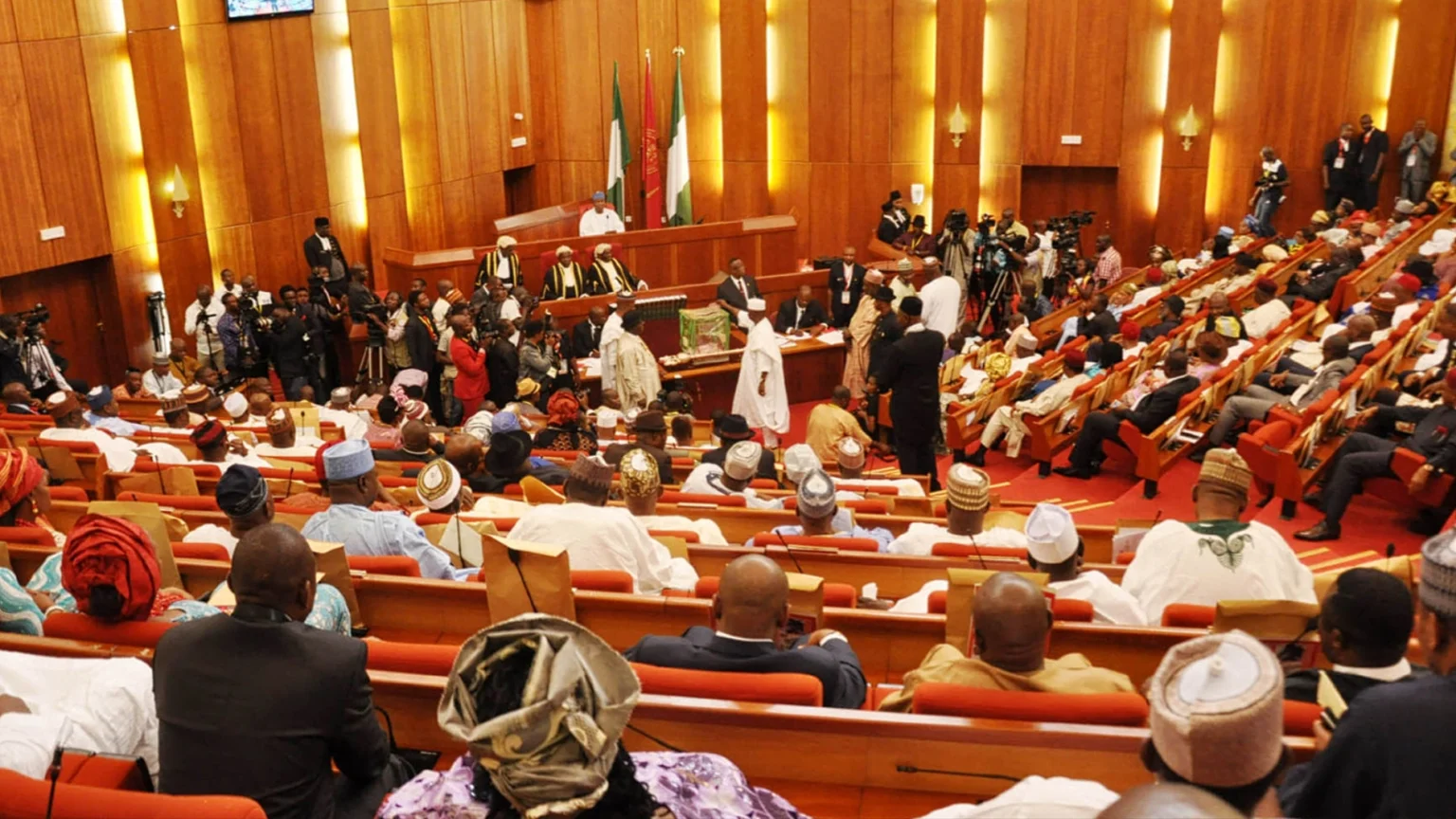
Meanwhile, the Department of State Services has urged the House of Representatives to remove provisions allowing foreign organisations to contribute to the proposed DSS Trust Fund.
The agency warned that foreign funding could expose sensitive intelligence operations to external influence and compromise Nigeria’s national security.
“Allowing foreign funding for a security-related Trust Fund raises serious concerns relating to sovereignty, operational confidentiality, and institutional independence,” the DSS said during a public hearing at the National Assembly.
The Service, however, supported the establishment of the trust fund, describing it as a mechanism that would provide stable financing for intelligence gathering, counterterrorism operations and rapid responses to emerging security threats.