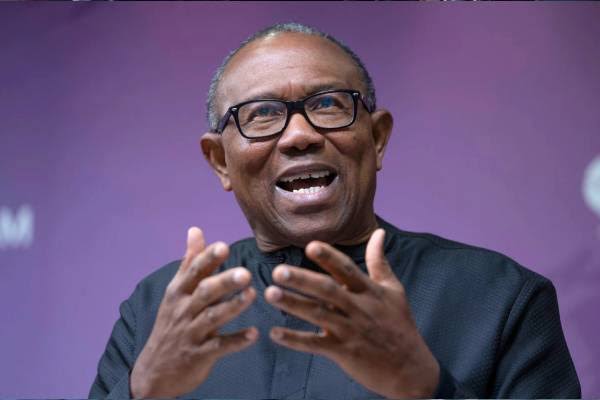
The presidential candidate of the Nigeria Democratic Congress, Peter Obi, has vowed to jail anyone involved in corruption if elected President, saying his government would not tolerate corrupt practices regardless of who was involved.
Obi spoke on Saturday, November 28, 2026, during a town hall meeting in Uyo, the Akwa Ibom State capital, where he also pledged to tackle insecurity and pull Nigerians out of poverty.
“Anybody who is in service and is involved in a huge and monumental corruption will go to jail,” Obi said.
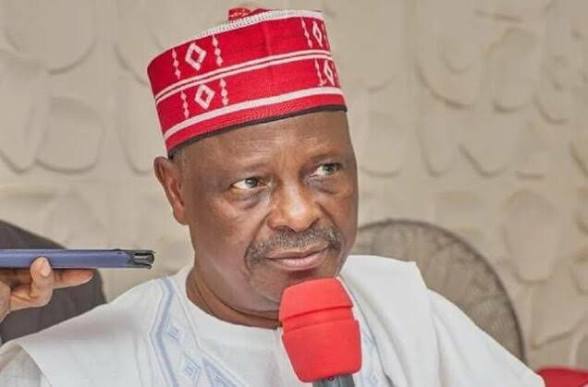
“We want to change Nigeria; we want to make Nigeria work for our children. I am a Christian from a good Christian family from the South. Rabiu Kwankwaso is a Muslim from a good Muslim family from the North. We have agreed that we will secure the country.”
He added: “Anyone who kidnaps children and runs into the bush, we will be in the bush with them.”
The former Anambra State governor said he visited Oron, where some fishermen told him they were frequently attacked by sea pirates, promising to fight crime if elected President.
He also criticised the President Bola Tinubu-led administration over its borrowing, saying: “President Tinubu has borrowed more money than former President Obasanjo, Goodluck Jonathan and Muhammadu Buhari put together.”
Obi added: “Let me assure Nigerians; we will pull people out of poverty. The more you pull people out of poverty, the more you stop crime. Kwankwaso and I are committed to turning the country around. You need capacity and energy to do this job. Our President is tired. He must go.”
Obi’s remarks in Uyo reflect the core themes of his 2027 campaign: tackling corruption, addressing insecurity, and reviving the economy.
His pledge to jail corrupt officials echoes his tenure as governor of Anambra State from 2006 to 2014, when he was known for his frugal management of public funds and his efforts to reduce the cost of governance. He has repeatedly promised to replicate that approach at the federal level.
His criticism of the Tinubu administration’s borrowing is part of a broader argument that the government has failed to manage the economy effectively, despite the removal of the fuel subsidy and the unification of the exchange rate. Critics of the administration argue that the savings from those reforms have not translated into visible improvements in the lives of ordinary Nigerians.
Obi’s alliance with Kwankwaso, a former Kano State governor and former Minister of Defence, is central to his strategy to build a national coalition that bridges the North-South divide. The two men have framed their partnership as a break from the ethnic and religious politics that have historically shaped Nigerian elections.
Obi’s path to the presidency remains uncertain. He faces a fragmented opposition field, with former Vice-President Atiku Abubakar contesting on the African Democratic Congress platform and other candidates still in the race. The ruling All Progressives Congress, with its incumbency advantage and control of state machinery, remains a formidable opponent.
His campaign is also constrained by the limited resources available to opposition parties in Nigeria, compared to the ruling party’s vast financial network.
But Obi’s supporters point to his track record, his perceived integrity, and his ability to connect with young Nigerians as reasons for optimism. The town hall in Uyo, attended by a large crowd, suggests that his message continues to resonate with voters who are frustrated with the status quo.