Ukraine has intensified its efforts to weaken Russia’s combat aviation capabilities, increasingly targeting military airfields hosting Su-34 fighter-bombers with domestically manufactured Neptune cruise missiles.
According to Defense Express, as reported by UNN, Ukrainian forces are focusing on Russian airbases used by aircraft responsible for launching guided aerial bombs against Ukrainian positions and settlements.
The latest operation took place overnight on November 26, when the Ukrainian Navy launched Neptune missiles against the Marinovka military airfield in Russia’s Volgograd region. The facility hosts Russian Su-34 fighter-bombers, which play a significant role in Moscow’s guided aerial bomb operations.
Ukraine’s General Staff confirmed the strike, stating that the results of the operation and the extent of the damage were still being уточнені.
Ukraine Continues Targeting Russian Bomber Bases
The Marinovka operation follows an earlier missile attack against another Russian military airbase housing Su-34 aircraft.
In October, Ukrainian forces reportedly struck the Borisoglebsk airfield in the Voronezh region using Neptune cruise missiles. The attack hit six Russian Su-34 fighter-bombers, according to Defense Express.
These operations reflect Ukraine’s growing emphasis on attacking Russian military aircraft at their bases rather than limiting efforts to intercepting them after they have entered combat operations.
By targeting airfields, Kyiv aims to disrupt the infrastructure supporting Russian aerial attacks and reduce the availability of aircraft used to deploy guided bombs.
Gripen Fighters and Meteor Missiles Could Strengthen Ukraine’s Air Defence
Defense Express analysts have also highlighted the potential contribution of Swedish-made Gripen fighter jets equipped with long-range Meteor air-to-air missiles.
Such an aircraft-and-missile combination could provide Ukraine with additional capabilities to challenge Russian military aviation.
However, destroying aircraft while they remain on the ground is already an established component of Ukraine’s strategy for countering Russian platforms that carry guided aerial bombs.
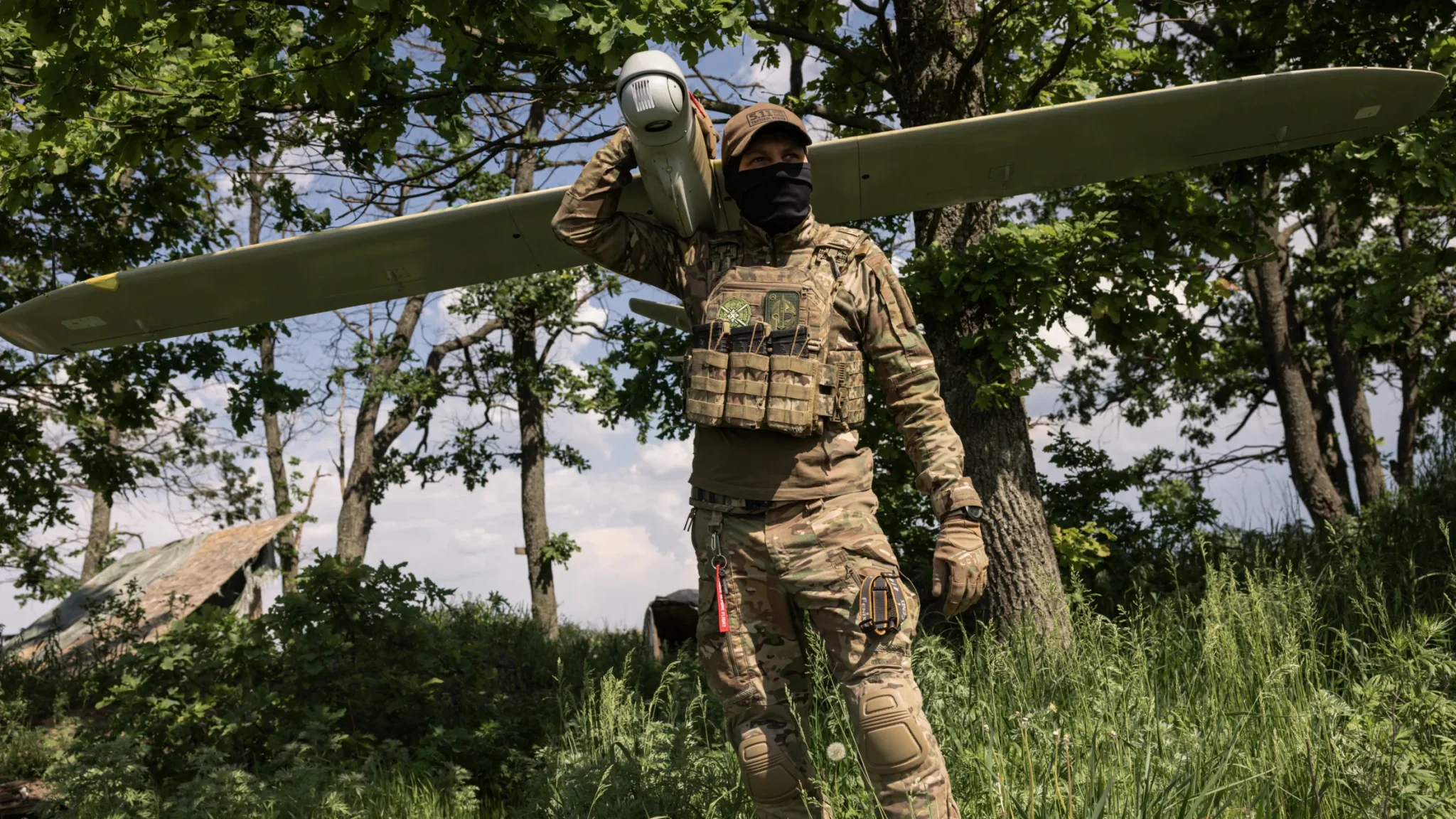
Alongside cruise missile operations, Ukrainian forces continue to deploy long-range unmanned aerial vehicles against Russian military airfields, expanding the range of methods used to disrupt Moscow’s aviation infrastructure.
Ukraine Expands Domestic Missile Manufacturing
Ukraine is also working to strengthen its ability to sustain long-range strikes through increased domestic weapons production.
Defense Express reports that the Luch Design Bureau is expected to manufacture hundreds of cruise missiles from the Neptune family during 2026. However, projected production is expected to remain below 1,000 missiles.
The expansion of domestic missile manufacturing could provide Ukraine with additional resources for operations against Russian military facilities, including airbases supporting fighter-bombers and other combat aircraft.
The continued use of Neptune missiles, combined with long-range drone operations, highlights Kyiv’s growing reliance on domestically developed weapons to challenge Russian military aviation infrastructure.