Archaeological researchers have uncovered significant underground structures beneath Istanbul’s historic Hagia Sophia after clearing more than 396 metres of ancient tunnels and removing approximately 3,000 tonnes of accumulated debris.
The excavation and restoration project also led to the discovery of an underground burial structure believed to predate the construction of the iconic religious monument, according to Hürriyet Daily News, as reported by UNN.
Turkey’s Minister of Culture and Tourism, Mehmet Nuri Ersoy, disclosed that researchers had investigated underground passages extending more than 396 metres. Preliminary findings indicate that the tunnels may have formed part of an ancient drainage network serving the city.
As part of the conservation effort, specialists repaired deteriorating sections of the underground structures, restored damaged vaulted ceilings and strengthened vulnerable areas using stainless-steel supports.
One of the most significant areas under investigation is a tunnel measuring approximately 183 metres in length, which runs alongside the entrance to Hagia Sophia. Researchers believe the passage may have been linked to an ancient Roman road, although further investigations are needed to establish its original purpose.
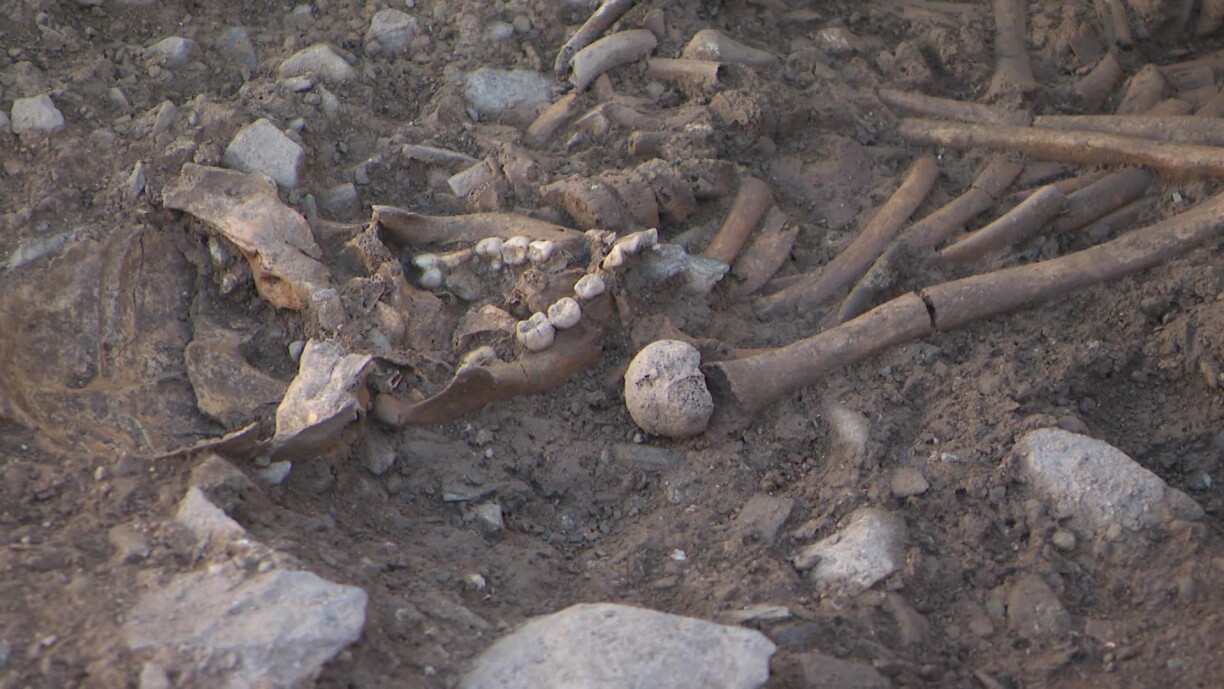
Another notable discovery was made beneath the Vizier’s Garden, where archaeologists identified a subterranean burial structure that may have been constructed before Hagia Sophia was erected.
The discovery could provide valuable insights into the site’s history and the layers of human activity that existed in the area before the famous monument was built.
Hagia Sophia was completed in 537 AD under the rule of Byzantine Emperor Justinian I. Over the centuries, the structure has remained one of Istanbul’s most historically significant landmarks.
Archaeological investigations and preservation work are still underway, with specialists continuing to examine the underground network and document the newly identified structures.