The United Kingdom has recorded a sharp decline in net migration, falling by 92 per cent from its 2023 peak of 944,000 to just 77,000 in the year ending June 2026.
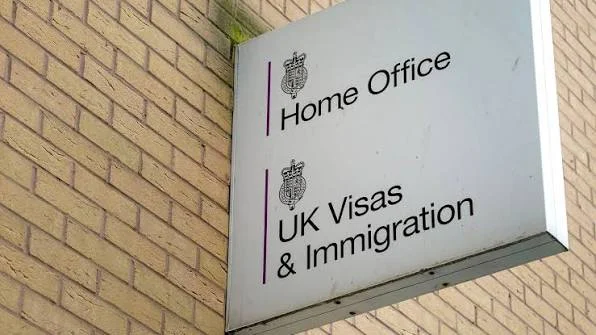
The UK Home Office announced the development on Thursday, November 26, 2026, in a statement shared on its official X account, @ukhomeoffice.
The figures, released by the Office for National Statistics, show that net migration has dropped to its lowest level since 1997, excluding the period affected by COVID-19 travel restrictions.
In its announcement, the Home Office stated, “Net migration has fallen 92% from its 2023 peak. From close to one million to 77,000.”
The department added, “We are building a system that attracts the brightest and best, and those our country truly needs.”
UK records lowest migration in nearly 30 years
According to the ONS, approximately 738,000 people moved to the UK for long-term residence during the year ending June 2026.
However, an estimated 661,000 people left the country over the same period, resulting in net migration of 77,000.
The latest figure represents a significant reduction from the revised estimate of 204,000 recorded in the year ending June 2025.
It also marks a major reversal from March 2023, when net migration reached a record 944,000.
The statistics indicate that the annual net migration figure has fallen by approximately 62 per cent over the past year alone.
Fewer foreign workers, students enter UK
The ONS attributed the latest decline primarily to fewer migrants arriving from countries outside the European Union.
Net migration among non-EU nationals fell from 379,000 in the previous year to approximately 258,000.
The number of people arriving for employment-related reasons declined by 45,000, while study-related arrivals fell by 33,000.
Arrivals for asylum-related reasons also decreased by approximately 19,000.
Meanwhile, the UK recorded negative net migration among British and European Union nationals.
An estimated 137,000 more British citizens left the country than returned, while net migration among EU nationals stood at negative 45,000.
Government defends tougher immigration policies
Reacting to the statistics, UK Home Secretary Shabana Mahmood said the figures demonstrated progress in efforts to tighten the country’s immigration system.
“We won’t stop here,” Mahmood said.
“Our reforms are restoring control and building a fairer immigration system that rewards contribution.”
The British government has introduced several immigration restrictions aimed at reducing arrivals and prioritising highly skilled workers.
These include stricter salary and skill requirements for work visas, restrictions on dependants accompanying certain migrants and changes to student and care worker immigration routes.
Some restrictions were introduced under previous Conservative administrations, while the current Labour government has implemented further reforms.
Economic concerns emerge over falling migration
Despite the government’s positive assessment, economists have warned that a prolonged decline in immigration could affect Britain’s workforce and economic growth.
Some sectors, including healthcare, education and social care, have historically relied on foreign workers to address labour shortages.
Economists have cautioned that sustained reductions in migration could weaken the supply of labour and reduce tax revenues over time.
However, supporters of stricter immigration policies argue that lower migration could reduce pressure on housing, public services and infrastructure.
ONS warns figures could change
The Office for National Statistics stressed that the latest migration estimates remain provisional and could be revised as more information becomes available.
The agency explained that the figures represent people moving into or out of the UK for at least 12 months.
It also warned that estimates involving British citizens carry additional uncertainty because some administrative data had not yet been updated.
Despite those limitations, the latest statistics confirm a substantial decline in net migration compared with the record levels observed in 2023.