





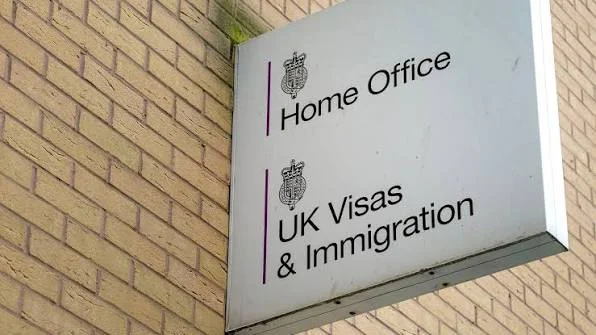
The United Kingdom has introduced major changes to its immigration rules, tightening requirements across work, study, family and settlement visa routes.
According to The Punch, the changes come under Statement of Changes HC 259. The UK government laid these changes before Parliament on July 9, 2026. The UK government also said the document sets out specific changes to the Immigration Rules and the dates they take effect.
Key dates applicants should know
The new rules will take effect in phases.
Changes affecting Appendix EU and Appendix EU Family Permit will take effect on July 30, 2026.
Most other changes will take effect on August 3, 2026.
The rules also include a safe harbour provision for people who submit applications before August 3, 2026. Those applications will follow the previous rules in force on August 2.
The changes cover applications for entry clearance, Electronic Travel Authorisation, permission to enter, permission to stay and administrative review.
Overstaying rules tightened
The Home Office introduced a uniform rule across many visa routes. This is designed to reduce what officials see as grey areas around overstaying and immigration bail.
Under the new standard, anyone applying for permission to stay must not breach immigration laws. However, this does not apply where the overstayer exceptions under Part Suitability apply.
Applicants must also not stay on immigration bail, except where the same exceptions apply.
The rule affects several routes, including Skilled Worker, Global Business Mobility, Scale-Up, Start-Up, Innovator Founder, Global Talent, Student, Child Student, Graduate, Visitor, Youth Mobility Scheme, Long Residence, Private Life and family settlement routes.
The Hong Kong BN(O) route includes a separate clause for people placed on immigration bail after making an asylum claim in the UK.
Deportation powers expanded
The UK government also widened deportation rules for foreign nationals with criminal convictions.
Under the changes, foreign nationals convicted on or after March 22, 2026, who receive suspended prison sentences of 12 months or more will face the same treatment as those given immediate custodial sentences. This applies for deportation purposes.
This means authorities can pursue deportation unless narrow private life, family life or human rights exceptions apply.
The changes also affect Electronic Travel Authorisation and Child Student routes. They do this by adding suspended sentences to the criminality grounds that can lead to refusal.
Asylum interviews may be skipped
The new rules also give the Secretary of State power to decide some asylum claims without holding a personal interview.
This applies where the applicant comes from the European Economic Area or Switzerland. Furthermore, it applies where the Home Office can determine from the application papers that the claim lacks merit.
The rule makes clear that skipping the interview does not stop the government from approving or rejecting the asylum claim.
Work and corporate routes adjusted
The changes also affect workers and employers under the Skilled Worker route.
For 2027 and 2028 salary rule transitions, the Home Office will now check the date an employer issued the Certificate of Sponsorship. This will be instead of focusing only on the date of application.
The Scale-Up route now includes neonatal leave alongside parental leave. As a result, neonatal absence will not automatically harm employment continuity calculations.
The rules also add an exemption for Indian nationals who hold valid Indian diplomatic passports under the visitor route.
Family and child protection rules strengthened
The UK government also added stricter child protection requirements under Appendix FM.
Applicants must now show that arrangements for a child’s care and accommodation in the UK comply fully with relevant UK law.
The change affects family migration cases where a child’s welfare forms part of the application.
Regulatory review introduced
The package also creates a requirement for the Secretary of State to review immigration regulations every five years.
During that review, the government must show that any burden placed on businesses, schools or community organisations cannot reasonably be achieved through less restrictive measures.
The UK immigration rules overhaul now places more pressure on migrants, sponsors, employers and educational institutions. They must comply strictly with visa conditions before the new measures take effect.