The Nigeria Police Force has said its monitoring of social media platforms and other online channels ahead of the 2027 general elections is meant to prevent misinformation and incitement capable of triggering violence, rather than to suppress criticism, political dissent or legitimate journalism.
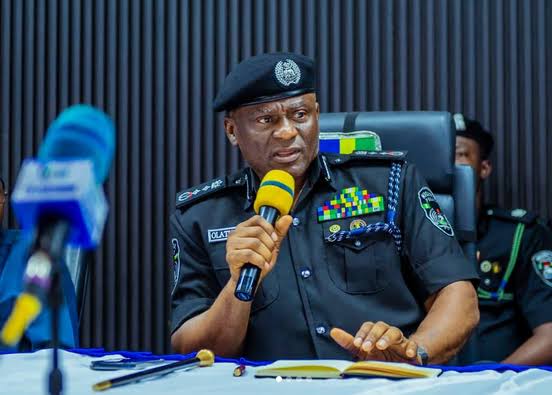
The Inspector-General of Police, Olatunji Disu, stated this while declaring open the third edition of the Crime Correspondents Association of Nigeria Annual Conference and Awards at the Nigeria Police Resource Centre in Abuja.
Disu warned that election periods carry heightened risks of violence, especially when false information, manipulated videos and inflammatory content are spread to undermine public confidence in electoral institutions.
He explained that the Force, through its National Cybercrime Centre, had stepped up monitoring of online platforms and extended cybercrime-related activities to criminal investigation departments across the country.
“As we approach the 2027 election, falsehood can be used to discourage voters, cast doubts on the credibility of the process and prepare the ground for rejecting results before a single ballot is counted,” he said.
He urged journalists covering security and electoral activities to separate verified facts from unsubstantiated allegations, warning that inaccurate reporting could inflame tensions during politically sensitive periods.
“So let me be specific about responsible electoral reporting. Report a security incident as confirmed. Separate what the source claims from what has been verified.
“Refuse to amplify a video that cannot be traced to a credible origin. And give our officers the space to respond before a story is framed in a way that makes response impossible. These are not restrictions on your freedom. They are the basis of your craft,” Disu said.
Outlining the police strategy against election-related disinformation, Disu said the National Cybercrime Centre was monitoring digital platforms for deliberately fabricated and inciting material that could threaten public safety.
“The Nigerian Police Force National Cybercrime Centre monitors online platforms for false and inciting content, and we have extended cybercrime activities to our criminal investigation departments nationwide,” he said.
He said the police were also using digital forensic capabilities to identify individuals allegedly responsible for circulating fabricated notices, misleading videos and other materials considered capable of provoking unrest.
“Secondly, we trace and we prosecute. Through digital forensics, we have identified and arrested individuals behind fabricated notices and videos,” he said.
Disu, however, insisted that the police would use their enforcement powers cautiously and only when there were genuine threats to public safety.
“Let me be clear. We apply these powers sparingly, and only where public safety is genuinely at risk, not to silence criticism or dissent,” he declared.
He said the police would also respond quickly to viral misinformation by seeking evidence and providing timely clarification rather than allowing unverified claims to circulate without an official response.
“Thirdly, we respond quickly. When a false claim goes viral, the police will seek anyone with evidence, rather than leave a vacuum,” he said.
He also announced plans to set up a dedicated verification channel for accredited crime correspondents during the election period, so journalists can confirm security-related information directly with the police.
“Finally, for the election period, we will work with this association on a clear channel for verification and requests from accredited crime correspondents so that they can confirm facts with us quickly and reliably,” Disu said.
The police chief drew attention to the growing use of artificial intelligence to produce deepfakes, warning that manipulated audio, images and videos could be used to misrepresent political figures or fabricate incidents.
He described deepfakes as media content created or altered using artificial intelligence to make individuals appear to have said or done things that never happened.
Disu maintained that the police measures were directed at deliberate fabrications and incitement, not legitimate reporting or the expression of political opinions.
He stressed that a free and responsible press remained essential to credible elections and a peaceful society, and urged journalists to exercise professional judgment when handling sensitive security information.
Earlier, Chairman of the Crime Correspondents Association of Nigeria, Festus Fifen, warned that the period before general elections is often marked by heightened political tension, complex security challenges and widespread misinformation.
Fifen said false reports, manipulated media and unverified rumours could be as dangerous as physical attacks because they can provoke communal violence, disrupt security operations and undermine confidence in electoral institutions.
He described the conference as a timely intervention aimed at strengthening cooperation between security agencies and journalists before the 2027 elections.
“This conference is therefore not a routine exercise; it is an urgent national intervention. Before 2027, we must build defences against digital warfare, align security strategies, and deepen collaboration between law enforcement and the media,” Fifen stated.
He also stressed the link between national security, economic development and democratic stability, noting that insecurity and negative perceptions of a country’s security environment can discourage investment.
“Investors read security reports before they consider any business environment, and crime correspondents help shape those reports,” he said.
The conference was themed “Navigating Security Challenges in the 2027 Election: The Role of the Media in Combating Fake News.”