The Defence Headquarters has dismissed reports of a ceasefire agreement between the Federal Government and Boko Haram, the Islamic State West Africa Province and other armed criminal groups, insisting that military operations against terrorists, kidnappers and other security threats will continue nationwide.
The military’s position follows reports alleging that the Federal Government had secretly negotiated a ceasefire with the faction of Boko Haram led by Bakura Doro.
The reported agreement, which was said to have commenced in June, allegedly contributed to a relative reduction in insurgent activities in some parts of the North-East over the past three months and was reportedly expected to be extended.
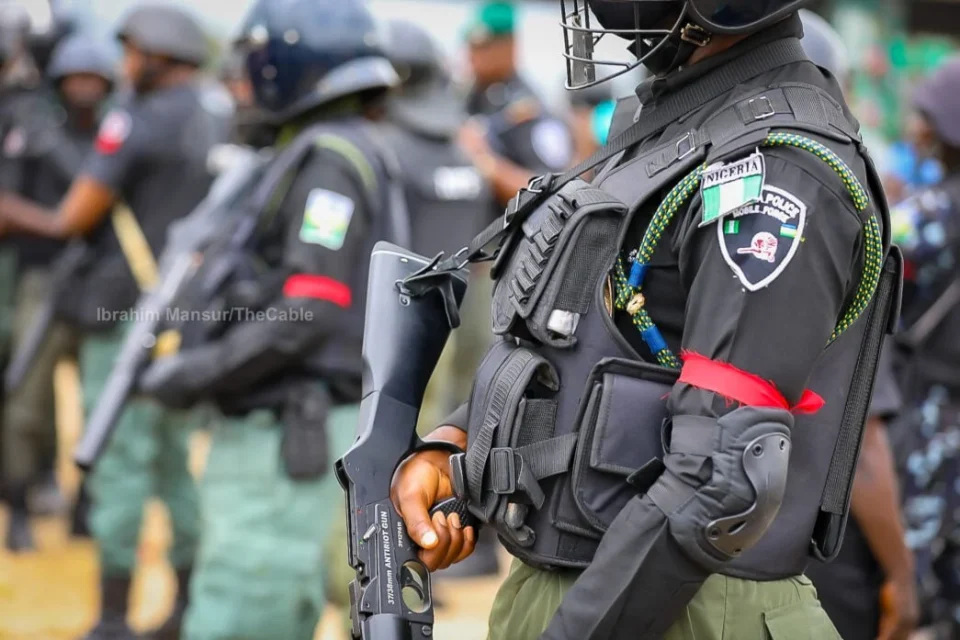
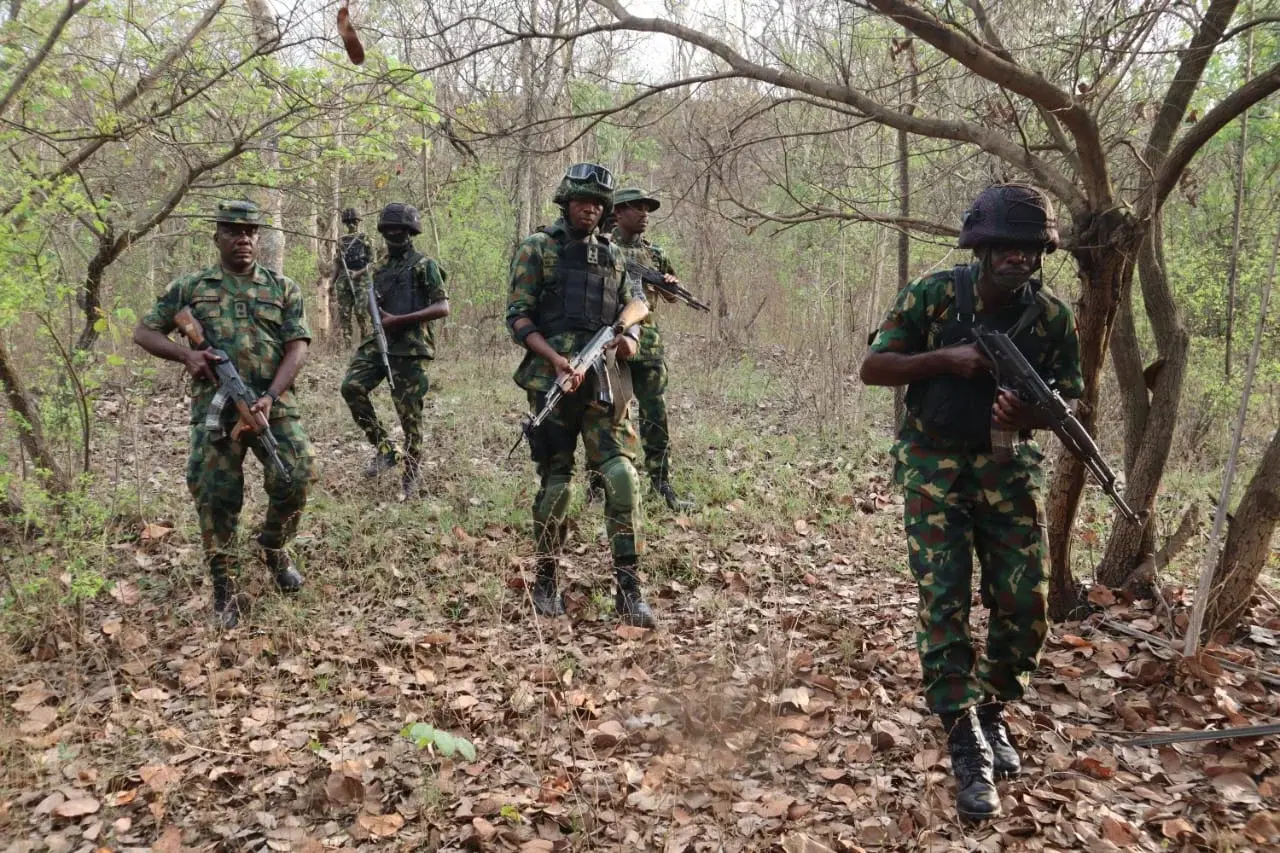
However, addressing journalists during a joint security briefing in Abuja, the Director of Defence Information, Maj. Gen. Samaila Uba, categorically rejected the claims, maintaining that troops remained actively engaged in operations against terrorist groups across the country. He pointed to the number of insurgents neutralised, suspects apprehended and kidnapped victims rescued in recent military operations as evidence of the Armed Forces’ continued offensive.
“On the issue of whether there is a ceasefire with Boko Haram, I want to make it clear that there is nothing like a ceasefire.
“Considering the terrorists neutralised, suspects arrested, victims rescued and other successes recorded across our operations, it is clear that we are not relenting.
“We will continue to sustain pressure on these criminal elements,” he added.
Uba further explained that the scope of the military’s operations extended beyond Boko Haram and ISWAP, stressing that troops were also targeting kidnappers and other armed groups responsible for attacks on innocent citizens. He maintained that the Armed Forces remained committed to tackling every criminal network threatening public safety and national security.
“Our operations are not limited to Boko Haram or ISWAP. They also target kidnappers and other criminal elements who take up arms against innocent citizens,” Uba said.
He warned that the military would continue to pursue individuals involved in violent criminal activities, noting that offenders would either be neutralised during lawful military engagements or handed over to face justice.
“Anyone involved in criminal activities that threaten the lives and security of Nigerians will either be eliminated through lawful military operations or brought to justice,” he said.
Reacting to concerns over reports that insurgents were relocating to areas where their activities had previously been limited, the defence spokesman described the development as an indication that sustained military pressure was disrupting their established positions. He, however, cautioned that the Armed Forces were closely monitoring the situation to prevent the groups from gaining ground in new locations.
According to him, troops were conducting intelligence-driven assessments to identify areas into which the insurgents might have moved, while taking preventive steps to stop them from establishing operational bases.
“The fact that some of them are leaving their former locations is a testimony to the successes of our operations. However, I assure you that we are not taking the situation lightly,” he said.
Uba also referred to the recent killing of a senior terrorist figure during an operation in a forest location, saying the development demonstrated that insurgents could not rely on any part of the country as a safe refuge.
He explained that military authorities were mapping out possible locations where fleeing insurgents could regroup, with the aim of disrupting their movements and preventing the establishment of fresh strongholds.
“What we are doing is mapping out all the locations where we believe they may have relocated and taking proactive measures to prevent them from establishing footholds in those areas,” he added.
The Director of Defence Information also disclosed that recent changes to the Armed Forces’ order of battle were designed to strengthen operational effectiveness and address security vulnerabilities. He said the establishment of additional formations, battalions and military units would improve troop deployment and reinforce security coverage in areas considered vulnerable to attacks.
He reaffirmed that the military would maintain its nationwide offensive to prevent terrorist organisations and other armed groups from expanding their activities into previously unaffected communities.
Providing an overview of the Armed Forces’ operational performance, Uba disclosed that troops carried out 588 separate security operations across different theatres between September and October.
During the period under review, he said, troops neutralised 435 terrorists and bandits, including several high-profile commanders identified as Ali Mandara, Abba Gajiri, Habu Ikkima, Nakif Yana Faruk, Commander Gogore and Abdussamad Ohida.
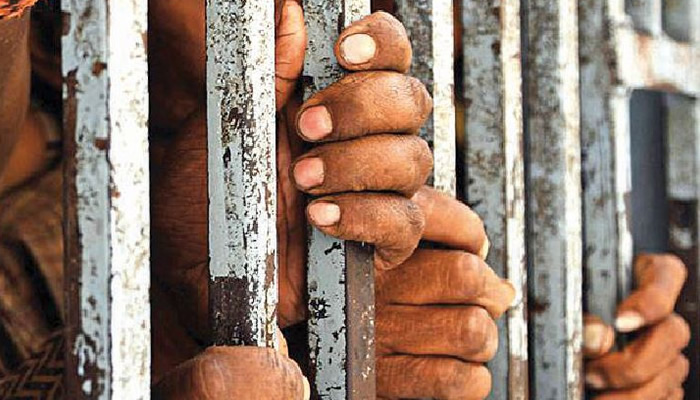
He added that a total of 809 suspects were arrested, while 198 insurgents voluntarily surrendered to military authorities. The operations also resulted in the rescue of 717 kidnapped victims and other captives from their abductors.
Among those rescued were 20 prospective members of the National Youth Service Corps (NYSC) in Owerri, Imo State, and 11 other individuals held captive in Danko-Wasagu, Kebbi State.
Uba further identified Buniyadi, Baga, Kukawa, Bittai and the Owo forest as locations where troops recorded significant tactical gains, saying the operations had substantially weakened the operational networks of the armed groups.
He also disclosed that troops recovered 5,666 items comprising arms, ammunition, explosives and Improvised Explosive Devices (IEDs), alongside other critical logistical resources used by the criminal groups.
The military maintained that the successes recorded during the period reflected its determination to sustain pressure on insurgents, dismantle their operational capabilities and prevent armed criminal groups from threatening communities across the country.