The Nigeria Democratic Congress has revoked official recognition previously granted to its chapters operating outside Nigeria, citing a court ruling reportedly prohibiting registered political parties from establishing formal branches in foreign countries.
The decision was announced on Sunday in a statement signed by the party’s National Publicity Secretary, Osa Director, according to Politics Nigeria.
The party said the move was necessary to ensure compliance with the existing judicial pronouncement, despite recognising the contributions and support of Nigerians and groups associated with it abroad.
Explaining its position, the NDC said adherence to the law and established legal procedures remained central to its operations. It noted that the subsisting court ruling had created a legal constraint on the formal recognition of party structures established beyond Nigeria’s borders.
“As a political party committed to the virtues of accountability, transparency, and due process, we are aware of a subsisting court judgement restricting political parties from organising foreign-based chapters,” the statement read.
The party identified the case of Prof. Ali Alao v. All Progressives Congress (APC) & Anor, Suit No. CV/187/2025, as the legal basis for its decision. According to the NDC, the matter culminated in a ruling delivered by Justice Peter Kekemeke of the Federal Capital Territory High Court in Abuja.
The NDC said the court determined that political parties registered in Nigeria did not possess the legal authority to establish, manage or exercise oversight over branches operating outside the country’s territorial jurisdiction. It cited the ruling as the reason for withdrawing formal recognition from its overseas chapters.
“In compliance with the judgement, the NDC is halting recognition of foreign chapters of the party, and all earlier recognitions are hereby withdrawn,” the statement added.
Although the announcement terminates the formal status previously enjoyed by the affected chapters, the party did not state that Nigerians living abroad would be prohibited from expressing support for the NDC or engaging in political conversations, provided such activities comply with applicable laws.
Alongside the withdrawal, the party disclosed that it had begun a process to harmonise its organisational structures in locations where separate groups had emerged claiming affiliation with the NDC. The exercise is intended to bring the various groups under a coordinated arrangement and address organisational challenges associated with its overseas presence.
The party also revealed that its legal department was examining the judgment to establish its full implications and determine the appropriate course of action. The outcome of the review could provide further direction on how the NDC intends to engage supporters in the diaspora without maintaining formal structures that may conflict with the court’s position.
The development has drawn attention to the legal and organisational challenges facing political parties seeking to maintain formal networks among Nigerians living abroad as preparations for the 2027 general elections gather momentum. Nigerians in the diaspora have traditionally participated in political activities through online campaigns, advocacy, financial contributions and other forms of support for candidates and parties in their home country.
However, the operation of formally recognised party branches outside Nigeria presents a distinct legal question from the ability of individual citizens abroad to support political candidates or participate in political discussions. The NDC’s announcement specifically addressed the recognition of overseas chapters and did not declare a blanket ban on political engagement by its diaspora supporters.
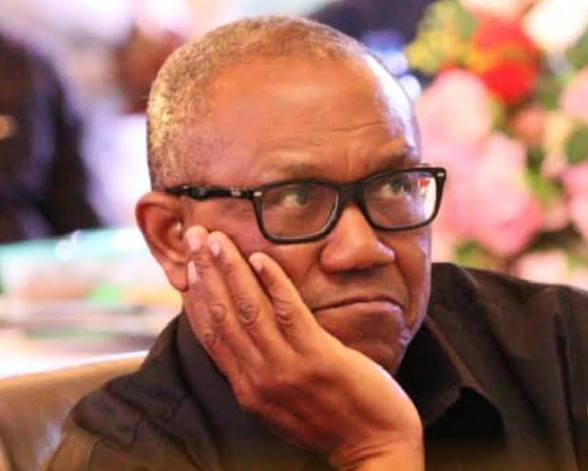
The party’s presidential candidate, Peter Obi, has reportedly attracted considerable support among Nigerians living outside the country, including individuals said to have joined the NDC. Obi, a former governor of Anambra State, contested the 2023 presidential election under the Labour Party platform, attracting significant attention from supporters both within Nigeria and abroad during that electoral cycle.
Some members of his overseas support base reportedly contributed funds and other resources to activities associated with his political movement. However, the NDC’s latest announcement centres on the legal status of its foreign-based chapters rather than any declared change in its relationship with Obi or his supporters.
The statement did not name the specific diaspora chapters affected by the decision, identify the countries in which they operate or indicate whether any particular group had been targeted because of its association with the presidential candidate. It also did not provide details of any alternative arrangements the party might adopt to sustain engagement with supporters abroad while its legal review continues.