Christian George
Children who develop large swellings and intense itching after mosquito bites are often experiencing a strong immune response rather than a dangerous allergy, according to Dr. Anna Brameli, a senior physician at the Institute of Immunology and Allergy at the Schneider Children’s Medical Center of the Clalit Group, who is advising parents on prevention and treatment as mosquito season intensifies.
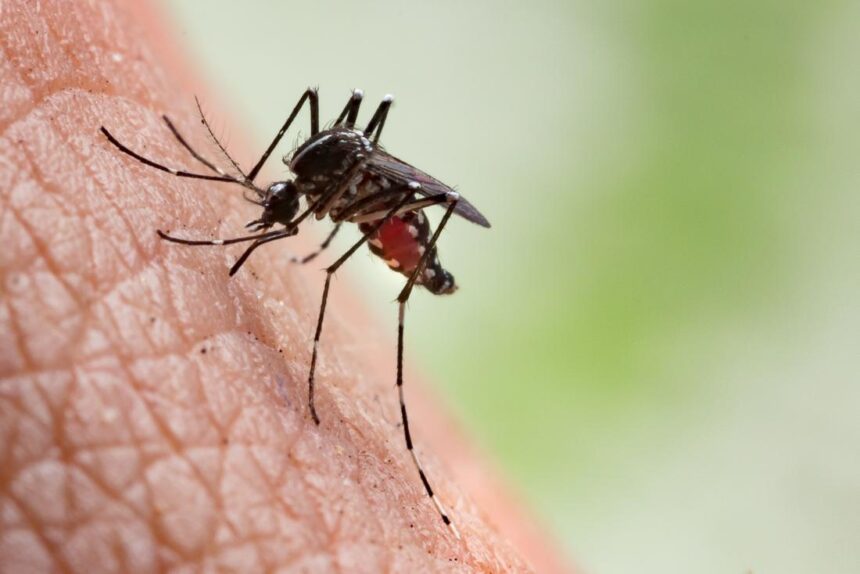
The specialist explained that the reactions, which are becoming more common among children during the summer season, occur because the body’s immune system responds to proteins in mosquito saliva injected into the skin when female mosquitoes bite. She said the response can cause redness, swelling and itching, and in some cases produce large local reactions that may appear frightening but usually resolve within days.
Dr. Brameli’s guidance comes as doctors reassure parents that severe-looking mosquito bite reactions in children are usually harmless and rarely indicate a serious allergy. She advised families to reduce exposure by using protective clothing, window screens, removing standing water and applying age-appropriate insect repellents.
The body’s reaction to mosquito bites occurs when it identifies saliva proteins as foreign substances and releases inflammatory chemicals such as histamine, leading to the familiar symptoms.
The reaction generally develops in two stages. An immediate response can appear within minutes, with swelling often peaking after about 20 minutes, while a delayed reaction may occur 24 to 36 hours later, causing harder lumps or itchy blisters that can last several days.
Some children experience a stronger allergic response known as Skeeter syndrome, which can cause significant swelling, redness, warmth and itching. In some cases, fever or enlarged nearby lymph nodes may also occur. However, specialists note that these symptoms usually disappear within three to 10 days.
Doctors emphasize that large local reactions do not typically mean a child has a dangerous mosquito allergy. Severe reactions involving fainting, low blood pressure or anaphylaxis remain extremely rare.
For symptom relief, experts recommend antihistamines to reduce itching and swelling, cold compresses for immediate comfort, and steroid creams when prescribed by a doctor.
Parents should seek medical advice if reactions are unusually severe, repeatedly interfere with daily activities, or involve symptoms affecting the whole body.
Dr. Brameli said understanding normal mosquito bite reactions can help parents know when treatment is needed and avoid unnecessary concern during mosquito season.