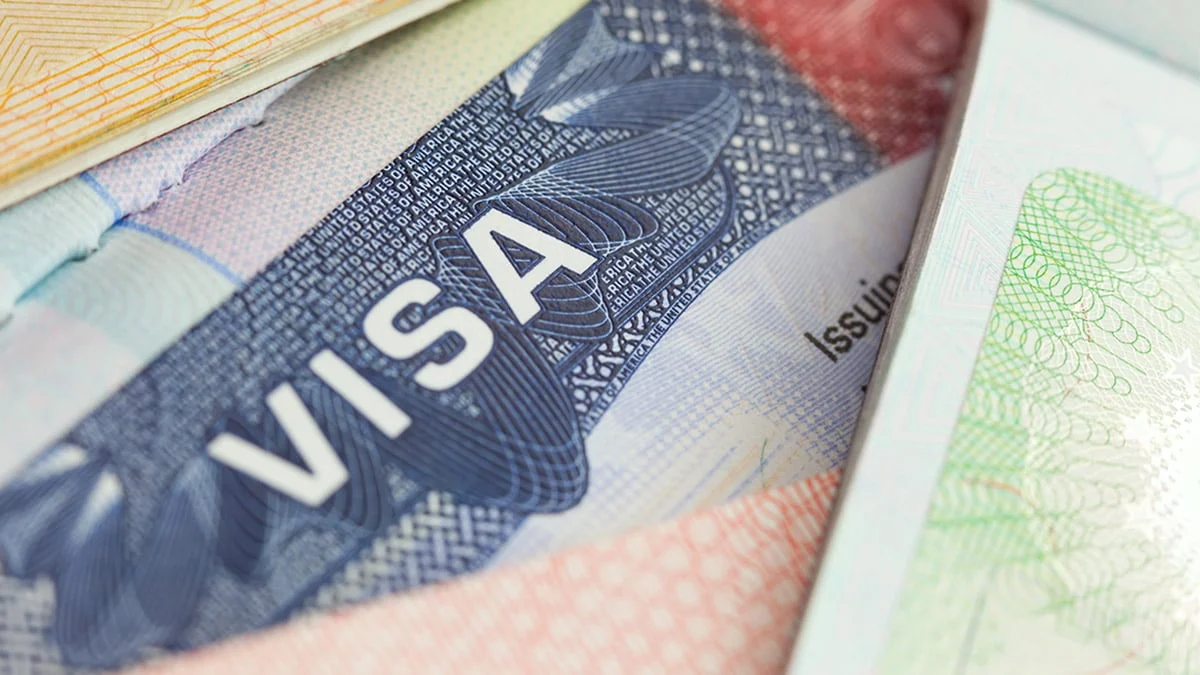
Nigeria and 49 other countries have been included in the permanent US visa bond programme, under which some business and tourist visa applicants may be required to deposit up to $20,000 before receiving a visa.
According to the US Department of State, the programme applies to eligible applicants seeking B1/B2 business or tourist visas from countries identified under its immigration compliance criteria.
The programme began as a 12-month pilot in August 2025. Following its implementation, the State Department concluded that visa bonds helped reduce overstays among travellers covered by the scheme.
A final rule published by the United States government made the programme permanent from August 3, 2026.
Under the new arrangement, consular officers may set a bond at $10,000, $15,000 or $20,000 after considering an applicant’s circumstances.
The bond is not an additional visa application fee. It is a refundable deposit designed to ensure that the traveller obeys the conditions of the visa and leaves the United States within the authorised period.
Thirty African countries affected
Thirty of the 50 countries currently covered by the US visa bond programme are in Africa.
They include Nigeria, Algeria, Angola, Benin, Botswana, Burundi, Cabo Verde, Central African Republic, Côte d’Ivoire, Djibouti, Ethiopia and Gabon.
Others are The Gambia, Guinea, Guinea-Bissau, Lesotho, Malawi, Mauritania, Mauritius, Mozambique, Namibia, São Tomé and Príncipe, Senegal, Seychelles, Tanzania, Togo, Tunisia, Uganda, Zambia and Zimbabwe.
Nigeria became subject to the programme on January 21, 2026.
Full list of 50 affected countries
The countries are listed below according to their implementation dates.
August 20, 2025:
Malawi and Zambia.
October 11, 2025:
The Gambia.
October 23, 2025:
Mauritania, São Tomé and Príncipe, and Tanzania.
January 1, 2026:
Bhutan, Botswana, Central African Republic, Guinea, Guinea-Bissau, Namibia and Turkmenistan.
January 21, 2026:
Algeria, Angola, Antigua and Barbuda, Bangladesh, Benin, Burundi, Cabo Verde, Côte d’Ivoire, Cuba, Djibouti, Dominica, Fiji, Gabon, Kyrgyz Republic, Nepal, Nigeria, Senegal, Tajikistan, Togo, Tonga, Tuvalu, Uganda, Vanuatu, Venezuela and Zimbabwe.
April 2, 2026:
Cambodia, Ethiopia, Georgia, Grenada, Lesotho, Mauritius, Mongolia, Mozambique, Nicaragua, Papua New Guinea, Seychelles and Tunisia.
How the US visa bond works
An applicant must first complete the normal visa application and attend an interview.
A consular officer will determine whether the person is otherwise eligible for a B1/B2 visa. The officer may then direct the applicant to post a bond as a condition for receiving the visa.
Applicants must not complete the bond form or make any payment unless a consular officer gives them official instructions.
Those directed to participate must complete the Department of Homeland Security’s Form I-352.
The applicant will receive a direct payment link to the US government’s Pay.gov platform. Payments made through unofficial websites or without instructions from a consular officer may not be refunded.
A relative, friend or business associate may pay the bond on behalf of the applicant. However, the payer’s name must match the name of the person identified as the obligor on Form I-352.
Paying the bond does not guarantee that the United States will issue the visa. The applicant must still pass all required screening and satisfy immigration requirements.
Travel restrictions for visa bond holders
Travellers issued visas under the programme must enter and leave the United States through approved commercial airports.
These include airports outside the country operating US Customs and Border Protection preclearance facilities.
Visa bond holders cannot enter or depart through land borders, seaports, charter flights or private aircraft under the programme.
The restrictions allow US authorities to properly record the traveller’s arrival and departure before deciding whether to refund the bond.
When the bond will be refunded
The bond will be cancelled and refunded when immigration authorities confirm that the traveller left the United States on or before the authorised departure date.
It will also be refunded if the visa holder does not travel to the United States before the visa expires.
A refund will equally apply when US immigration officials deny the traveller entry at an approved port of entry.
The money will be returned to the person who paid the bond, provided the traveller did not breach its conditions.
When the bond may be forfeited
The United States may retain the full bond if the traveller remains in the country beyond the authorised period.
The bond may also be forfeited if the visa holder fails to leave after the approved stay expires or seriously violates the conditions attached to the visa.
Certain attempts to change immigration status may also be reviewed as possible violations, depending on the timing and circumstances.
The Department of Homeland Security will assess suspected breaches and notify the person who paid the bond of its decision.
Programme targets visa overstays
The State Department said it considers visa overstay rates, identity-verification systems, information sharing and document security when selecting countries.
During the first 10 months of the pilot programme, about 20,000 visa applications became subject to bond requirements.
Close to half of those applicants paid the required deposits, while others apparently decided not to continue with their applications.
The department said B1/B2 visa issuance among covered countries dropped sharply during the pilot period.
It added that fewer than 50 overstays were recorded among travellers from the 50 participating countries during the period, compared with 45,488 overstays in the 2024 financial year.
The US government said the permanent programme would encourage travellers to comply with immigration laws and pressure affected countries to improve identity verification and information sharing.