The White House has accused more than 40 countries of helping China avoid billions of dollars in United States tariffs by routing exports through countries with lower import duties.
In a report released on Thursday, the US named countries including Canada, India, Mexico, Japan and South Korea as part of what it described as a global transshipment network used to bypass American trade restrictions.
White House trade adviser Peter Navarro said the practice had harmed the US economy.
“It has cost American jobs and billions in revenue,” Navarro said.
According to the report, goods worth between $30 billion and $300 billion were rerouted through third countries to avoid higher tariffs imposed on Chinese exports.
The White House described the practice as “fraud cloaked in paperwork,” alleging that Chinese companies repackage goods or change their country of origin to qualify for lower US import duties.
“What has changed in today’s Great Transshipment Scam is not merely the speed and scale of this modern form of smuggling, but the breadth, depth, and sophistication of the global Shadow Transshipment Network through which China’s tariff evasion now moves,” the report stated.
US officials also said artificial intelligence tools are now being used to detect transshipment activities and strengthen enforcement.
Responding to the allegations, a spokesperson for the Chinese Embassy in Washington rejected the claims, saying Beijing opposes the use of tariffs and unilateral trade measures.
“Trade wars have no winners,” the spokesperson said.
The embassy also warned that “any unilateral actions or agreements concerning transshipped goods must not target or harm the interests of third parties.”
The US has contacted several countries named in the report for comments, but no official responses had been released as of the time of filing this report.
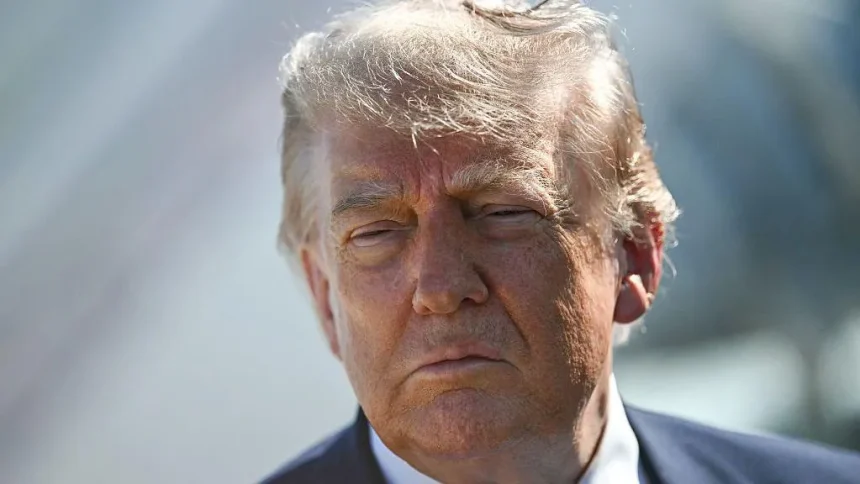
The report comes ahead of a planned meeting between US President Donald Trump and Chinese President Xi Jinping in Washington in September.
Although both countries agreed to suspend most tariffs after trade talks in May 2025, tensions have continued through new sanctions and export restrictions, including US limits on Chinese technology and China’s tighter controls on drone exports.
Trump first introduced broad tariffs on dozens of trading partners in April 2025, arguing that the measures would protect American jobs and strengthen the US economy.
While the US Supreme Court later struck down some of those tariffs, the Trump administration has continued to impose new duties through other legal measures.