The Federal Government on Monday raised fresh concerns over the growing burden of foodborne diseases in Nigeria, revealing that unsafe food causes more than 53,000 deaths and nearly 50 million illnesses annually across the country.
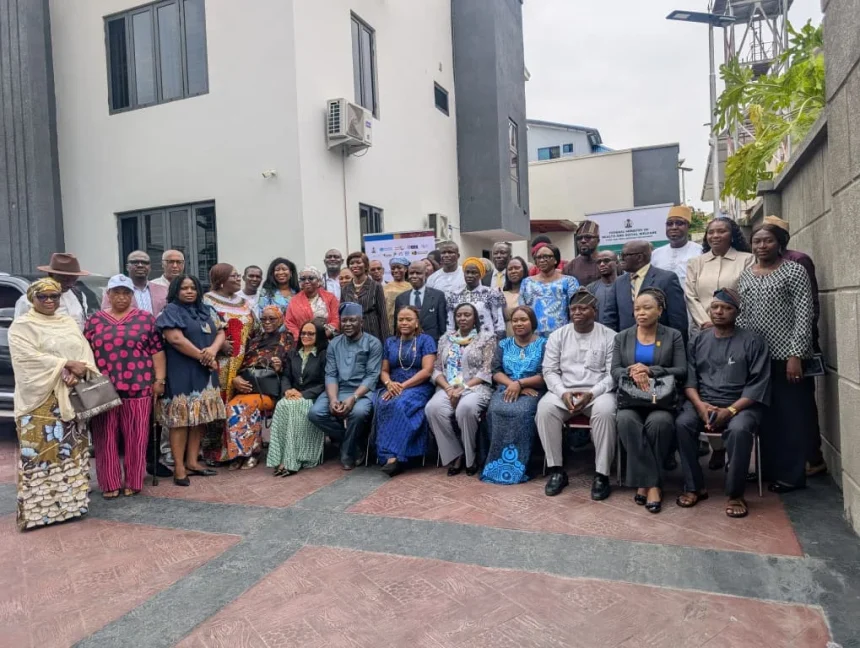
The Minister of State for Health and Social Welfare, Iziaq Salako, disclosed this in Abuja during a ministerial press briefing to commemorate the 2026 World Food Safety Day, themed “From Burden to Solutions – Safe Food Everywhere.”
Salako described food safety as a critical national development and health security issue, warning that the true cost of unsafe food extends beyond sickness and death to the loss of human capital, particularly among children.
According to him, Nigeria loses an estimated 4.26 million years of healthy life annually to foodborne diseases through illness, disability and premature death.
“Nigeria records nearly 50 million foodborne illnesses every year, and unsafe food causes more than 53,000 deaths annually in our country. Together, these illnesses and deaths result in a staggering 4.26 million years of healthy life lost to illness, disability or early death,” the minister said.
He noted that children under five account for more than 80 per cent of the country’s foodborne disease burden.
“Most of this burden falls heavily on children under five, who account for more than 80 per cent of all foodborne disease burden in Nigeria. The true cost of unsafe food in Nigeria is not only measured in sickness and death, but also in the lost cognitive, physical and developmental potential of our children,” Salako added.
The minister’s remarks came on the heels of newly released estimates by the World Health Organisation showing that unsafe food causes about 866 million illnesses and 1.5 million deaths globally each year, with Africa bearing the highest per-capita burden.
According to Salako, diarrhoeal diseases remain the leading cause of foodborne illnesses in Nigeria, with more than 40 million cases linked to pathogens such as Salmonella, Escherichia coli, Campylobacter, Shigella and rotavirus.
“Over 40 million diarrhoeal illnesses in Nigeria are linked to foodborne pathogens. These infections continue to be a major cause of hospitalisation, malnutrition and mortality among our youngest citizens,” he said.
He also warned of increasing exposure to chemical contaminants. “Chemical hazards are also emerging as a serious concern, with lead exposure responsible for tens of thousands of healthy lives lost through contaminated grains, spices and water sources. These numbers underscore the urgency of strengthening food safety systems across the entire value chain,” he stated.
The minister stressed that the latest figures should serve as a wake-up call. “The new WHO estimates are a call to action. We must intensify surveillance for heavy metals and chemical contaminants. We must improve food safety practices in traditional and informal markets where most Nigerians buy their food. We must strengthen hygiene, water and sanitation infrastructure and ensure food business operators comply with national standards,” he said.
The Director-General of the National Agency for Food and Drug Administration and Control, Prof. Mojisola Adeyeye, represented by the Director of Food Safety and Applied Nutrition Directorate, Eva Edwards, said strengthening food safety systems remains critical to reducing the country’s burden of foodborne diseases.
“At NAFDAC, we remain firmly committed to contributing to reducing the burden of foodborne disease through science-based regulation, effective surveillance, strengthened food control systems and robust stakeholder engagement,” she said.
Meanwhile, the Corporate Accountability and Public Participation Africa called for stronger regulatory measures to address the growing burden of diet-related diseases in Nigeria. CAPPA Executive Director, Akinbode Oluwafemi, said food safety is not only about preventing food poisoning but also about ensuring that foods and drinks available to Nigerians do not slowly undermine their health and wellbeing.