




Severe flooding across Thailand has disrupted manufacturing and air cargo operations, forcing Toyota to temporarily halt production at several facilities while Thai Airways has suspended cargo services amid widespread transport difficulties.
Toyota (7203.T) said flooding had interrupted deliveries of parts to its operations in Thailand, prompting the temporary closure of three manufacturing plants and a facility operated through its Toyota Auto Works joint venture.
A Toyota spokesperson said the company was working with suppliers to restore disrupted deliveries and resume production as quickly as conditions permit.
The disruption comes after Bangkok experienced exceptionally heavy rainfall late last week. The capital received about 320 millimetres (12.6 inches) of rain over three days, an amount close to the city’s typical rainfall for the entire month of September. Authorities subsequently designated Bangkok as a disaster-affected area.
Thai Airways (THAI.BK) has also been affected, with flooding preventing many employees from reaching their workplaces. The national carrier said it had suspended the acceptance of inbound and outbound cargo beginning Wednesday and extending through October 6.
The airline said cargo services would “resume as soon as possible.”
The floods have caused significant disruption across the country, with government figures indicating that dozens of provinces have been affected. The Interior Ministry reported that at least 24 people had died and that flooding had reached 44 of Thailand’s 77 provinces, with 32 provinces still experiencing flooding on Wednesday.
Government Spokesperson Ekkapob Pianpises gave a higher death toll of 40, citing figures from the Health Ministry. He said authorities were pumping floodwater from Bangkok into canals in an effort to restore normal conditions for residents within two or three days.
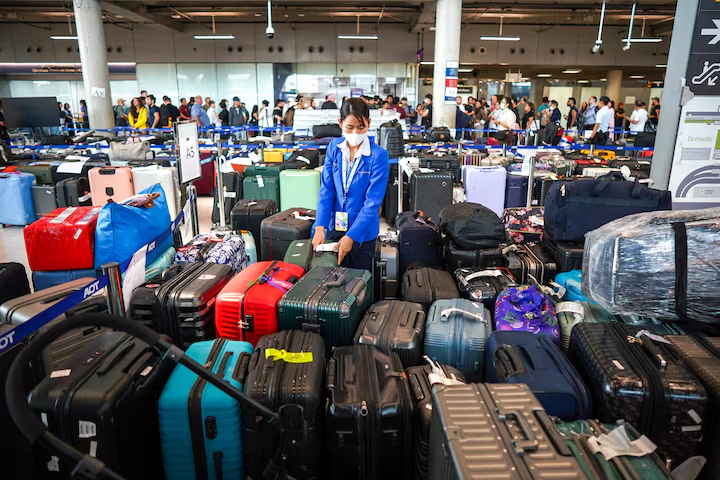
Thailand’s aviation sector has also faced severe disruption. While Bangkok’s major airports remained operational, flooding created extensive problems at Suvarnabhumi Airport on Tuesday. About half of the airport’s workforce was unable to report for duty, leaving thousands of bags stranded and contributing to widespread flight cancellations.
The disruptions highlight the broader economic impact of the flooding, with damage extending beyond residential areas to manufacturing supply chains, aviation and cargo transportation.