




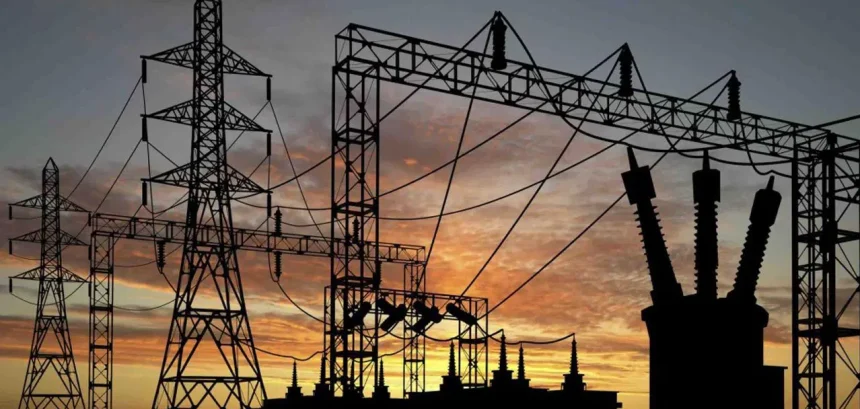
The Eko Electricity Distribution Company and the Transmission Company of Nigeria are trading blame over the reason for the drop in power supply allocation to areas under Eko Disco, which serves parts of Lagos and Ogun states.
Eko Disco, in a statement on X on Friday, blamed constraints on the national grid and low generation for the reduction in its power supply allocation. According to the disco, its power supply allocation dropped from 486 megawatts to 347MW.
Consequently, the disco said the reduction in power allocation had impacted electricity supply to its customers in southern parts of Lagos and the Agbara industrial communities in Ogun State.
“Due to constraints on the national grid and low generation from a major power source, our power allocation has dropped from 486MW to 347MW. To manage the shortfall equitably, supply to some feeders, including Band A, has been temporarily adjusted. We are working with our transmission partners to restore allocation and will shift the reduction to lower-tier feeders where possible. Normal supply will be restored as soon as allocation improves,” Eko Disco stated.
However, TCN refuted Eko Disco’s position on the reason for the power outage. It said no outage occurred on its T11 transformer, contrary to the claim by EKEDC. TCN explained that the incident was strictly related to EKEDC’s Oniru 33kV and Agungi 33kV feeders.
According to TCN, the incident involved the simultaneous tripping of EKEDC’s Oniru 33kV and Agungi 33kV feeders at 4:34 a.m. on August 26, 2026, due to overcurrent and an earth fault. “The fault resulted in the inter-tripping of TCN’s TR1-60MVA 132/33kV transformer primary and secondary breakers, accompanied by a heavy bang and smoke,” the company stated.
TCN said its maintenance crew promptly responded, rehabilitated the damaged secondary breaker, and restored both primary and secondary breakers later that same day. However, upon EKEDC’s trial closure of its Oniru feeder, the same relay indications caused another trip, necessitating further corrective work.
The conflicting explanations have left electricity consumers in the affected areas seeking clearer information on the actual cause of the power reduction. Many have taken to social media to express frustration over the technical disputes between the two agencies as they continue to experience outages.