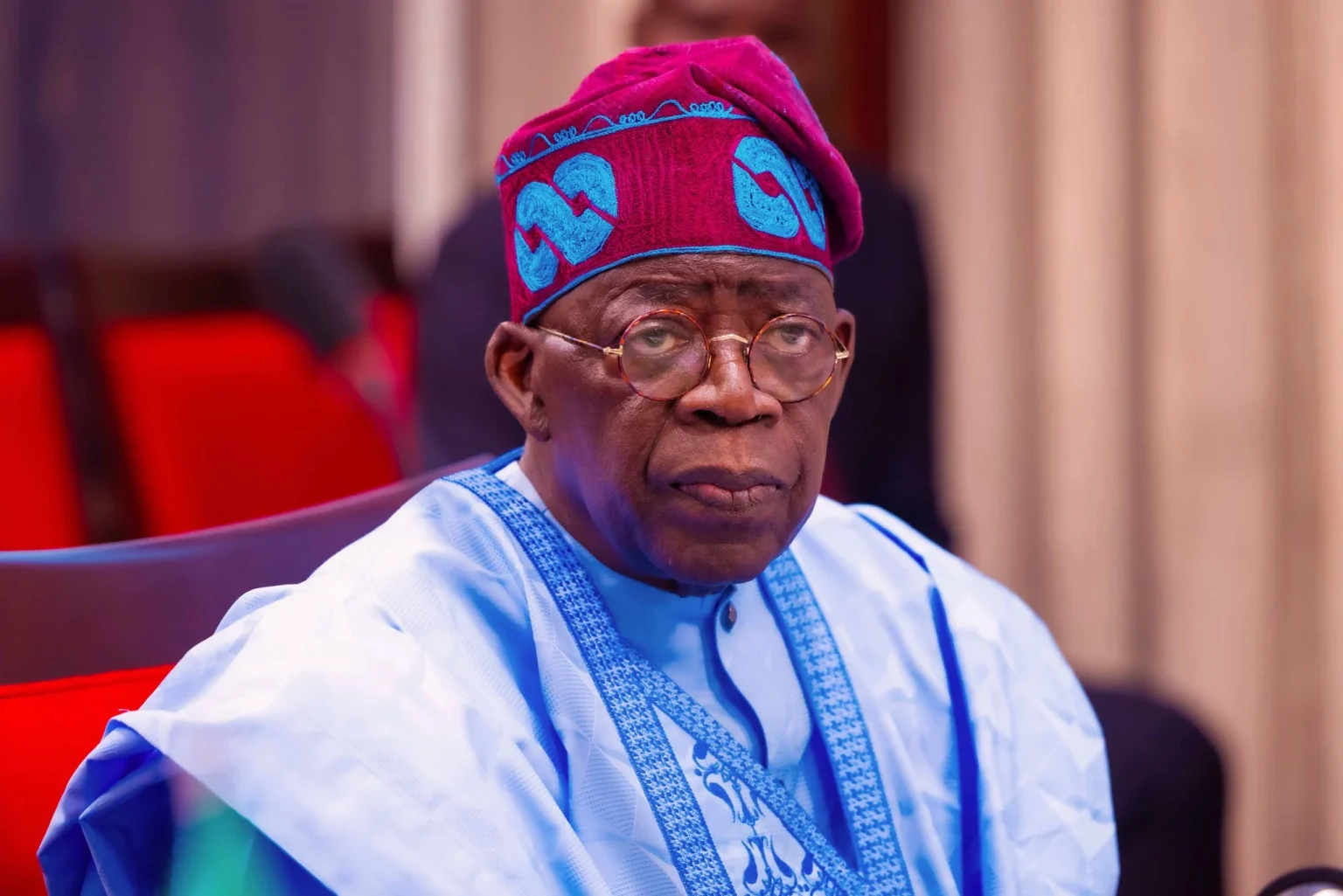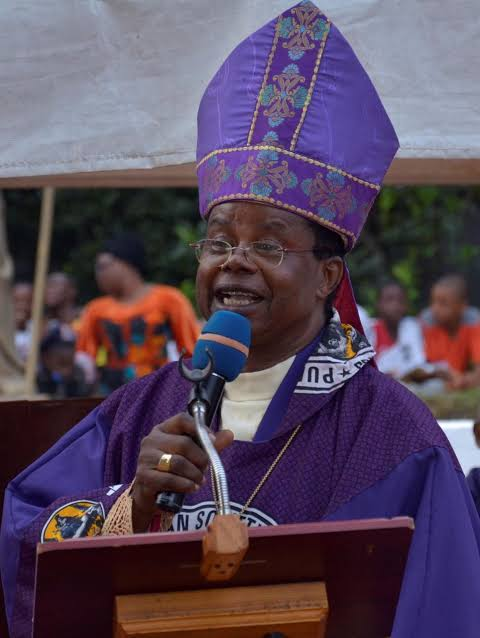
The Catholic Bishop of Awka Diocese, Most Rev. Paulinus Chukwuemeka Ezeokafor, has criticised President Bola Tinubu over Nigeria’s persistent electricity challenges, describing the administration’s Renewed Hope agenda as “Renewed Hopelessness.”
Speaking at the Catholic Laity Council of Nigeria’s Annual Seminar and Award Ceremony in Awka, Anambra State, on Saturday, November 21, 2026, the cleric questioned how a president who promised Nigerians reliable electricity would rely on solar panels.
He added that in a properly functioning country, such an action would warrant impeachment by the House of Representatives.
Bishop Ezeokafor’s remarks are the latest in a series of critiques from religious and civil society leaders over the country’s deteriorating power sector.
Nigeria has grappled with a nationwide electricity crisis in recent months, with the national grid experiencing multiple collapses and partial disturbances. In October 2026, power generation plunged from 3,840 megawatts to about 477MW after multiple trippings on the 330-kilovolt transmission network, leaving homes and businesses in darkness. The Nigerian Independent System Operator attributed the decline to gas supply constraints and reduced output from hydroelectric plants.
The situation has forced many Nigerians, including government institutions and businesses, to rely on alternative energy sources, particularly solar panels and generators, to power their operations. The Presidency itself has come under scrutiny after it was reported that Aso Villa and other government buildings had installed solar systems to augment power supply.
Bishop Ezeokafor argued that the reliance on solar panels by the President and his officials, despite promises of stable electricity for all Nigerians, was a mark of failed leadership.
“The Renewed Hope has become Renewed Hopelessness. You promised Nigerians stable electricity, and now you are relying on solar panels. In a properly functioning country, the House of Representatives would have initiated impeachment proceedings over this,” he said.
President Tinubu campaigned in 2023 on a Renewed Hope agenda, which included promises to fix Nigeria’s power sector, attract investment, and ensure stable electricity supply.
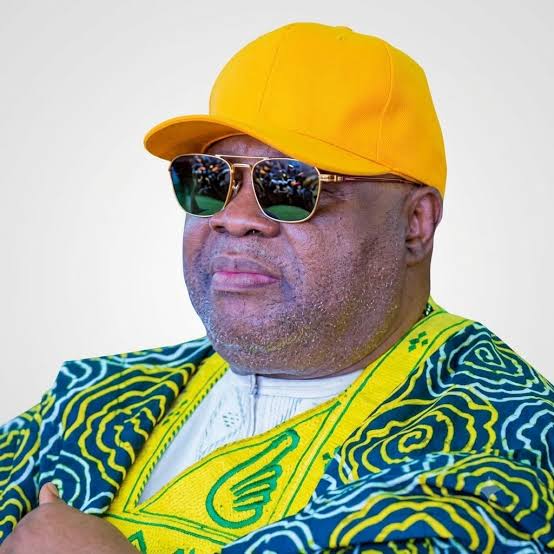
In May 2026, the President approved the sale of five National Integrated Power Project plants to fund the 2026 budget, a move critics argued was short-sighted. The government also announced plans to develop new eastern and western power grids to address recurring failures, while the Minister of Power, Adebayo Adelabu, repeatedly assured Nigerians that the grid would stabilise.
However, the recurring grid collapses and the government’s own reliance on alternative power sources have undermined those assurances, giving traction to criticisms like Bishop Ezeokafor’s.
The bishop is not alone in his criticism. In November 2026, former President Olusegun Obasanjo accused the Tinubu administration of failing to address the country’s power challenges despite huge federal allocations. The Emir of Kano, Muhammadu Sanusi II, had earlier praised the administration for economic improvements but criticised its communication strategy, saying it sees every suggestion as an attack.
Bishop Ezeokafor, known for his outspoken stance on national issues, has previously criticised the government over insecurity, poverty, and the rising cost of living. He has consistently urged political leaders to prioritise the welfare of Nigerians over personal ambitions.