Nobel Laureate, Prof. Wole Soyinka, has called on President Bola Tinubu to reopen investigations into unresolved cases of assassinations and extrajudicial killings in order to rebuild confidence in Nigeria’s justice system.
Soyinka made the appeal on Friday in Port Harcourt, Rivers State, while delivering remarks at the 28th Wole Soyinka Lecture organised by the National Association of Seadogs (Pirates Confraternity).
The lecture, themed “Reclaiming the Nigerian State through Accountability, Justice and Civic Courage,” was held alongside the association’s annual Martyr’s Day celebration.
The renowned playwright said Nigeria had endured a troubling history of unconstitutional arrests, unlawful detention, unresolved assassinations and extrajudicial killings, adding that successive administrations had failed to secure justice for many victims and their families.
“This lecture is dedicated to the martyrs, to those who have needlessly and avoidably had their lives wasted,” he said.
Soyinka noted that several Nigerians had lost their lives through actions of state agencies and other individuals without anyone being held accountable.
He referenced the killing of a student in Sokoto State, Deborah Samuel, describing the incident as one of Nigeria’s unresolved tragedies.
According to him, the death of the female student, who was allegedly killed by classmates, reflected the country’s persistent failure to deliver justice.
“The crime is not only the killing. The greater crime is the silence that followed and the failure to hold those responsible accountable,” he added.
The playwright argued that a nation where citizens could be killed by state actors in public spaces without consequences had failed in its responsibility to protect lives.
He rejected claims that discussions about such incidents were aimed at creating religious or ethnic tensions, insisting that the defence of human life remained central to democratic governance.
“I want the justice system in Nigeria not to fail us again. I don’t want it to create a pattern of impunity where human lives are treated as disposable,” he said.
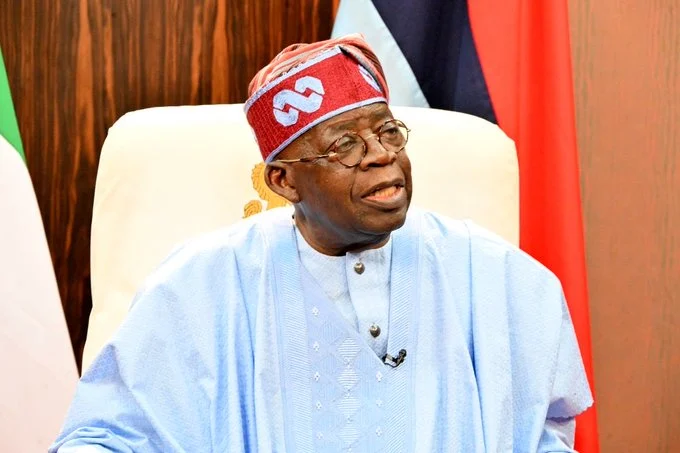
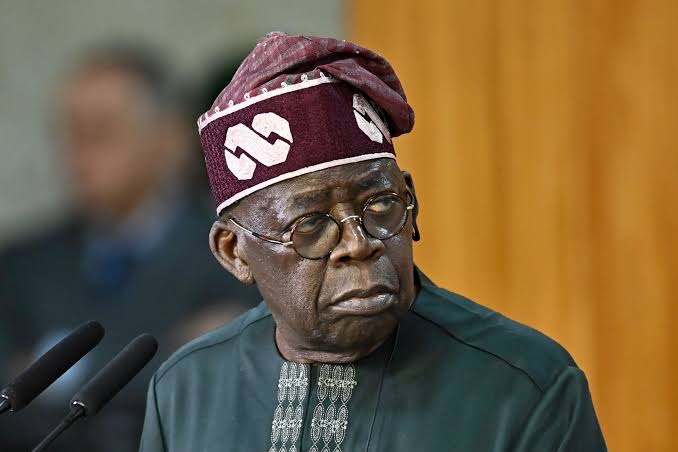
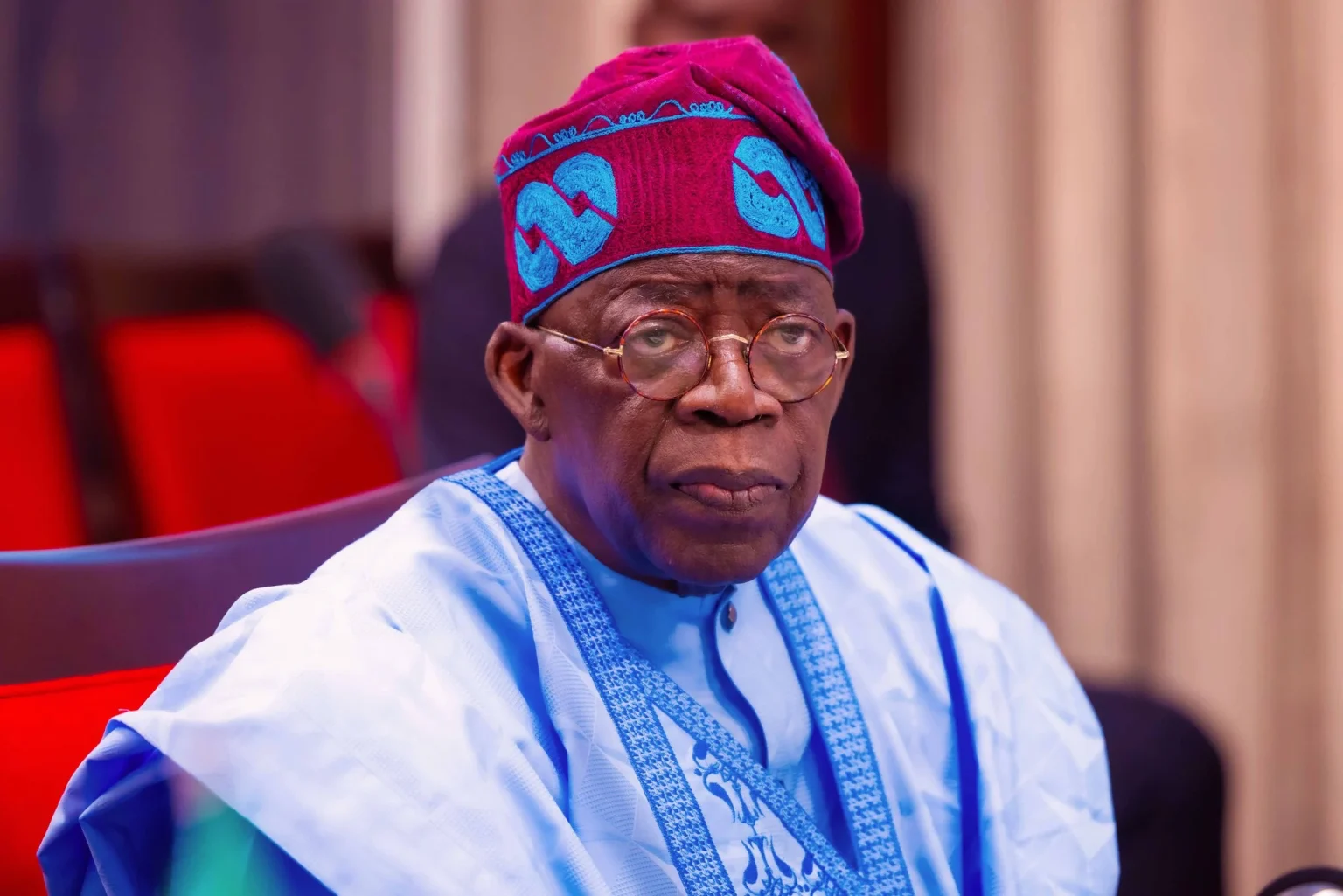
The elder statesman recalled that President Tinubu, shortly after taking office in 2023, had requested files relating to unresolved assassinations and extrajudicial killings.
He urged the President to release the outcome of those reviews and ensure that those responsible for wrongdoing faced justice.
“I want Nigerians to join me in asking President Tinubu to bring out those files. We want to know what happened, why it happened and who should be held accountable,” he said.
Soyinka explained that the lecture was designed to remind Nigerians of their shared duty to defend justice, accountability and human dignity.
He encouraged citizens to resist impunity and collectively support the creation of a society built on fairness, responsibility and respect for human life.
In his keynote address, former Minister of Aviation, Osita Chidoka, stated that justice begins before disputes get to the courtroom.
Chidoka said the justice process starts with the manner in which security agencies respond to complaints, stressing that decisions must be guided by merit rather than outside pressure.
He disclosed that about 64 per cent of inmates in Nigeria’s custodial centres were awaiting trial, with more than 50,000 citizens detained without convictions.
“Each of these 50,000 is a life in suspension, When the state causes that delay and citizens pay with their liberty, the delay becomes a form of violence,” he said.
The former minister maintained that justice must apply equally to all Nigerians regardless of political ties, ethnic background or social standing.
”The law is not established when it protects only our family and friends. Justice must defend the accused, the unpopular, the political opponent and the minority,” Mr Chidoka added.
Earlier, the chairman of the occasion and former Managing Director of the Niger Delta Development Commission (NDDC), Timi Alaibe, identified tribalism, weak institutions and poor accountability as major factors hindering Nigeria’s progress.
Alaibe said the country was blessed with significant human and natural resources but had continued to struggle because of institutional weaknesses and inconsistent implementation of policies.
He argued that Nigeria’s main challenge was not the lack of solutions but the inability to implement known solutions effectively.
“Too often, the institutions, designed to hold power accountable, have been weakened, while justice remains a privilege rather than a right for many Nigerians,” he said.
The former NDDC managing director noted that the National Association of Seadogs was established on principles opposed to colonialism, ethnic chauvinism, clannishness and partisanship.
He stressed that achieving accountability required more than legislation, as citizens and institutions must also demonstrate the courage to uphold justice without fear or favour.
“Reclaiming the Nigerian state will not come through one dramatic event but through the steady accumulation of principled choices by citizens, institutions and leaders,” Mr Alaibe said.