A senior Pentagon policy official has cautioned that future military assistance to Ukraine cannot continue to rely on the United States, increasing pressure on European nations to assume a leading role, according to a report by Politico.
Speaking during this week’s Ukraine Defense Contact Group meeting in Berlin, and in remarks later shared on X, Elbridge Colby highlighted that Washington’s support had depended significantly on “drawing down finite U.S. stockpiles,” an approach he indicated is no longer viable.
“Europe must accelerate its assumption of primary responsibility for the conventional defense of the continent,” Colby said. “This is not a matter of choice, but of strategic necessity.”
He further stressed that ongoing aid to Kyiv “must not rely on significant U.S. contributions,” urging European allies to increase both funding and weapons production.
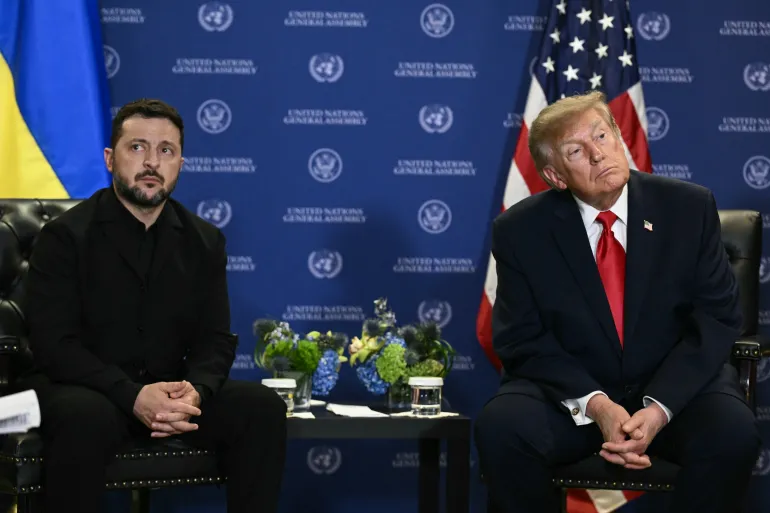
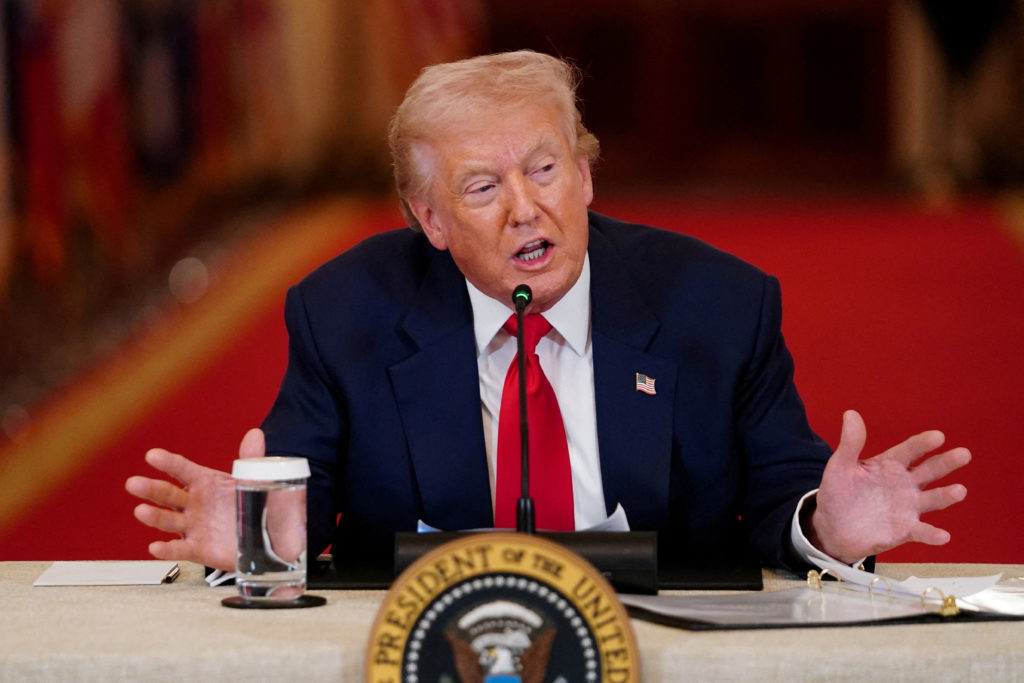
Under President Donald Trump, new American military aid to Ukraine has nearly ceased. However, the United States remains open to selling weapons to Kyiv, funded by allies through NATO’s Prioritised Ukraine Requirements List program, which secured €3.7 billion for arms procurement last year.
Data from the Kiel Support Tracker showed that U.S. military assistance to Ukraine dropped by 99 percent in 2025. “At the same time, Europe sharply increased its aid allocations, by 59 percent for financial and humanitarian aid and by 67 percent for military aid compared to the 2022–24 average. As a result, total aid in 2025 remained close to previous years,” it stated.
Vice President JD Vance also endorsed the shift, expressing pride in the administration’s decision to halt direct military aid. “It’s one of the things I’m proudest that we’ve done in this administration is we’ve told Europe that if you want to buy weapons, you can, but the United States is not buying weapons and sending them to Ukraine anymore,” he said at a Turning Point USA event.
At the same time, U.S. resources — along with those of Gulf allies — are being stretched due to the ongoing conflict with Iran involving the United States and Israel, prompting calls to rebuild stockpiles of air defense systems that Ukraine also urgently needs.
Colby emphasized the importance of focusing on “the most consequential threats to Americans,” pointing to a broader strategic shift already underway.
Meanwhile, European nations used the Berlin meeting to announce new commitments to Ukraine, focusing on drones, air defense systems, and long-range strike capabilities.
Germany revealed plans to fund additional Patriot air defense missiles to be produced domestically, alongside IRIS-T systems and financial support for long-range drones manufactured in Ukraine.
The United Kingdom pledged 120,000 drones as part of its annual military aid package, while the Netherlands committed hundreds of millions of euros toward drone capabilities. Belgium and Spain also announced additional funding targeting air defense, artillery, and fighter jet support.
Despite increased European contributions, Ukraine continues to face critical shortages in air defense systems needed to counter Russian ballistic missile attacks, with production capacity struggling to meet demand.
Colby reiterated that addressing these gaps will require sustained effort. “Europe must put the defense of the continent and, by extension, its military support for Ukraine on a truly sustainable footing,” he said, calling for a stronger defense industrial base.