



Oil prices climbed above $108 a barrel on Tuesday. Renewed attacks on Saudi Arabia and the shutdown of a major pipeline deepened fears over global energy supplies.
According to Reuters, Brent crude rose to $108.18 per barrel. Meanwhile, US West Texas Intermediate climbed to $103.85 as traders reacted to growing instability in the Middle East.
The latest rise followed renewed attacks by Yemen’s Iran-aligned Houthi movement on Saudi Arabia, including strikes targeting energy infrastructure.
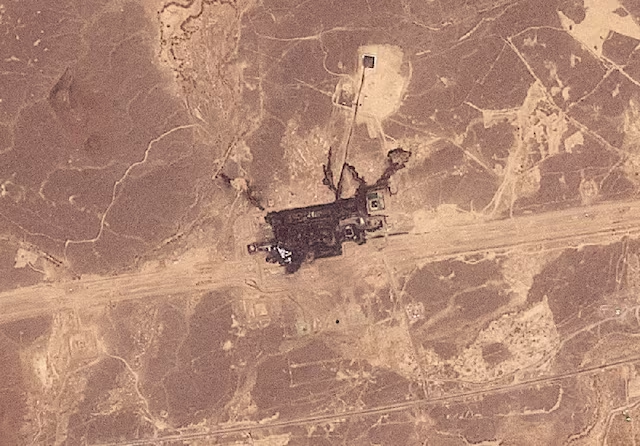
Saudi Arabia’s East-West pipeline remains offline after an earlier attack. This has raised concerns about the kingdom’s ability to maintain exports if repairs are delayed.
Supply concerns intensify
The pipeline is particularly important because it allows Saudi crude to bypass the Strait of Hormuz. Shipping in the Strait of Hormuz has already been disrupted by regional tensions.
Traders and oil buyers have warned that Saudi Arabia could begin running short of export stocks within days. This risk increases if the pipeline is not restored.
The disruption could threaten as much as four per cent of global oil supply, adding pressure to already elevated prices.
Saudi Arabia has enough oil stored at ports to maintain exports for only about five to seven days. This is according to industry sources cited by Reuters.
The kingdom has not publicly indicated how long repairs to the pipeline will take.
Analysts warn prices could rise further
The worsening supply outlook has also prompted fresh warnings from market analysts.
Goldman Sachs analysts have said Brent crude could climb towards $120 to $130 per barrel if disruptions continue. Moreover, prices could rise if damaged infrastructure takes longer to repair.
Shipping activity through the Strait of Hormuz has also fallen sharply as security concerns intensify.
The latest surge in oil prices adds to fears that the Middle East conflict could fuel inflation. It could also increase energy costs for countries heavily dependent on imported crude and petroleum products.