Nigeria’s worsening Lassa fever outbreak has intensified concerns over the country’s public health response following the latest data released by the Nigeria Centre for Disease Control and Prevention.
As of epidemiological week 24 of 2026, the agency reported 214 deaths, while the case fatality rate climbed to 25 per cent, compared with 18.8 per cent recorded during the same period in 2025.
The figures indicate that one out of every four confirmed Lassa fever patients is now dying, raising fresh questions about the effectiveness of existing prevention and treatment measures, according to Daily Trust.
Public health experts say the increasing mortality rate demands an emergency response beyond the routine publication of disease surveillance reports.
Unlike previous years when Lassa fever was largely associated with the dry season, the disease has continued to spread almost year-round over the past two years, with only variations in the number of reported infections. The shift has underscored the need for stronger surveillance systems, improved preparedness and rapid emergency interventions capable of containing outbreaks before they escalate. However, observers note that such measures have yet to be fully implemented.
Although the NCDC has continued to monitor infections and provide periodic updates, concerns remain that surveillance alone cannot halt the spread of an endemic disease that continues to affect multiple states and claim hundreds of lives annually. Stakeholders argue that the outbreak should now be treated as a national public health emergency requiring sustained government intervention.
The continued infection and death of frontline health workers have further highlighted weaknesses in the country’s health system. Doctors, nurses, laboratory scientists and other medical personnel have contracted the disease while attending to patients, exposing deficiencies in infection prevention and control measures. The situation has renewed concerns about inadequate supplies of personal protective equipment, limited access to rapid diagnostic tools and insufficient isolation facilities in many health institutions.
These concerns mirror earlier warnings contained in an editorial titled Lassa fever and a failing shield, which argued that despite repeated outbreaks, Nigeria continued to rely on weak surveillance structures, overstretched healthcare facilities and inadequate investment in preparedness. The editorial also cautioned that temporary responses to recurring outbreaks could not replace the need for a resilient public health system, a concern recent developments appear to have reinforced.
The increasing fatality rate has also been linked to delayed diagnosis and treatment. Across many parts of the country, primary healthcare centres are still unable to promptly identify suspected infections, while referral mechanisms and laboratory services remain inadequate to meet existing demands. Health experts maintain that these longstanding structural challenges require continuous investment rather than seasonal interventions.
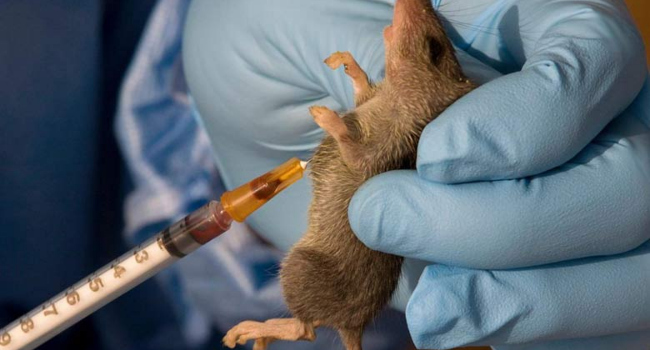
Prevention at the community level has also remained a critical aspect of disease control. Since the multi-mammate rat serves as the principal reservoir of the virus, specialists continue to advocate improved environmental sanitation, proper food preservation, effective waste disposal and sustained public awareness campaigns. They argue that communities in endemic areas require continuous education instead of seasonal sensitisation efforts that diminish once infection rates decline.
Health stakeholders also believe Nigeria must adopt a more comprehensive long-term strategy to address the disease. Since Lassa fever was first identified in the country in 1969 following an outbreak in the town of Lassa in present-day Borno State, it has remained one of West Africa’s most persistent infectious diseases. Despite more than five decades of experience managing the disease, Nigeria continues to depend significantly on international partners for research, diagnostic support and technical assistance.
Analysts contend that, like Ebola, which attracted extensive scientific investment following major outbreaks across Africa, Lassa fever requires a coordinated research programme driven by Nigeria itself. They argue that relying on foreign donor agencies for scientific breakthroughs is unsustainable, particularly when Nigerian universities and research institutions possess the expertise required to contribute meaningfully to vaccine development and disease control.
Attention has also focused on recent efforts by the Tertiary Education Trust Fund (TETFund) to promote indigenous research. During the presentation of findings from a TETFund-sponsored Mega Research Project conducted by the Federal University of Health Sciences, Otukpo, the agency’s Executive Secretary, Sonny Echono, challenged Nigerian scientists to identify the fastest pathway towards developing the country’s first Lassa fever vaccine. His assertion that “Nigeria must move beyond generating scientific evidence to developing practical interventions that improve lives” has been widely described as both timely and necessary.
Observers say vaccine development should remain a national priority because immunisation remains one of the most effective tools for preventing infectious diseases. They, however, stress that scientific innovation alone will not deliver the desired results without sustained financial support from both the federal and state governments, stronger collaboration among universities and research institutions, and policies that facilitate the transition of scientific discoveries from laboratories to clinical application.
In addition to research funding, experts have called for expanded laboratory networks, stronger disease surveillance systems, improved supplies of protective equipment and essential medicines, as well as better-equipped health facilities capable of responding effectively to outbreaks. They also advocate activating emergency response mechanisms immediately after outbreaks are detected instead of waiting until casualty figures increase significantly.
Health professionals maintain that every death resulting from a disease with well-established transmission pathways reflects shortcomings in preparedness and response.
They further note that Nigeria possesses the scientific expertise and institutional capacity required to change the trajectory of Lassa fever. What remains essential, they argue, is sustained political commitment and strategic investment capable of shifting the country’s focus from merely recording infections and fatalities to implementing a comprehensive strategy centred on prevention, healthcare worker protection, scientific research and the development of a locally produced vaccine.