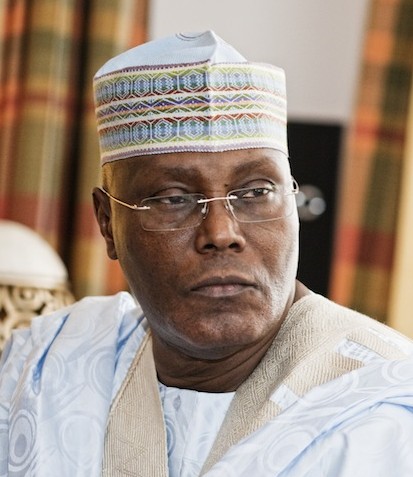
An All Progressives Congress chieftain in Kebbi State, Aminullah Mustapha, has criticised former Vice President Atiku Abubakar over his proposal to reinstate fuel subsidy if elected president.
Mustapha, who previously contested for the House of Representatives ticket under the African Democratic Congress, made his position known in a statement issued to journalists in Birnin Kebbi on Sunday.
He alleged that the former subsidy regime was plagued by financial mismanagement and the diversion of public funds, including payments made to some oil marketers for petroleum products that were allegedly never supplied.
“During the subsidy regime, a lot of funds allocated to oil marketers were not going to the designated areas. Funds were allocated to bogus marketers to transport oil tankers, but they ended up collecting the money without transporting any oil,” he alleged.
The APC chieftain also claimed that some petroleum tankers funded through the subsidy programme were diverted to neighbouring Niger Republic and Benin Republic, resulting in other countries benefiting from resources intended to subsidise fuel for Nigerians.
“Some oil tankers which were paid for under the subsidy regime ended up in neighbouring countries such as Niger and Benin Republic. This means other countries were benefiting from the subsidy that was meant for Nigerians,” he said.
Mustapha further alleged that certain depot owners collected funds for imported petroleum products without subsequently bringing the products into the country. According to him, some of the payments were allegedly made even before the products arrived in Nigeria.
He described President Bola Tinubu’s decision to remove the fuel subsidy as a necessary step towards tackling what he called corruption and inefficiencies embedded in the former system.
“President Tinubu was courageous and honest with Nigerians by removing the subsidy. Many Nigerian leaders, including Atiku Abubakar, know that the subsidy regime was marred by corruption,” he said.
Mustapha called on Nigerians to carefully examine proposals aimed at bringing back fuel subsidy, urging them to consider the possible consequences of such a policy on government finances and the wider economy.