Japan has introduced stricter drone regulations, widening restricted airspace around important facilities as part of strengthened counterterrorism efforts, according to local media reports on Wednesday.
Under the revised rules, no-fly zones around sensitive locations have been expanded from approximately 300 meters (984 feet) to about 1,000 meters (3,280 feet). The updated restrictions cover areas surrounding major sites such as the Imperial Palace, the prime minister’s office and the US Embassy in Tokyo, with some zones stretching beyond one kilometer based on local geographical conditions, Kyodo News reported.
Operators who fly drones within designated “yellow zones” could face legal consequences, including up to six months in prison or fines reaching 500,000 yen ($3,120).
Previously, authorities enforced immediate penalties mainly when drones were flown directly over protected “red zone” facilities.
The new regulations also give officials the authority to introduce temporary drone bans during major events involving the emperor, the prime minister or visiting foreign dignitaries.
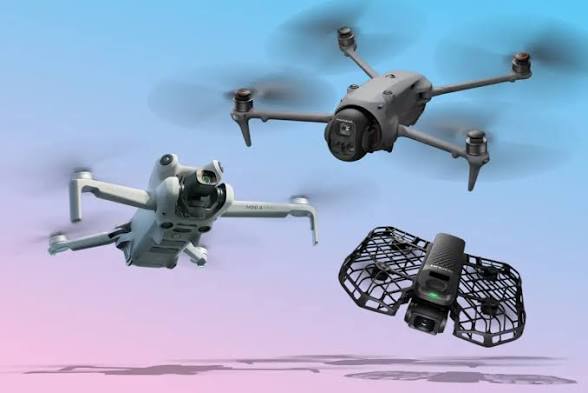
The policy change follows rapid developments in drone technology, as newer devices become faster and capable of operating across longer distances, increasing concerns over potential security threats.
To support enforcement and public awareness, the government plans to release updated restricted-area information through official online maps and collaborate with retailers to educate users about the new requirements.