The United States has intervened in Japan’s currency market for the first time in more than a decade, joining Tokyo in a rare coordinated effort to strengthen the yen after it dropped to a 40-year low against the US dollar.
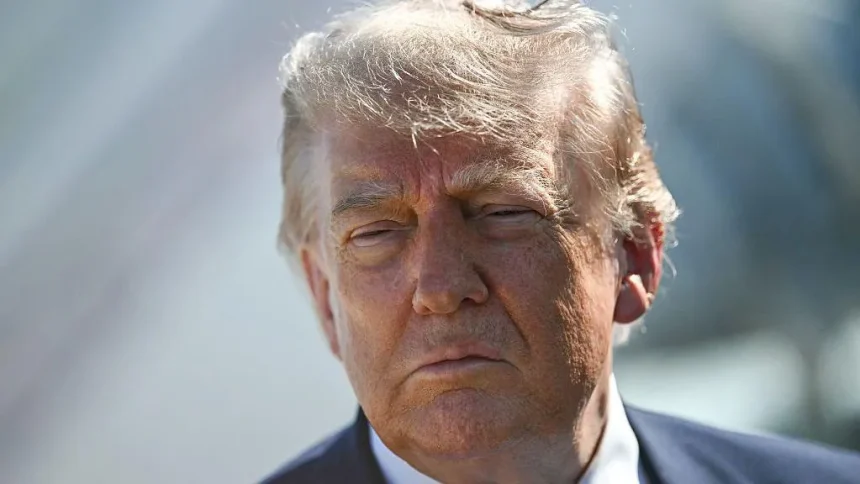
US President Donald Trump confirmed the move, describing it as a gesture of support for Japan, a key American ally.
“They have a weakening yen, and they wanted a little bit of help. And we’re always there for Japan,” Trump told reporters aboard Air Force One.
The intervention took place on Friday as Washington and Tokyo sought to curb the yen’s prolonged decline, which has been intensified by rising energy prices linked to the Iran war. Japan’s Finance Minister Satsuki Katayama said the action was aimed at limiting excessive market volatility and preventing disorderly movements in the currency.
The Financial Times reported that the Federal Reserve Bank of New York sold euros and bought yen on behalf of the US Treasury Department during the operation.
US Treasury Secretary Scott Bessent said Washington remained prepared to work with Japan on further measures if necessary. He said the Treasury strongly supported Japan’s efforts to address what he described as the yen’s significant undervaluation.
The planned intervention also gained attention after a Reuters photograph from a cabinet meeting at Camp David showed Bessent’s handwritten notes containing an instruction to “Buy Japanese Yen (JPY) $5-10 bil.”
The yen has struggled for years due to Japan’s prolonged low-interest-rate policy. After decades of weak economic growth and deflation, Japan kept borrowing costs near zero and, at times, below zero to encourage spending and investment. Although the Bank of Japan raised rates in 2024, they remain far below levels in the United States and other major economies.
The wide interest-rate gap has encouraged investors to borrow yen and invest in higher-yielding currencies, increasing pressure on Japan’s currency. Analysts also point to Japanese companies’ large overseas investments and the retention of foreign earnings abroad as factors contributing to the yen’s weakness.
Japan’s heavy dependence on imported fuel and food has made the situation more difficult. Higher global energy prices have increased import costs, worsened the country’s trade balance and added to inflationary pressures.
Economist Sayuri Shirai of Keio University said rising oil and gas prices have reduced consumers’ purchasing power and slowed economic recovery, making it harder for the yen to regain strength.
Despite the intervention, analysts remain uncertain about whether the move can change the yen’s longer-term direction. The Bank of Japan previously stepped into the currency market in April, but the impact was short-lived as the yen resumed its decline.
Shusuke Yamada, Japan’s chief foreign exchange and interest rate strategist at Bank of America Securities, said interventions typically provide only temporary relief. Barclays also warned that while US involvement could have a stronger immediate effect, structural economic pressures continue to weigh on the currency.
The joint action reflects growing concern in both countries over the wider economic effects of currency instability, including inflation, trade competitiveness and global financial conditions.