Iran’s state television announced on Saturday that funeral ceremonies for former Supreme Leader, Ayatollah Ali Khamenei, will be held in July, while diplomatic efforts to formally end the conflict between Iran, Israel and the United States appear to be nearing a breakthrough.
According to the broadcaster, the funeral, burial and farewell ceremonies for Khamenei are scheduled to take place from July 4 to July 9, coinciding with Muharram, a significant period of mourning in the Shiite Muslim calendar.
Khamenei was killed during the opening strike of the war launched by Israel and the United States against Iran in late February. Leadership of the Islamic Republic has since passed to his son, Mojtaba Khamenei, who is widely viewed as holding a more hardline position.
Speaking on the ongoing negotiations, Iranian Foreign Ministry spokesperson Esmaeil Baghaei said the proposed Islamabad memorandum is focused solely on ending the conflict. He stated that “at this stage, it has been decided that there will be no discussion of the nuclear issue.”
Iran’s nuclear activities and stockpile of highly enriched uranium have remained a major source of friction with both Washington and Tel Aviv, while also drawing sustained concern from the international community.
Three regional officials familiar with the talks said on Friday that a signing ceremony could take place within days, provided authorities in both Tehran and Washington grant final approval to the agreement. The officials requested anonymity due to the sensitive nature of the negotiations.
Momentum toward a deal increased after Iran exchanged fire with U.S. and Israeli forces earlier this week, raising fears that the fragile ceasefire could collapse and trigger a broader regional conflict.
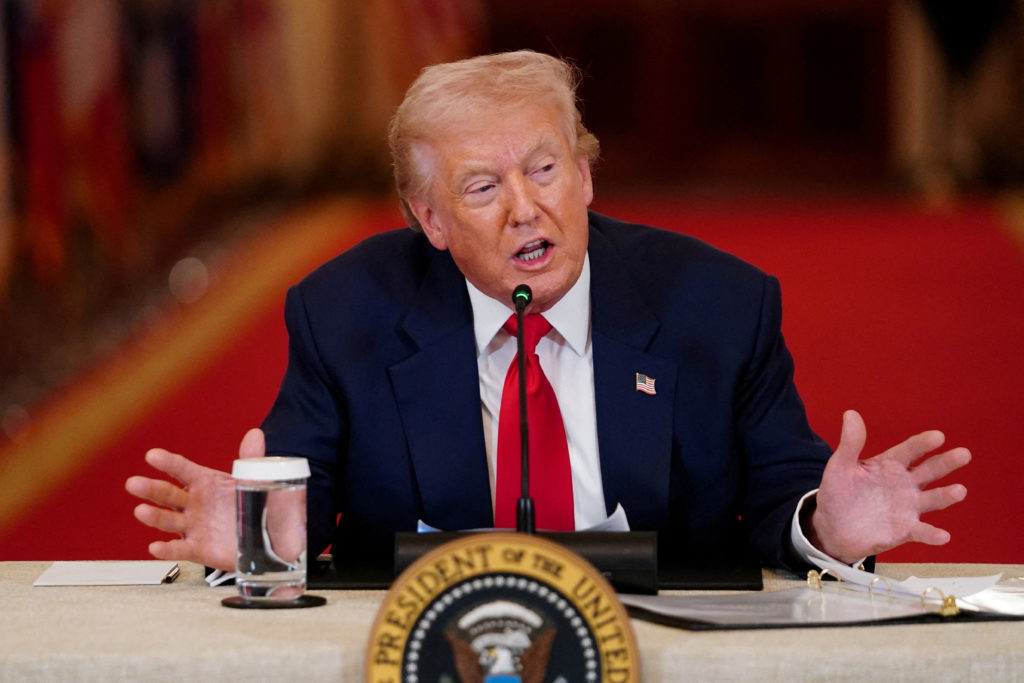
Iranian Foreign Minister Abbas Araghchi signaled optimism on Friday, writing on X that an agreement “has never been closer.” His comments were amplified by U.S. President Donald Trump, who shared the message on social media after repeatedly asserting in recent weeks that a deal was within reach.
Trump also claimed on Thursday that negotiations had made substantial progress, despite earlier issuing a threat to take control of Iran’s oil sector.
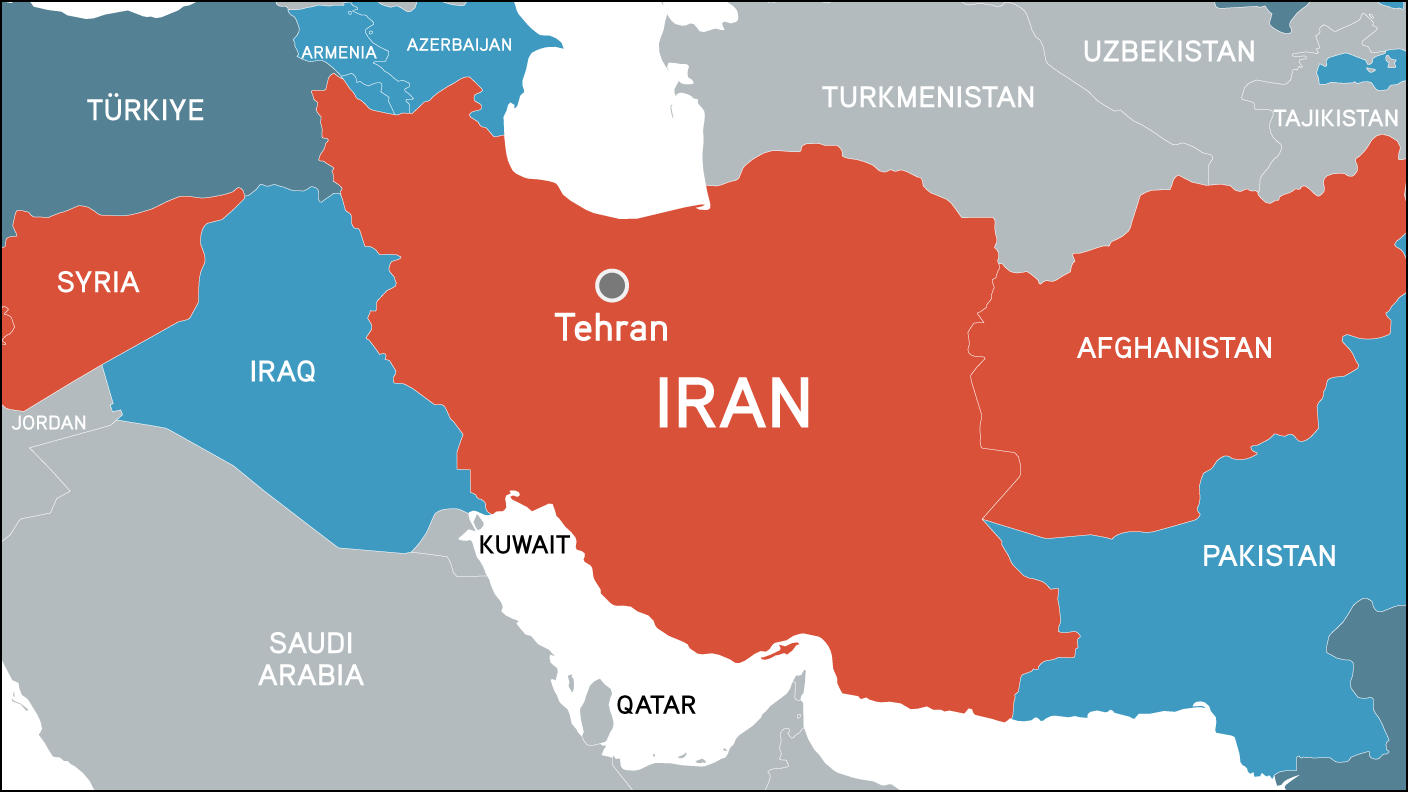
The conflict has had far-reaching consequences across the Middle East. In response to military attacks, Iran tightened its control over the Strait of Hormuz, severely disrupting oil and natural gas exports from the Persian Gulf. Meanwhile, the United States imposed a blockade on Iranian ports. A ceasefire has remained in effect since April 7.
Funeral proceedings for Khamenei are expected to begin in Tehran before moving to Qom, a major center of Shiite religious authority, and later to Mashhad, the city where he was born. He is set to be buried at the Imam Reza Shrine, regarded as the holiest site in Shiite Islam.
The funerals of Khamenei’s daughter and son-in-law, who were also killed in the February attack, will be conducted on the same day.
After succeeding Ayatollah Ruhollah Khomeini in 1989, Khamenei reshaped the Islamic Republic and consolidated clerical authority. Khomeini, the architect of Iran’s 1979 revolution, led the overthrow of the shah and established governance under Shiite clerics.
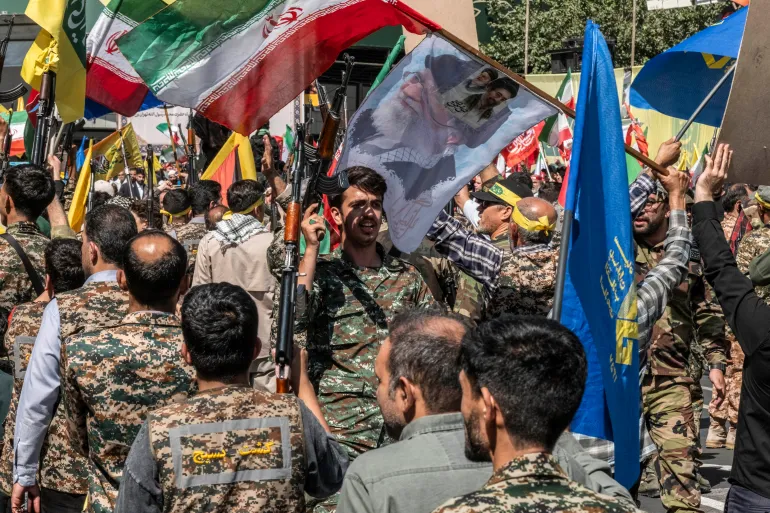
Serving far longer than his predecessor, Khamenei expanded the influence of the Shiite clerical establishment and transformed the Revolutionary Guard into the central pillar of the state. Under his leadership, the force evolved into both a powerful military institution and a major economic player, overseeing Iran’s elite military units and ballistic missile program.