The Independent National Electoral Commission has declared its readiness for the 2027 general elections, assuring Nigerians that it is committed to conducting free, inclusive, credible and transparent polls.
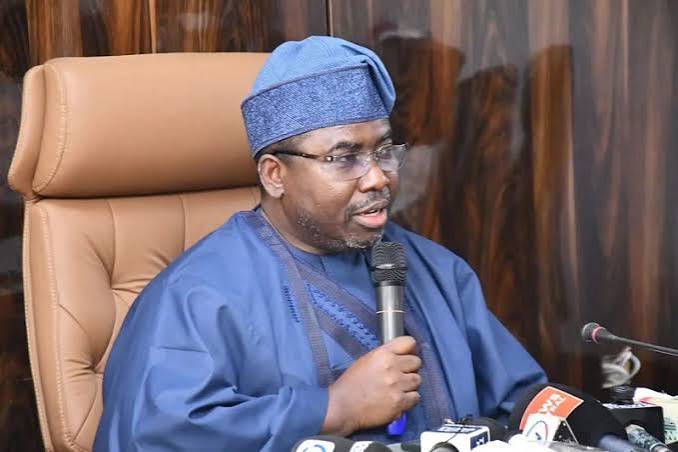
INEC Chairman, Professor Joash Amupitan, gave the assurance while monitoring Saturday’s mock election in Plateau State, where he expressed satisfaction with the turnout of voters and the conduct of the exercise.
Amupitan said the mock election was designed to test the functionality of the Bimodal Voter Accreditation System and the INEC Result Viewing Portal, as well as assess the efficiency of the accreditation process ahead of the 2027 general elections.
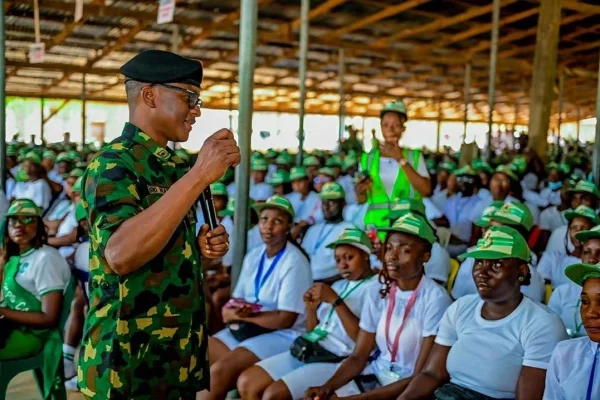
He commended voters for their orderly conduct, expressing delight at seeing an elderly woman turn out for the exercise and successfully undergo accreditation.
“You can see yourself that the turnout is very good. What we are trying to test is actually the working of the machines, which are the BVAS and the IReV, and voters are being accredited. You can see how orderly it is going. From what we have seen, I am impressed,” he said.
The INEC chairman acknowledged the support of the Plateau State Independent Electoral Commission in mobilising residents for the exercise but noted that the environmental sanitation exercise earlier scheduled for Saturday may have affected early participation, as some residents had indicated they would be unable to come out in time.
On the commission’s preparedness for the 2027 elections, Amupitan said INEC was determined to deliver one of the best elections in the country’s history.
“For the 2027 general elections, INEC is prepared, and I want to assure all Nigerians that we are going to have one of the best elections. We are determined that the 2027 election will be free, inclusive, credible and transparent,” he stated.
Addressing concerns over the security situation in the country, the INEC chairman said the commission was working with relevant security agencies to ensure the protection of voters and electoral personnel during the forthcoming elections.
He disclosed that INEC recently convened a one-day national security conference where stakeholders deliberated on security challenges and measures to safeguard the electoral process.
Amupitan further revealed that the commission had conducted a risk assessment of polling units across the country, with identified locations shared with law enforcement agencies to enable them to strengthen security arrangements ahead of the elections.
“We have done what we call a risk assessment of all the polling units in Nigeria, and we have identified all the polling units and shared them with the law enforcement agencies so that they can make extra preparations ahead of the elections,” he said.
He stressed that the safety of voters, ad hoc staff and regular INEC personnel remained a major priority, noting that the commission was taking steps to address security concerns ahead of the 2027 general elections.
The mock election, held in Plateau State on Saturday, November 28, 2026, was part of INEC’s preparations for the 2027 general elections. It was designed to test the functionality of the BVAS and IReV systems, which are central to the commission’s efforts to ensure transparent accreditation and result transmission.
The exercise followed an earlier mock accreditation in November, where INEC tested its systems across the country. The commission has repeatedly emphasised that the mock elections are not about predicting voter behaviour but about identifying technical and logistical challenges before the main elections.
Amupitan’s visit to Plateau State came amid ongoing scrutiny of INEC’s preparedness, particularly following controversies surrounding the voter register and the commission’s handling of the 2023 general elections.
The INEC chairman’s remarks on security reflect growing concerns about the safety of voters and electoral personnel ahead of the 2027 elections.
In recent months, political violence has escalated across the country, with attacks on campaign convoys, party offices and supporters. The police have reported incidents in Abuja, Edo, Delta and Sokoto states, prompting the Senate to call for the disqualification of candidates whose supporters are found to have instigated violence.