Ghanaian authorities on Wednesday began repatriating the first batch of citizens who volunteered to return home from South Africa amid growing concerns over anti-immigration protests in the country.
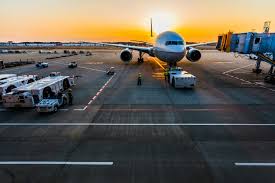
Dozens of buses arranged by the Ghanaian embassy were seen transporting passengers to Johannesburg’s OR Tambo International Airport at about 03:00 local time (01:00 GMT), according to BBC.
The group included men, women, and children of different ages.
A smaller number of passengers arrived separately in a police van and were isolated from the main group while under police supervision.
The repatriation exercise comes after recent demonstrations against illegal immigration spread across several South African cities, raising fears of renewed xenophobic violence.
Embassy officials and airport personnel registered all passengers before departure.
According to Ghanaian authorities, about 300 people were expected to depart on Wednesday morning, while the remaining registered citizens were still undergoing screening ahead of later flights.
Most passengers declined to speak with journalists. However, a Ghanaian identified as Rudolph, who has operated a salon in South Africa for a decade, said the protests influenced his decision to leave.
“It’s not comfortable for us to stay here anymore, so we have to go. I think we will find peace at home,” he said.
An estimated 25,000 Ghanaians are believed to be residing in South Africa.
Protesters in the country have argued that undocumented migrants are placing pressure on public services and have urged the government to strengthen immigration enforcement.
The demonstrations were organised by a movement known as March and March, which describes itself as a citizen-led campaign advocating immigration reform.
The group has reportedly issued a 30 June deadline for undocumented migrants to leave South Africa. Rudolph expressed fears that the ultimatum could trigger violence.
“The protests started in Durban, and they’ve escalated to other provinces. So definitely something bad could happen.” He added that he had no intention of returning to South Africa.
Ghana’s High Commissioner to South Africa, Benjamin Quashie, told the BBC that the government acted out of concern for the safety and welfare of its citizens.
“The Ghanaian government listened to the plight of its citizens in South Africa, who felt that their lives were in danger, who felt like the economic activity that they were engaging in had come to a standstill, who felt unwelcome in this country, and it is the responsibility of every government to ensure that its citizens are taken care of both home and abroad.”
Responding to concerns about undocumented migration, Quashie said Ghana had developed reintegration plans for returning nationals.
“The government is willing to establish them into whatever business they were doing in South Africa. In a way, we’re also helping the South African economy, because it’s clear that some of them are undocumented. So taking them out of here will let them know that we are not people who condone undocumented people in countries.”
Some political analysts believe the renewed anti-migrant sentiment may be connected to South Africa’s local elections scheduled for November.
South Africa has experienced previous waves of xenophobic violence. In 2019, at least 12 people were killed in attacks linked to anti-foreigner unrest, while 62 foreign nationals lost their lives during similar violence in 2008.
Organisers of the latest protests, however, insist the demonstrations have remained peaceful.
Earlier this month, the South African government condemned criminal acts targeting foreigners while acknowledging the need to address illegal immigration.