





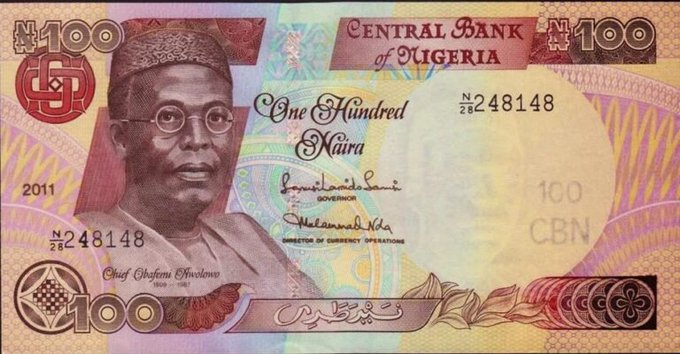
The Central Bank of Nigeria has attributed the scarcity of N100 and N200 notes to the increasing use of digital payment channels. Additionally, it is due to the declining purchasing power of lower naira denominations.
According to TheCable, CBN Governor Olayemi Cardoso gave the explanation on Tuesday after the Monetary Policy Committee meeting in Abuja.
Cardoso dismissed suggestions that the apex bank had withdrawn the affected notes from circulation. He stressed that they remained legal tender and should continue to be accepted for transactions.
“Yes, they remain legal tender. Unless the central bank states otherwise, Nigerians should assume that all existing denominations remain legal tender,” he said.
The CBN governor explained that the reduced availability of the notes reflected changes in demand and supply. These changes have occurred within Nigeria’s financial system.
He said the growing adoption of electronic transfers, mobile banking and other digital payment options had reduced Nigerians’ dependence on physical cash. Particularly, smaller denominations are affected.
“As to why there appear to be fewer of these notes in circulation, it is largely a matter of demand and supply. The financial ecosystem is evolving in the direction we want it to. There is now greater financial inclusion and increased digitisation,” Cardoso said.
“As more people adopt digital payment channels, the demand for coins and lower-denomination notes naturally declines. If there is less demand for them, there is less need to print and circulate them in large quantities.”
Cardoso also acknowledged that the depreciation of the naira had weakened the purchasing power of N100 and N200 notes. As a result, these notes are now less useful for everyday purchases.
“Of course, we must also acknowledge that currency devaluation has affected the purchasing power of lower-value notes. That is a reality,” he said.
“More importantly, however, as financial inclusion expands and digital payments become part of everyday life, fewer people will rely on these denominations.”
The comments followed growing concern among Nigerians over the difficulty of obtaining smaller naira notes. These notes are needed for transport fares, petty trading and other cash-based transactions.
The CBN had earlier clarified that both the standard and commemorative N100 notes remained valid. It also warned businesses and members of the public against rejecting them.
Cardoso also addressed Nigeria’s inflation outlook, saying the apex bank remained committed to achieving single-digit inflation despite external economic shocks.
He said Nigeria had recorded 11 consecutive months of disinflation before unexpected global developments slowed the progress being made.
“It is important to remember where we are coming from. We recorded 11 consecutive months of disinflation. From every indication, we expected that by early 2027 we would be where we wanted to be in terms of inflation. This would give us a path towards single-digit inflation,” he said.
“Unfortunately, we have experienced external shocks that were not anticipated and have lasted much longer than anyone expected.”
Cardoso also maintained that the value of the naira should be determined by market conditions. He said it should not be set by a fixed government target.
He said factors including oil exports, foreign investment, domestic productivity and import substitution would determine where the exchange rate eventually settled.
The CBN governor added that the foreign exchange market had become more transparent and liquid. He also said turnover exceeded $1bn on some trading days.