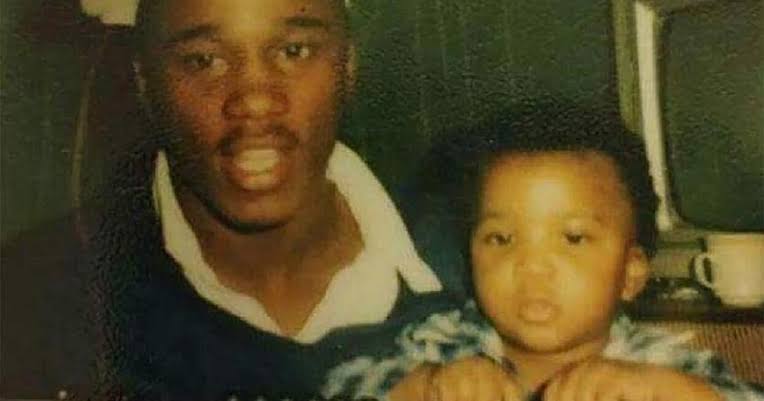
Robin “Rocky” Myers, a Black Alabama prisoner who spent more than three decades on death row, is fighting to overturn his murder conviction. He discovered that the court-appointed lawyer who represented him had previously defended the Ku Klux Klan. The case has sparked national attention, especially regarding the circumstances of the Rocky Myers conviction.
According to CNN, Myers was convicted in 1994 of murdering his neighbour, Ludie Mae Tucker. However, he has maintained throughout the case that he did not commit the crime.
A jury recommended that Myers receive life imprisonment without parole. Nevertheless, the trial judge overrode that recommendation and sentenced him to death under an Alabama practice that has since been abolished.
His death sentence was eventually commuted to life without parole by Alabama Governor Kay Ivey in 2025. She said there were enough questions surrounding his guilt that she could not allow his execution to proceed.
Myers pushes for complete freedom
Although the clemency spared Myers from execution, it did not overturn his conviction or allow him to leave prison. In fact, the Rocky Myers conviction remains a major obstacle to his release.
“I’ve been locked up in one cell for 31 years. I don’t want to be inside no more,” Myers told CNN.
His lawyers are now asking a court to vacate the conviction. They argue that problems surrounding his original defence and other aspects of the case make the verdict unreliable.
Myers’ son, LeAndrew Hood, has also questioned the quality of the representation his father received.
“He had a lawyer that didn’t care about him,” Hood said.
Lawyer previously represented Klan
Central to the latest challenge is the background of Myers’ former court-appointed lawyer, John Edmond Mays.
CNN reported that Mays had previously represented the United Klans of America in court cases during the 1970s and 1980s.
Archived newspaper reports cited by Myers’ current lawyers also place Mays at Klan rallies. Yet Mays denies that he was ever a member of the organisation. The Rocky Myers conviction is now under scrutiny due to these revelations.
Richard Jaffe, a lawyer and friend speaking with Mays’ permission, defended his decision to represent Myers. He said his previous work for the Klan did not mean he was racist.
Mays said through Jaffe that he accepted Myers’ case because of his opposition to capital punishment. He believed he could provide an effective defence.
Legal team questions fairness of trial
Myers’ present lawyers argue that the issue goes beyond Mays simply representing unpopular clients as an attorney.
They contend that his history raised serious questions about whether Myers, a Black defendant facing the death penalty, received fair and impartial representation.
The defence has also highlighted weaknesses it sees in the prosecution’s original case.
CNN reported that no DNA evidence tied Myers to the crime scene. The conviction relied largely on circumstantial evidence and witness testimony. His lawyers say one witness later recanted testimony. The outcome of the ongoing legal efforts could determine the fate of the Rocky Myers conviction.
State fights attempt to overturn conviction
Myers filed a petition in 2025 seeking to have his conviction vacated after receiving clemency.
The Morgan County District Attorney’s Office has opposed the request, arguing that his claims are legally time-barred and lack merit.
Prosecutors have also rejected the attempt to use Mays’ previous representation of the Klan as grounds for overturning the conviction.
The matter is now before a judge. Myers is left waiting to learn whether he will receive another opportunity to challenge the case that has kept him imprisoned for more than three decades.
For Myers, having escaped execution, the fight has shifted to securing what he says he has wanted all along — freedom.