The Black Sea has overtaken the Strait of Hormuz as the maritime corridor recording the highest number of attacks on commercial shipping, following a sharp escalation in military activities linked to the ongoing Russia-Ukraine war.
Security data and maritime reports show that attacks on vessels and port facilities across the Black Sea have intensified in 2026, raising concerns over the safety of seafarers, the stability of international shipping routes and the potential disruption of global trade.
More than 570 vessels have reportedly come under attack in the Black Sea, with at least 40 sailors killed. By comparison, about 24 fatalities have been recorded in the Strait of Hormuz, highlighting the growing dangers confronting maritime workers in both strategically important waterways.
The situation deteriorated significantly between July and September, when approximately 387 vessels were attacked in the Black Sea. The figure represents an increase of more than five times the number recorded in the preceding quarter, suggesting a substantial expansion in the scale of threats facing commercial shipping in the region.
The attacks have extended beyond ships to ports and other facilities supporting maritime transport and operations. The growing insecurity has heightened concerns among shipping operators, insurers and businesses that depend on the uninterrupted movement of goods through the region.
The increased threat has also placed upward pressure on war-risk insurance premiums, adding to the financial burden on vessels operating in high-risk waters. Higher insurance costs could translate into more expensive shipping services, with the potential consequences extending across international supply chains.
Ukraine’s grain and food exports are among the areas particularly vulnerable to disruptions in Black Sea shipping. Any sustained deterioration in maritime security could complicate the movement of agricultural commodities to international markets, potentially affecting supply availability and trade costs.
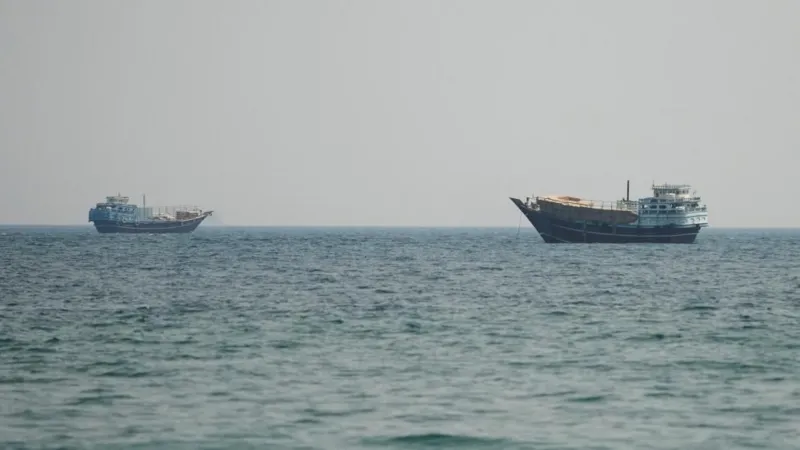
Despite the rising threat in the Black Sea, the Strait of Hormuz remains a critical passage for global energy supplies, serving as a major route for the transportation of crude oil, petroleum products and natural gas. Disruptions to shipping through the strait could trigger volatility in energy markets and create wider economic consequences.
The contrasting security challenges in the two waterways underscore the changing nature of risks confronting international maritime trade. While the Black Sea faces growing threats associated with the Russia-Ukraine conflict, the Strait of Hormuz retains its strategic significance because of its role in global energy transportation.
With attacks increasingly affecting vessels, crews and port infrastructure, the deteriorating security environment is placing additional pressure on the maritime industry to reassess routes, insurance arrangements and operational costs.
The developments also highlight the vulnerability of global supply chains to military conflicts, particularly when hostilities threaten shipping corridors essential to the movement of food, energy and other commodities across international markets.