Former Vice President Atiku Abubakar has criticised President Bola Tinubu for blaming opposition parties for Nigeria’s economic challenges, accusing the President of attempting to deflect responsibility for the consequences of his administration’s policies.
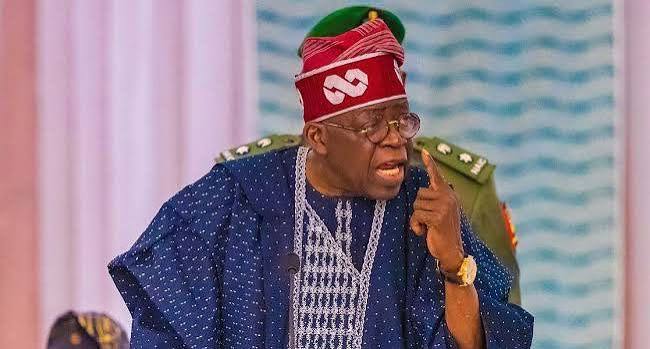
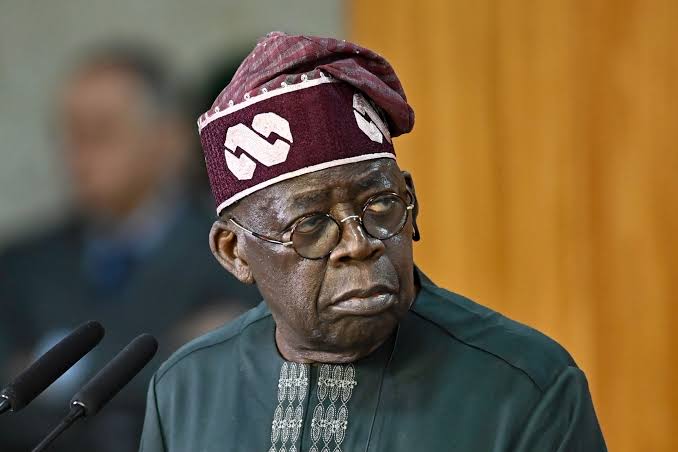
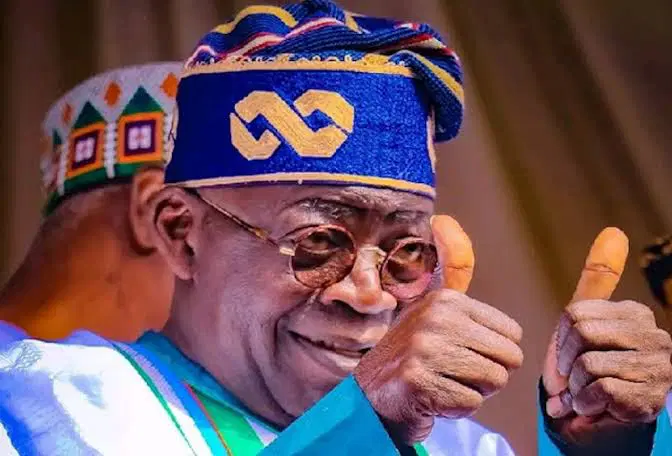
Tinubu had earlier on Saturday attributed the hunger and poverty affecting Nigerians to his political opponents while addressing supporters at the All Progressives Congress presidential campaign flag-off in Kaduna. “I hear my opponent talking about hunger, poverty. Who created it? They did! They created the hunger, they created the poverty. We are trying to eradicate it,” the President said.
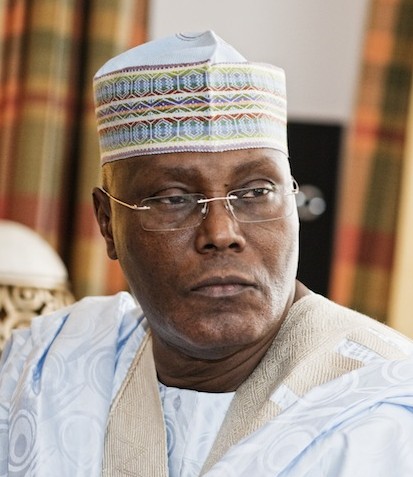
Reacting to the remarks, Atiku, the presidential candidate of the African Democratic Congress, argued that Nigerians had legitimate reasons to demand accountability from the ruling party over the rising cost of living, widespread poverty, insecurity and concerns about government expenditure.
In a statement released on Saturday by Phrank Shaibu, Director of Strategic Communication of the ADC Presidential Campaign Council, Atiku questioned Tinubu’s attempt to blame the opposition, noting that the APC had controlled the federal government for approximately 11 years.
“Mr President, blaming the opposition for hunger is either delusion or a staggering case of political amnesia. The APC governed Nigeria for eight years before you took office. You have added another three and a half years.
“Nigerians know who has been in power, and hardship did not begin when the opposition started talking about it. Stop insulting their intelligence and answer for your record,” the statement quoted him as saying.
Atiku maintained that the economic difficulties experienced by households and businesses across the country were directly linked to government decisions, insisting that the administration could not dismiss the effects of its policies by holding its political rivals responsible.
“The hardship your administration has brought upon Nigerians is real. You cannot deny it by blaming others,” he said.
The former vice president also criticised the President’s decision to inaugurate the Abuja-Kaduna Expressway from a stadium, arguing that the approach raised questions about the administration’s assessment of infrastructure development and the realities facing ordinary Nigerians.
“Your decision to commission the unfinished Abuja to Kaduna Expressway from inside a stadium shows how far removed you are from the daily reality of Nigerians. A road cannot be completed with a speech or a ribbon-cutting ceremony,” he said.
Turning to the economy, Atiku challenged the Federal Government to explain the impact of its major policy decisions, particularly the removal of the petrol subsidy and the significant depreciation of the naira against the United States dollar.
“Which administration removed the petrol subsidy and watched the naira fall from about ₦471 to ₦1,329 to the dollar?” Atiku asked.
He also drew attention to a World Bank projection indicating that 63 per cent of Nigerians would be living below the national poverty line in 2026, citing the figure as a further reason for the government to address concerns about the country’s economic direction.
Beyond the cost of living, Atiku raised questions about federal budget implementation and public spending, including the extension of the 2024 budget into 2025, the operation of a separate 2025 budget and expenditures reportedly associated with energy security.
He specifically questioned the ₦7.13tn recorded under “energy security” in 2024, alongside ₦11.2tn in pipeline-related spending by the Nigerian National Petroleum Company Limited. He called on the government to disclose who benefited from the funds and identify the outcomes achieved through the expenditure.
“Nigerians deserve to know who received these sums and what was delivered,” he said.
Atiku further demanded clarification regarding what he described as a $12.4bn shortfall in Nigeria’s external accounts during the first half of 2026. He also sought an explanation for the $22.5m reportedly paid in “other charges” associated with the Abu Dhabi financing facility.
The ADC presidential candidate argued that the government’s economic record could not be assessed separately from the country’s worsening security concerns. He questioned the administration’s response to continued killings, kidnappings and the displacement of residents in communities across Nigeria.
“These are the questions Nigerians are asking while your government blames the opposition,” he said.
Atiku insisted that the Tinubu administration should be assessed on its achievements and the effects of its decisions on citizens rather than on its explanations for the country’s difficulties. He maintained that the government must take responsibility for the consequences of its policies instead of blaming critics for highlighting the hardship.
“You cannot govern for three years, make life harder, and then blame others for describing the hardship. You asked who created the hunger. Nigerians are asking what you have done to end it.
“The 2027 presidential election will be a referendum on your record. Nigerians have felt the cost of your leadership in their homes, markets and communities,” he added.