The remains of a young woman buried centuries ago in Attard have provided archaeologists with a rare glimpse into the health and social status of Malta’s ancient inhabitants, according to the Superintendence of Cultural Heritage’s 2025 Annual Report.
The woman, estimated to have been between 25 and 31 years old at the time of her death, was discovered inside a rock-cut tomb near the Ħal Warda necropolis.
Although the burial has not yet been dated, researchers say the find is significant for the personal details it reveals about her life.
Archaeologists uncovered two ivory beads alongside the woman’s remains, believed to have formed part of a necklace. The presence of ivory suggests access to imported or high-value goods, offering clues about trade networks and social standing within the community.
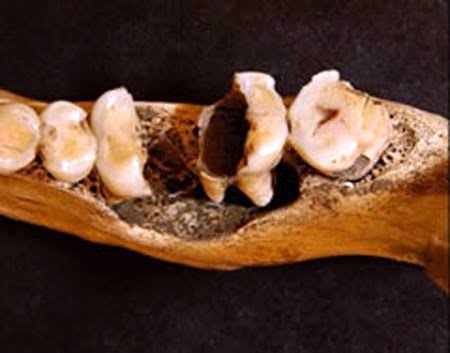
However, osteological analysis revealed a more intimate story. Examinations showed the woman suffered from dental abscesses and extensive tooth decay, conditions that would likely have caused considerable pain during her lifetime. The findings provide important evidence of the health challenges faced by past populations and offer insight into diet, living conditions and access to healthcare.
The burial was among several funerary discoveries documented by the SCH in 2025 as archaeologists identified or rediscovered 172 archaeological sites across Malta and Gozo through development monitoring and field investigations.
Officials said such discoveries continue to expand understanding of everyday life in ancient Malta, with human remains providing some of the most valuable information about the health, habits and social conditions of past communities.