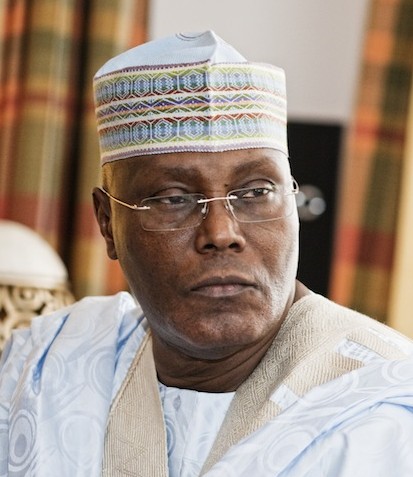
The African Democratic Congress has said its presidential candidate, Atiku Abubakar, stayed away from the signing of the National Peace Accord to protest what the party considers the failure of the initiative to adequately address electoral violence.
The party’s National Publicity Secretary, Bolaji Abdullahi, made the clarification on Friday while speaking on Channels Television’s Sunrise Daily.
According to Abdullahi, the ADC intentionally boycotted the event because similar agreements had been signed before past elections, yet the party believes little has been done when political violence subsequently occurred.
He said the National Peace Committee, which oversees the accord, should move beyond organising signing ceremonies and take stronger action against political actors whose conduct or statements could fuel violence.
“We’ve been signing this thing year in, year out; every election cycle, we sign in support of this commitment. Things still happen; people still get killed, harassed, like in the case of Osun, but we don’t hear the Peace Committee say anything,” Abdullahi said.
The ADC spokesman pointed to the violence associated with the recent Osun State governorship election, alleging that the committee failed to publicly address comments credited to Senator Francis Fadahunsi which, he said, had the potential to incite violence.
“When Senator Fadahunsi said that they should go out and kill people, we didn’t hear the Peace Committee say anything. So, what is the point? So, it’s our (ADC) way of saying no,” he said.
Abdullahi explained that the boycott was designed to push for a more meaningful peace process, particularly one capable of holding political actors responsible for inflammatory rhetoric and actions.
“If we want to be part of this, if you want to be taking us seriously, then you need to up your game,” he said.
He further faulted the perceived reluctance to challenge political statements that could worsen tensions during elections, irrespective of the individual or political office involved.
The ADC spokesman also referenced a statement attributed to President Bola Tinubu during the Osun election period, saying the Peace Committee should have publicly responded if it considered the remark capable of contributing to violence.
“When the President said all is fair in politics, he set the narrative for the violence that followed in the Osun election. We didn’t hear the Peace Committee say, ‘No, Mr President, that is not a good thing to say,’” Abdullahi said.
He stressed that the ADC supports efforts to ensure peaceful elections but wants the accord to be backed by practical mechanisms for enforcing the commitments made by political parties and their candidates.
“We are saying you need to do more. It’s not just to gather us for the ceremony of signing. If we commit to something, you have to be able to ask people to abide by it,” he said.