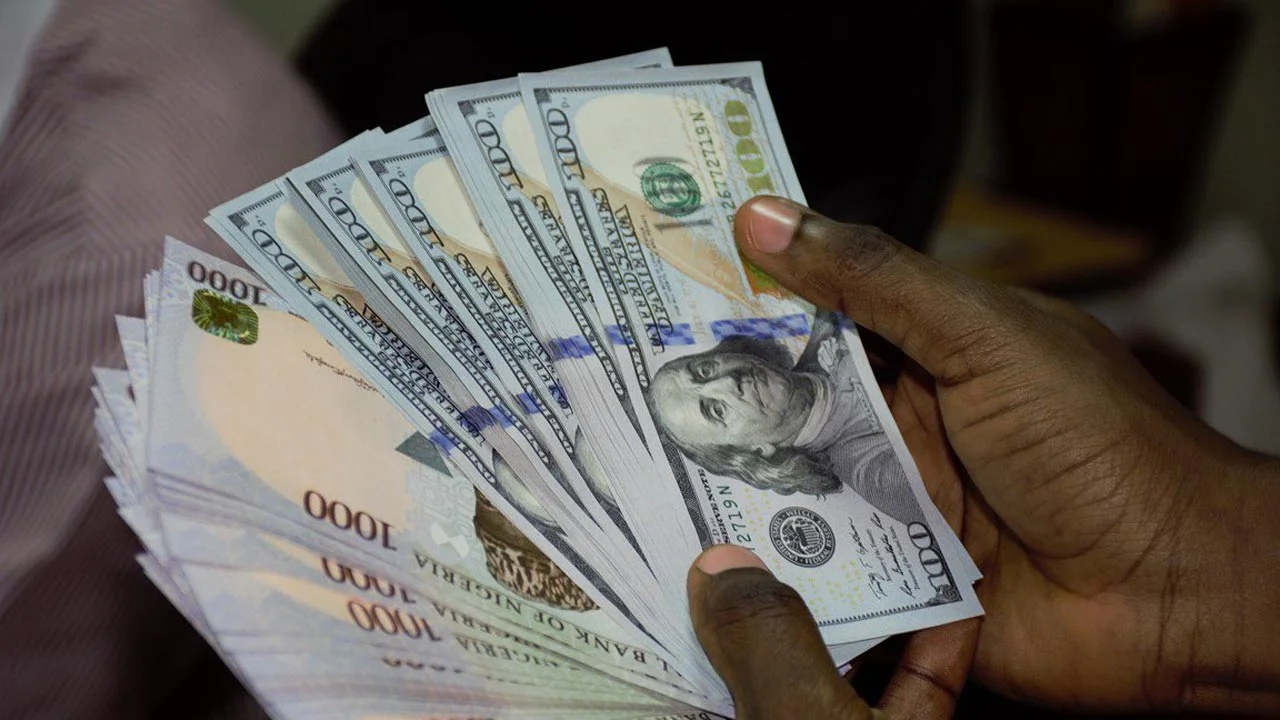
Nigeria’s foreign exchange reserves declined by $369m within four days, even as the naira strengthened by N19 against the United States dollar in the official foreign exchange market.
The figures show that the country’s external reserves fell from $54.358bn on Monday, November 23, to $53.989bn on Thursday, November 26, 2026.
The decline was reflected in data published by the Central Bank of Nigeria.
Reserves fall below $54bn
The reduction took Nigeria’s external reserves below the $54bn mark after a period of pressure on the country’s foreign currency position.
External reserves are used to support international payments, meet foreign currency obligations and provide a financial buffer against economic shocks.
The latest figures suggest that the country’s foreign exchange position remains under pressure despite improvements in the naira’s exchange rate.
However, movements in reserves can arise from different transactions, including government payments, foreign currency inflows and market interventions.
Naira strengthens at official market
While reserves declined, the naira appreciated to N1,378 per dollar on Thursday.
This represented a gain of N19 compared with the N1,397 per dollar recorded on Wednesday.
The improvement followed the CBN’s approval of increased dollar cash sales to Bureau De Change operators.
The measure was designed to improve foreign currency availability in the retail market.
Currency market remains under pressure
Nigeria’s foreign exchange market has experienced periods of volatility as businesses, importers and individuals seek access to dollars.
Changes in demand and supply can affect the exchange rate, while the central bank’s policies influence market liquidity.
The latest data illustrate how the naira can appreciate over a short period even while the country’s foreign reserves decline.
Analysts monitor both indicators because exchange rate movements alone do not provide a complete picture of the foreign exchange market’s financial position.
CBN seeks market stability
The Central Bank has repeatedly emphasised its commitment to exchange rate stability and the improvement of foreign currency liquidity.
The latest reserve figures will therefore attract attention as stakeholders assess the sustainability of the naira’s recovery.
However, the figures do not establish that the entire $369m decline was caused by the bank’s increased dollar sales to Bureau De Change operators.
Further data will be needed to establish the precise factors behind the reserve movement.