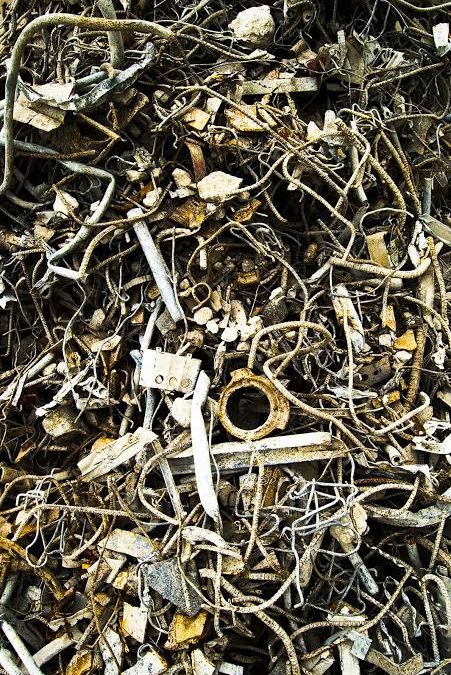
The Federal Government has intensified efforts to reform Nigeria’s scrap metal industry, warning that the unregulated acquisition and trading of metallic materials pose serious threats to public infrastructure, safety and the country’s economic development.
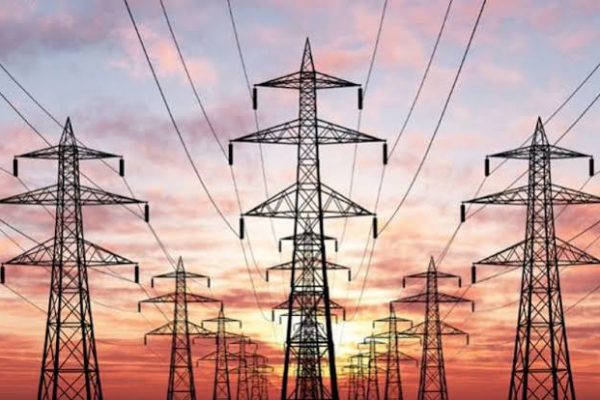
The government said the illegal removal of electrical cables, railway components, manhole covers and other metallic installations has far-reaching consequences, including disruption of essential services, increased infrastructure maintenance costs, safety risks and setbacks to national development.
The Minister of Steel Development, Prince Shuaibu Abubakar Audu, disclosed this on Tuesday during the second phase of the stakeholders’ engagement on the validation of the Draft Scrap Metal (Collection, Trading, Recycling and Regulation) Regulations Policy held in Kano.
Audu, who was represented by the Director of the Steel and Non-ferrous Metals Department in the ministry, Alhaji Umar Tsoho, said the proposed regulatory framework was part of the Federal Government’s broader strategy to sanitise the scrap metal sector, eliminate criminal activities and establish a transparent and sustainable industry.
Speaking on the theme, “Sustainable Scrap Metal Management through Effective Metallurgical Regulation: From Policy to Real Impact,” the minister described scrap metal as an important raw material for Nigeria’s industrial growth, particularly in steel production, foundry operations and other manufacturing activities. He noted that effective recovery and recycling of metallic materials would also create employment opportunities and promote a circular economy.
In a statement issued by the ministry’s Head of Press and Public Relations, Tine-Iulun, Audu explained that achieving a competitive steel industry would depend largely on developing a properly organised scrap metal value chain supported by legal sourcing, safe handling, accurate documentation and consistent supply to genuine industrial users.
He cautioned that the absence of effective regulation could expose both public and private infrastructure to increased theft, vandalism and unsafe dismantling practices, while also worsening environmental challenges and resulting in substantial economic losses.
According to him, the proposed regulations would introduce a comprehensive oversight mechanism covering the licensing and supervision of operators, collection and aggregation centres, transaction documentation and traceability. The framework would also address environmental protection, workplace safety, illegal trading activities, monitoring and enforcement.
The minister maintained that the government’s objective was not to frustrate legitimate businesses or deprive Nigerians who depend on scrap metal collection and trading of their means of livelihood. Rather, he said, the policy was intended to establish a well-regulated business environment that would protect genuine operators and ensure that criminal activities were dealt with appropriately.
He further advocated an inclusive regulatory arrangement that recognises the different categories of operators within the industry, particularly small-scale collectors and traders. Such operators, he said, should be provided with accessible formalisation procedures and compliance obligations that reflect the size and potential risks of their businesses, while larger recycling, processing and aggregation facilities would be required to meet higher operational standards.
On the growing threat of infrastructure vandalism, Audu expressed concern over the circulation of metallic materials illegally removed from public installations, industrial facilities and other protected infrastructure.
He said: “Theft of electrical cables, railway components, manhole covers and other metallic installations disrupts essential public services, compromises public safety, increases maintenance costs and undermines national infrastructure development.”
The minister acknowledged the contributions of industry stakeholders and recalled that the first phase of the consultation took place in Lagos between 9 and 10 November 2026. Participants at the meeting reviewed key sections of the proposed regulations and made recommendations on licensing procedures, classification of operators, transaction traceability, collection and sorting facilities, environmental standards, occupational safety, security and enforcement mechanisms.
He observed that the recommendations generated during the Lagos session had provided important feedback for the ongoing review and improvement of the draft policy.
Audu said the Kano meeting was organised to expand the consultation beyond the initial engagement and accommodate perspectives from other regions, particularly stakeholders operating in Northern Nigeria. He explained that the wider consultation was necessary to ensure the proposed framework reflects the operational realities of the industry across the country and delivers practical, inclusive and nationally relevant regulations.
He urged participants to make detailed and constructive submissions, stressing that their contributions would help address potential implementation difficulties, improve the clarity of the proposed provisions and strengthen the overall effectiveness of the regulatory framework.
The minister assured stakeholders that recommendations from both the Lagos and Kano engagements would be carefully documented, assessed and harmonised during the next stage of the policy review, in line with existing legal provisions and the fundamental objectives of the initiative.
He also reiterated the ministry’s readiness to collaborate with relevant government agencies, industry associations, environmental regulators, security institutions and other stakeholders to ensure the successful implementation of the proposed regulations.
Audu called on participants to engage actively and professionally throughout the deliberations, noting that collective commitment and cooperation would be essential to building a sustainable scrap metal industry capable of supporting Nigeria’s steel and manufacturing ambitions.
He subsequently declared the second phase of the stakeholders’ engagement open, expressing confidence that the consultations would produce valuable recommendations towards establishing an effective regulatory system for scrap metal collection, trading and recycling in Nigeria.