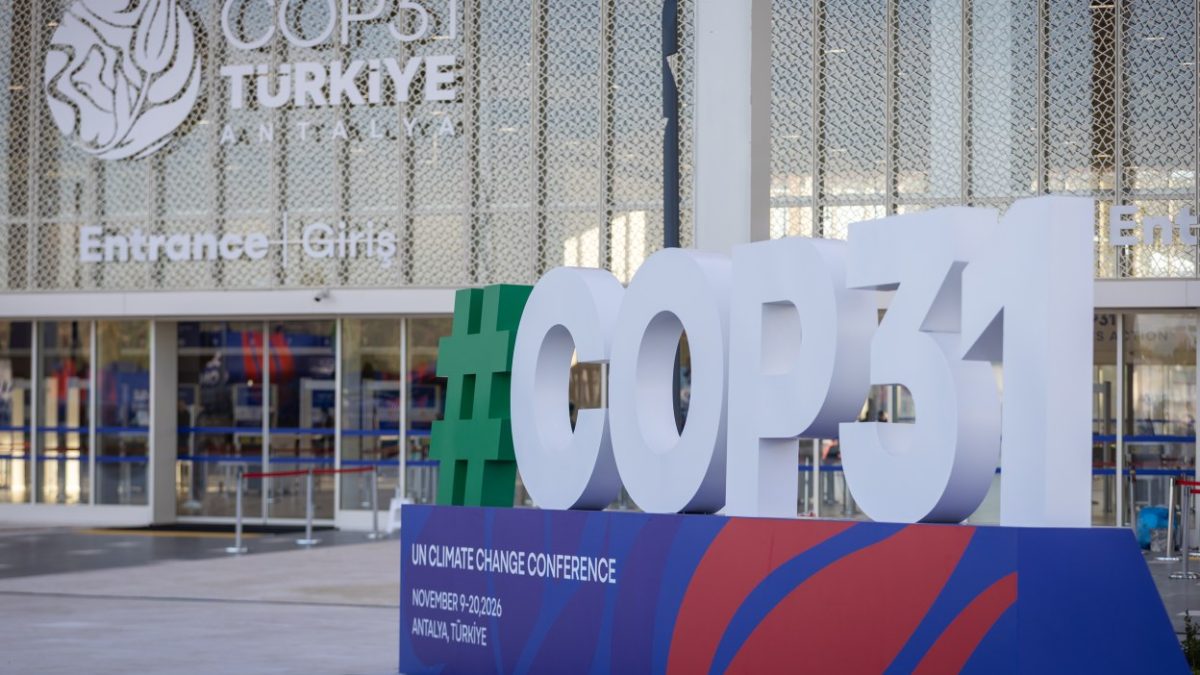
The United Nations climate summit in Antalya, Turkey, has ended without a major political agreement for the first time since the Copenhagen talks in 2009, after deep divisions over fossil fuels and money left developing nations, including Nigeria, without the financial commitments they had demanded.
The COP31 negotiations, which were due to finish on Friday, ran late into Sunday, becoming the longest UN climate conference in history. But the final deal proved unacceptable to the European Union, Pacific island nations and others because it failed to directly mention fossil fuels, the main cause of global warming.
Many poorer countries also objected to the absence of any clear financial commitments from richer nations to help them adapt to the impacts of rising temperatures.
Money for adaptation was a central sticking point. At COP30 in Brazil last year, nations agreed to triple finance for poorer countries to cope with the impacts of climate change, such as more intense heatwaves and severe droughts. But this year’s deal contained no reference to concrete figures, nor the baseline against which that pledge would be measured, raising fears it would give richer nations too much room to avoid their obligations.
“Rich nations and polluting governments cannot keep arriving empty-handed,” said Mohamed Adow of Power Shift Africa, an African climate and energy think tank.
The failure is particularly significant for Nigeria and other African countries, which are among the most vulnerable to climate impacts despite contributing the least to global emissions. African negotiators have consistently pushed for a clear, funded adaptation framework, arguing that the continent bears the brunt of extreme weather—from floods in the Niger Delta to drought in the Sahel—while receiving a fraction of the promised international support.
The final draft included no mention of fossil fuels. The only indirect reference to coal, oil and gas was a nod to the COP28 deal in 2023, when countries agreed to “transition away” from fossil fuels in energy systems.
A first draft on Monday mentioned “fossil fuel” or “fossil fuels” six times, but that was unacceptable to oil-producing nations. Saudi Arabia’s delegate, Mohammad Ayoub, argued that Arab countries only accounted for a small proportion of historical greenhouse gas emissions. Russia warned against “turning to slogans” and said moving away too quickly would lead to “fuel poverty.”
The EU’s representative, Irish Minister Darragh O’Brien, said the bloc “strongly” objected, adding: “It is unconscionable that we would have a climate pact that makes no mention of fossil fuels.”
Former US Vice-President Al Gore described it as “outrageous that a handful of petro-states have veto power over any mention of fossil fuels,” adding that the COP process was “in need of significant reform.”
UN Secretary-General Antonio Guterres, attending his last COP before stepping down, said he was “deeply disappointed.” He took aim at what he called “powerful fossil fuel interests,” accusing them of taking “a page from Big Tobacco’s playbook: distorting the science, delaying policy, blocking action, and piling up huge profits while people everywhere pay the price.”
Australian Prime Minister Anthony Albanese, whose country co-hosted the talks, attributed the failure to “difficult geopolitical times.”
The collapse raises questions about the future of the multilateral climate process at a time when Africa’s financing needs are growing. The UK’s Energy Secretary, Miatta Fahnbulleh, called the failure “immensely disappointing,” while UN climate chief Simon Stiell said he would seek advice on potential reforms to the consensus-based process.
Stiell acknowledged the process “fell short” but insisted it had delivered before. “It must do so again,” he told delegates.
For Nigeria, the outcome means the wait for promised adaptation finance continues. While some agreements were reached in Antalya—including progress on a “just transition mechanism” to support workers and communities as economies shift to clean energy, and more than 80 countries backing a Turkish target to increase the share of global energy use met by electricity to 35% by 2035—the core financial and fossil fuel questions remain unresolved.
The next conference, COP32, is scheduled for November 2027 in Ethiopia, where African nations are expected to renew their push for concrete financial commitments and a clear pathway away from fossil fuels.