Filmmaker Robert Eggers has expressed a desire to step away from the horror genre temporarily, suggesting that he is ready to explore different creative territory after establishing himself as one of contemporary cinema’s prominent voices in gothic horror.
During a question-and-answer session in Mexico, the director discussed his growing interest in moving beyond the dark, atmospheric storytelling that has defined much of his filmmaking career. Eggers, whose acclaimed credits include The Witch (2015), The Lighthouse (2019) and Nosferatu (2024), admitted that he does not want to become permanently associated with a single filmmaking identity.
“I’m eager not to continue purposely doing Robert Eggers’ House of Horror,” he said.
He further explained that although he has not completely ruled out revisiting some of cinema’s most recognisable horror properties, he believes taking a break from the genre could be beneficial.
“I don’t need to do The Mummy or The Phantom of the Opera. Not to say that I won’t, but I think I need a break.”
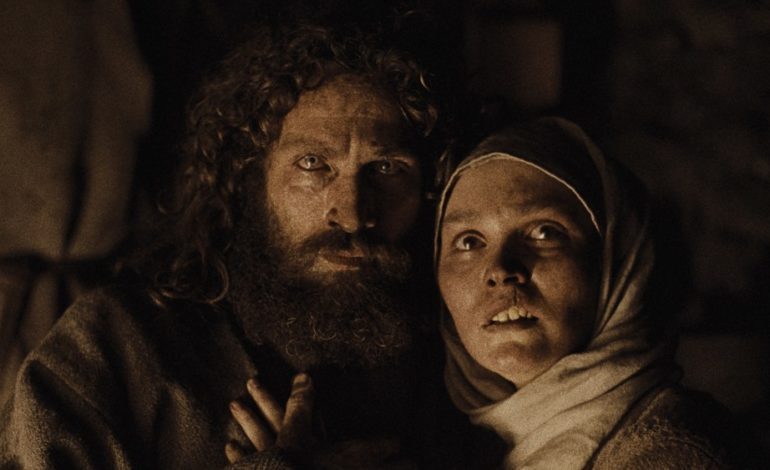
The filmmaker’s remarks arrive ahead of the release of his next project, Werwulf, which sees him return to the gothic horror territory that has become synonymous with his work. Set in 14th-century England, the upcoming film centres on a man whose family and village face a terrifying threat from a mysterious creature.
The project features Aaron Taylor-Johnson in the lead role, alongside Lily-Rose Depp and Willem Dafoe. Its medieval setting and supernatural premise suggest another atmospheric production from the filmmaker, even as he considers broadening his creative horizons beyond horror.
Robert Eggers Weighs In on the ‘Elevated Horror’ Debate
Beyond discussing his future in the genre, Eggers also offered his perspective on the increasingly popular label ‘elevated horror’, which is often used to distinguish psychologically driven and thematically ambitious horror films from more conventional genre productions.
While acknowledging that horror has always accommodated intelligent and meaningful storytelling, he questioned whether the distinction itself represents an entirely new development.
“There’s always been horror movies that don’t suck, and there’s always been horror movies that are actually probing what darkness is in humankind, and even some of them that have been profound throughout the ages. But what you guys are talking about is something that I think really started with [2014’s] It Follows. Although Ti West was doing this kind of work before then.
Eggers subsequently suggested that the growing prominence of this category has much to do with filmmakers finding opportunities to tell deeply personal stories through established genre frameworks.
According to him, horror has provided an accessible route to financing for directors seeking to bring distinctive creative visions to the screen without abandoning their individual storytelling approaches.
“There’s been a whole lot of filmmakers that have wanted to make personal films, really talented filmmakers with unique voices, and have realized that they can get financing if they do it as a genre film. And I think that that’s kind of what this is: people who are telling personal stories with unique voices but are doing it through genre. Not to say that James Wan movies [Insidious, The Conjuring] haven’t worked. They’ve been great and also successful. There’s definitely a hunger for horror in general over the past 10 years. But does elevated horror exist? It does. It does because people say so.”
His comments highlight the evolving relationship between artistic ambition and commercial opportunities within the horror industry. Rather than viewing elevated horror as an entirely separate filmmaking category, Eggers appears to regard it as an extension of the genre’s longstanding ability to accommodate personal, challenging and thought-provoking narratives.
For now, however, the director’s immediate focus remains on Werwulf. Whether the project marks another chapter in his gothic horror filmmaking or precedes a significant change in direction remains to be seen.