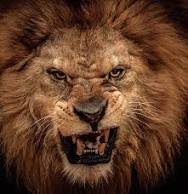
An animal welfare organisation has raised fresh concerns about the dangers of privately keeping wild animals following the death of a 19-year-old farm worker in a lion attack at a wildlife facility near Lahore, Pakistan.
The incident reportedly occurred after a lioness was taken out of its enclosure last week to feature in a social media video, according to animal welfare organisation, Four Paws.
The animal subsequently attacked the worker, killing him. Police later seized 33 lions from the premises following the fatal incident.
Four Paws said the latest tragedy was part of a disturbing pattern of incidents involving privately owned lions in Lahore. Since the summer of 2025, the animals have reportedly escaped from their enclosures and attacked people on three separate occasions.
Previous incidents included an attack on a woman and her children, injuries sustained by an eight-year-old girl and a case in which a child lost an arm.
Although authorities in Punjab introduced measures this year aimed at bringing private ownership of large carnivores to an end, the organisation said the breeding of lions and tigers, as well as their use in social media productions, remained a concern.
According to Four Paws, large wild animals are increasingly kept in residential properties, private gardens and breeding establishments across different parts of the world, often as symbols of wealth and social status.
The organisation also highlighted the treatment of young animals, explaining that lion and tiger cubs are frequently separated from their mothers, kept in restricted spaces and subsequently used in entertainment activities and online videos.
It warned that such conditions interfere with the animals’ natural behaviour, undermine their welfare and expose both humans and animals to potentially fatal consequences.
Four Paws further stressed that wild animals retain their natural instincts regardless of how they are raised or kept in captivity. Their unpredictable behaviour can therefore pose significant dangers, particularly when they are handled or used for entertainment.
The organisation has called on the public to reject the practice of keeping lions and other large wild animals as household pets or using them as attractions for social media content.